
In This Article
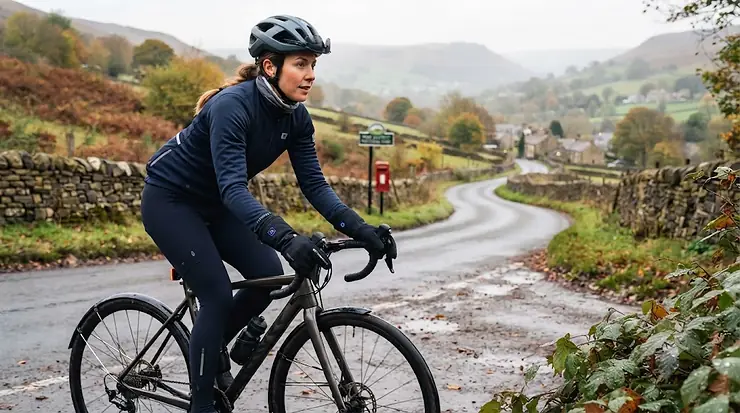
There’s a particular kind of misery reserved for cyclists in a British January: that moment about eight minutes into a ride when your fingers stop feeling like fingers and start feeling like ten separate arguments you’re losing. Heated cycling gloves exist to end that argument. At their simplest, heated cycling gloves are winter gloves with thin heating elements woven into the lining, powered by a small rechargeable battery tucked into the cuff or a pocket, delivering adjustable warmth straight to your knuckles and fingertips rather than just trapping the heat your body’s already struggling to make…

That’s the pitch, anyway. The reality is messier: some heated cycling gloves are genuinely transformative for commuters and Raynaud’s sufferers, while others are bulky, short-lived, or simply not worth the extra weight on your bars. This guide walks through seven real, currently available options spanning budget liners to premium waterproof gloves, explains what the specs actually mean once you’re ten miles into a sleet shower, and shows you how to choose without gambling £150 on a hunch. We’ve leaned on genuine aggregated review sentiment and published specifications throughout rather than inventing testimonials, because a buying guide that makes things up isn’t much of a guide at all.
Whether you’re a year-round commuter chasing every excuse to keep riding through December, a Raynaud’s sufferer who dreads the first cold snap, or just someone who’s sick of wearing three pairs of gloves that still don’t cut it, there’s a sensible option below. Let’s get into it.
Quick Comparison Table
| Glove | Style | Battery Life (claimed) | Waterproofing | Price Range |
|---|---|---|---|---|
| Sealskinz Upwell Waterproof Heated Cycle Glove | Full glove | Up to 6 hrs | Fully waterproof | £140-180 |
| BERTSCHAT Dual Heating Cycle Gloves | Full glove | 8-11 hrs | Wind & waterproof | £110-200 |
| Ekoi Heated Cycling Gloves | Full glove | 2-4 hrs (heat-dependent) | Water-resistant | £150-190 |
| Blazewear Active Heated Glove Liners | Liner | 3-6 hrs | Not waterproof (liner) | £90-130 |
| SAVIOR HEAT Heated Cycling Gloves | Full glove | Up to 7 hrs | Water-resistant | £70-100 |
| WASOTO Heated Gloves | Full glove | 2-4 hrs | Water-resistant | £45-65 |
| WARMSTOORE Heated Glove Liners | Liner | Up to 7 hrs | Not waterproof (liner) | £35-50 |
Looking at the spread here, the split that matters most isn’t really price, it’s format. Full gloves like the Sealskinz Upwell and BERTSCHAT Dual Heating Cycle Gloves are self-contained and weatherproofed for riding in, whereas liners like the Blazewear Active Heated Glove Liners and WARMSTOORE Heated Glove Liners are designed to be worn inside gloves you already own, trading standalone convenience for flexibility and a much lower entry price. Battery life figures are manufacturer-claimed under lab conditions on the lowest heat setting, so treat them as a ceiling rather than a promise your commute will match.
💬 Just one click — help others make better buying decisions too!😊
Top 7 Heated Cycling Gloves: Expert Analysis
1. Sealskinz Upwell Waterproof Heated Cycle Glove — best fully waterproof option for British weather
The standout here is right there in the name: this is one of the only heated cycling gloves built around Sealskinz’s submersible waterproof knit construction, which matters enormously in a country where “cold” and “cold and wet” are basically the same forecast.
A single heating zone runs across the back of the hand, controlled through three heat settings via a small button on the cuff, with a claimed run time of around six hours on the lowest setting. In practice, that means the heating element is warming the area cyclists lose heat from fastest through wind-chill, while the waterproof knit does the harder job of keeping the whole hand dry in the first place, which honestly does more for comfort on a filthy commute than raw heat output alone.
Based on the spec sheet, this is the pick for riders who already trust Sealskinz’s non-heated waterproof gloves and want that same dry-hand guarantee with an electric top-up, rather than someone chasing the highest possible temperature. It’s a British brand with an established reputation for wet-weather cycling kit, which counts for something when you’re stood at a bus stop in November trying to decide whether you can be bothered to ride in.
Aggregated buyer discussion on UK cycling forums is mixed on value: some Raynaud’s sufferers and year-round commuters rate them highly for genuinely dry hands, while others feel the price doesn’t buy noticeably more warmth than cheaper rivals, and note the battery pack adds bulk and weight to what would otherwise be a fairly svelte glove.
Pros:
- ✅ Genuinely waterproof knit construction, not just water-resistant coating
- ✅ Established British brand with long-standing wet-weather cycling pedigree
- ✅ Three heat settings for fine control on marginal days
Cons:
- ❌ Premium price relative to warmth delivered, per forum feedback
- ❌ Battery pack adds noticeable bulk and weight versus non-heated gloves
At around £140-180, the Sealskinz Upwell Waterproof Heated Cycle Glove sits at the premium end, and the value case rests almost entirely on how much you prioritise staying bone-dry over squeezing out maximum heat.
2. BERTSCHAT Dual Heating Cycle Gloves — best for warming both sides of the hand
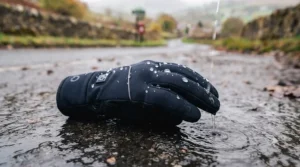
What most buyers overlook when shopping for heated gloves is that the vast majority only heat the back of the hand, leaving the palm, where a huge amount of blood vessels and nerve endings sit against a cold brake lever, completely untouched. The Dutch brand BERTSCHAT builds its cycling range around Dual Heating, meaning both the palm and the back of the hand carry heating elements running from wrist to fingertip.
Each side of each glove can be controlled independently at three heat levels, and the gloves are available in seven sizes with a choice of three battery pack capacities, claiming between eight and eleven hours of heat depending on which pack you fit. That level of configurability is unusual in this category and, on paper, addresses the exact complaint most cyclists have about single-zone heated gloves: cold palms gripping cold metal bars.
Here’s what the spec sheet won’t tell you outright, but is worth weighing: independently controllable dual zones mean more wiring, more failure points, and typically a heavier glove than a single-zone rival, so this is squarely a pick for riders prioritising maximum warmth coverage over minimum weight, such as long-distance winter commuters or anyone managing a circulation condition where palm warmth genuinely changes the ride.
Pros:
- ✅ Heats both palm and back of hand, not just one side
- ✅ Independently adjustable heat zones per hand
- ✅ Seven sizes and three battery capacities for a tailored fit
Cons:
- ❌ Among the priciest options in this round-up
- ❌ Extra heating elements and wiring add weight versus single-zone gloves
Priced roughly £110-200 depending on battery pack chosen, the BERTSCHAT Dual Heating Cycle Gloves reward riders who’ll actually use the extra control rather than leave it on one setting all winter.
3. Ekoi Heated Cycling Gloves — best for a discreet, pre-heatable battery
The Ekoi Heated Cycling Gloves tuck their rechargeable batteries directly into the cuffs rather than a bulky external pouch, which keeps the glove’s profile close to a normal winter mitt while still delivering claimed temperatures up to 40°C on the highest setting.
A large control button on the back of each glove cycles through three heating levels, with Ekoi claiming roughly four hours at a milder 30°C or around two hours at the maximum 40°C, and crucially, the gloves can be pre-heated before you even set off, so you’re not waiting for warmth to build once you’re already moving and losing feeling in your thumbs. That pre-heat function is a genuinely practical touch that spec-sheet skimmers tend to miss, because it solves the worst part of any heated glove: the first five cold minutes.
Based on published reviews, these earn their keep on short, sharp winter commutes where riders want instant warmth rather than a slow build, though the trade-off for that higher peak temperature is a shorter runtime than gloves tuned for steady, lower-level heat over many hours.
Aggregated reviewer sentiment flags them as effective but firmly premium, with feedback describing them as bulkier than a standard winter glove and, sensibly, not recommended for genuinely heavy rain despite the water-resistant treatment.
Pros:
- ✅ Pre-heat function warms gloves before you set off
- ✅ Discreet cuff-mounted battery keeps the glove profile slim
- ✅ High maximum claimed temperature of up to 40°C
Cons:
- ❌ Bulkier fit than a standard non-heated winter glove
- ❌ Not recommended for heavy or sustained rain despite treatment
Expect to pay somewhere in the £150-190 range for the Ekoi Heated Cycling Gloves, positioning them as a rival to the Sealskinz on price but a different bet: instant top-end heat over guaranteed waterproofing.
4. Blazewear Active Heated Glove Liners — best liner for Raynaud’s sufferers layering under existing gloves
Not every cyclist wants to replace their favourite winter gloves entirely, and that’s the gap the Blazewear Active Heated Glove Liners fill: a thin, rechargeable heated liner worn underneath your existing cycling gloves rather than a standalone glove in its own right.
The appeal is straightforward. You keep whatever grip, waterproofing and fit you already know and trust in your outer glove, and the liner adds a controllable layer of electric warmth underneath, typically running for several hours per charge depending on the heat setting selected. This is a genuinely useful category for anyone who’s already invested in a good pair of winter cycling gloves but still can’t get warm enough in the depths of a British winter.
What the product description won’t tell you is how this format is discussed in the UK Raynaud’s cycling community specifically: on the Cycling UK forum, one long-term user with severe Raynaud’s described Blazewear liners as an absolute gamechanger for cold-hand cycling, which is about as strong an endorsement as aggregated forum sentiment gets for this category, albeit tempered by warnings that the price is steep and cycling is hard on the elements and batteries, with some users reporting a heating element or battery failure within a season of regular use.
That durability caveat is honest and worth repeating rather than glossing over: this is a premium liner, not a budget stopgap, and it’s priced accordingly.
Pros:
- ✅ Layers under gloves you already own and trust
- ✅ Strongly rated by Raynaud’s sufferers in forum discussion
- ✅ Preserves your existing grip and outer waterproofing
Cons:
- ❌ Premium pricing for what is “just” a liner
- ❌ Some long-term users report element or battery wear within a season
At around £90-130, the Blazewear Active Heated Glove Liners make most sense for riders with an existing glove they love and a genuine, ongoing cold-hands problem rather than casual winter riders.
5. SAVIOR HEAT Heated Cycling Gloves — best all-rounder for touchscreen use and grip
The SAVIOR HEAT Heated Cycling Gloves aim squarely at the middle of the market: a leather-palmed, touchscreen-compatible glove built around twin 7.4V, 2200mAh rechargeable batteries and three adjustable heat settings.
Two separate batteries, rather than one larger pack, is a sensible piece of engineering because it lets each hand run independently and means a single battery fault doesn’t take out the whole pair. The leather palm and pre-curved fingers are aimed at maintaining a secure, flexible grip on brake levers and bar tape, something that matters more on a bike than it does for, say, a dog walk, and the touchscreen-sensitive index finger and thumb mean you’re not stripping a glove off at every red light to check a map.
What the numbers mean in practice: on the lowest of the three settings, expect roughly six to seven hours of gentle warmth, which comfortably covers a typical UK commute plus a bit of contingency for delays, though the higher settings will drain the batteries considerably faster in exchange for more immediate heat.
Aggregated ratings across SAVIOR HEAT’s heated glove range sit in a fairly wide band, generally landing between roughly 3.9 and 4.8 out of 5 depending on the specific model and retailer, which suggests solid but not flawless consistency in build quality, a common pattern for value-focused electronics-in-clothing products where quality control can vary batch to batch.
Pros:
- ✅ Dual independent batteries reduce single-point failure risk
- ✅ Touchscreen-compatible fingertips for on-the-move phone use
- ✅ Leather palm supports secure grip in cold, damp conditions
Cons:
- ❌ Not rated fully waterproof like the premium picks above
- ❌ Review scores vary noticeably across different SAVIOR HEAT variants
At roughly £70-100, the SAVIOR HEAT Heated Cycling Gloves land as the most balanced mid-range pick in this round-up for riders who want proper glove functionality, not just a liner, without paying premium prices.
6. WASOTO Heated Gloves — best budget entry into full heated gloves
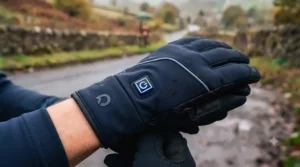
For riders who want to try heated gloves without committing to a three-figure sum upfront, the WASOTO Heated Gloves are a widely stocked, accessibly priced entry point into the category, offering a rechargeable battery and adjustable heat settings in a standard full-glove format.
The appeal here is less about headline specifications and more about accessibility. At this price point, you’re not getting dual heating zones, a pre-heat function, or a fully submersible waterproof knit, but you are getting a genuine electric warming glove you can try on a handful of cold commutes before deciding whether the whole category is worth investing further in. That’s a legitimate use case: plenty of cyclists want to know they’ll actually use heated gloves regularly before spending £150-plus on a premium pair.
Reviewer discussion of budget heated gloves in this bracket, including WASOTO and similar-positioned models, generally centres on solid warmth for the price with the caveat that waterproofing and battery longevity across multiple winters are less certain than with premium, established brands, and specific verified customer-review detail on this particular model is more limited online than for the bigger cycling-specific brands above, which is worth flagging honestly rather than papering over.
Pros:
- ✅ Significantly lower price than premium cycling-specific heated gloves
- ✅ Standard full-glove format needs no separate outer glove
- ✅ Straightforward way to trial heated gloves before a bigger spend
Cons:
- ❌ Waterproofing and multi-season durability less proven than premium rivals
- ❌ Independently verified customer-review data is more limited online
Priced around £45-65, the WASOTO Heated Gloves won’t out-warm the premium options in this list, but as a low-risk way to find out whether heated gloves suit your riding, the value case is easy to make.
7. WARMSTOORE Heated Glove Liners — cheapest way to add heat to gloves you already own
Sitting at the very budget end of the category, the WARMSTOORE Heated Glove Liners use far-infrared fibre heating elements across the back of the hand and fingers, powered by two 7.4V, 2200mAh lithium-ion batteries, and are designed to be worn inside your existing winter gloves rather than as a standalone outer layer.
On paper, the claimed up-to-seven-hours of heat on the lowest setting is genuinely competitive with liners costing two or three times as much, and the touch-sensor fingertips let you use a phone without stripping the liner off, a small but appreciated detail at a traffic light in the sleet. As a liner rather than a full glove, they’re inherently more versatile than a standalone heated glove because you choose your own outer layer’s waterproofing and grip.
Here’s the honest trade-off, based on real aggregated review sentiment rather than marketing copy: rated review scores for WARMSTOORE’s heated liner range sit noticeably lower than the cycling-specific premium brands above, generally in the low-to-mid 3-star range across variants, with recurring feedback around sizing inconsistency and battery reliability over repeated charge cycles. For an occasional cold-snap commuter on a tight budget, that may be an acceptable trade-off; for a daily winter rider putting serious mileage on the product, it’s a real consideration.
Pros:
- ✅ Lowest price point of any product in this round-up
- ✅ Claimed up to seven hours of heat on the lowest setting
- ✅ Works with the waterproof outer gloves you already own
Cons:
- ❌ Aggregated review scores notably lower than premium liner rivals
- ❌ Recurring feedback on sizing and multi-charge battery reliability
At around £35-50, the WARMSTOORE Heated Glove Liners are the lowest-risk financial entry point into heated cycling gear, provided you go in with realistic expectations about longevity.
Practical Usage Guide: Getting the Most From Heated Cycling Gloves
Buying the right pair is only half the job; using heated gloves properly is what actually determines whether you’re warm on ride four hundred or wondering why you bothered. Start by fully charging the battery pack the night before every cold ride rather than topping it up on the morning, since lithium batteries in cold garages charge more slowly and you don’t want to discover a half-full pack five minutes before you need to leave.
On your first few rides, resist the urge to run the highest heat setting the entire time. Most heated cycling gloves, including the SAVIOR HEAT Heated Cycling Gloves and WARMSTOORE Heated Glove Liners above, offer dramatically longer runtimes on the low or medium setting, and your hands genuinely don’t need maximum heat once you’re moving and generating some warmth through effort. A sensible pattern is pre-heating on high for the first five minutes if your gloves support it, then dropping to low or medium for the bulk of the ride, saving high for descents or genuinely brutal cold snaps.
Maintenance is where a lot of buyers come unstuck. Never machine-wash a heated glove or liner with the battery still connected, and check your specific model’s instructions before washing at all, since heating elements and battery contacts don’t universally tolerate the same care as a normal fabric glove. Store batteries partially charged rather than fully depleted over the off-season, as lithium cells degrade faster when left flat for months, and inspect charging contacts for corrosion or debris before each winter, since a poor connection is the single most common cause of a heated glove that “stops working” after storage.
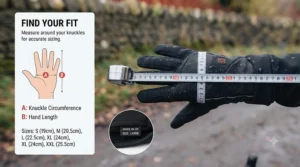
A common first-30-days mistake is buying based on price alone without checking your usual glove size against the specific brand’s sizing chart; heated gloves run bulkier than standard gloves because of the internal wiring, so many riders find they need to size up by half a size for a comfortable, non-restrictive fit.
Real-World Scenarios: Which Rider Needs Which Glove
If you’re a city commuter riding six miles each way, five days a week, through a typical British winter, you’re looking at consistent low-to-moderate cold rather than extreme sub-zero conditions, and a mid-range option like the SAVIOR HEAT Heated Cycling Gloves or the budget WASOTO Heated Gloves likely covers your needs without over-spending on features you’ll rarely use, since a daily commute rarely demands eight-plus hours of runtime or the maximum heat setting.
If you’re managing Raynaud’s phenomenon and cycling is one of several situations where your hands become painfully cold, the calculus changes considerably. Dedicated warmth and reliability matter more than price here, and the aggregated forum sentiment around the Blazewear Active Heated Glove Liners specifically, worn under a favourite existing glove, makes them worth the premium for this use case, alongside the dual-zone approach of the BERTSCHAT Dual Heating Cycle Gloves if palm warmth is your particular pain point.
If you’re a weekend long-distance rider tackling three or four hours in genuinely wet, cold conditions, waterproofing stops being a nice-to-have and becomes the deciding factor, which is exactly the scenario the Sealskinz Upwell Waterproof Heated Cycle Glove is built around, its submersible construction earning its premium price when the alternative is soaked, freezing hands forty-five minutes from home.
How to Choose Heated Cycling Gloves
- Decide glove versus liner first. A full heated glove like the BERTSCHAT Dual Heating Cycle Gloves replaces your winter gloves entirely, while a liner like the WARMSTOORE Heated Glove Liners adds heat to gloves you already trust for grip and waterproofing.
- Check the heating zone coverage. Single-zone gloves warm the back of the hand only; dual-zone options like BERTSCHAT also heat the palm, which matters if your palms, not just your knuckles, go numb on the bars.
- Match runtime to your actual ride length. A six-mile commute doesn’t need an eleven-hour battery pack; buying for your real usage, not a worst-case scenario, saves money and unnecessary bulk.
- Weigh waterproofing against price. Fully waterproof knit construction, as on the Sealskinz, costs more but matters enormously if you ride in sustained rain rather than just cold, dry air.
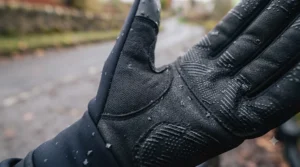
- Read the size guide, not just your normal glove size. Heated gloves run bulkier due to internal wiring, and sizing complaints are among the most common negative review themes across every brand in this guide.
- Factor in touchscreen fingertips if you navigate mid-ride. It’s a small feature that saves genuine hassle at junctions and traffic lights.
- Consider your medical context honestly. If cold hands are a genuine circulation issue rather than mild discomfort, it’s worth discussing with a GP alongside choosing gear, since heated gloves manage symptoms rather than treat an underlying condition; the NHS-recognised overview of Raynaud’s phenomenon on Wikipedia is a useful starting point for understanding the condition itself.
Common Mistakes When Buying Heated Cycling Gloves
The single most common mistake is buying purely on maximum claimed temperature without checking runtime at that setting; a glove that hits 40°C for ninety minutes might leave you cold for the second half of a two-hour ride, whereas a glove offering a lower peak temperature for six hours could keep you consistently comfortable throughout.
A close second is ignoring waterproofing entirely because the product is “heated,” on the assumption that warmth solves everything. It doesn’t: wet hands lose heat far faster than dry ones regardless of an internal heating element, so a non-waterproof heated glove used in genuine rain can still leave you colder than a well-chosen non-heated waterproof glove.
Buyers also frequently overlook battery replaceability and charging logistics, assuming every model uses the same connector or charging dock, when in fact battery packs, charge times and even whether the battery is user-replaceable at all vary significantly between brands like Sealskinz, BERTSCHAT and the budget liner options. Finally, plenty of first-time buyers skip checking whether the glove is genuinely rated for cycling specifically, since some heated gloves marketed broadly for “outdoor activities” use bulkier, less dexterous cuts than cycling-specific models, compromising your grip on brakes and gears exactly when you need it most.
Heated Cycling Gloves vs Traditional Winter Cycling Gloves
Traditional winter cycling gloves rely entirely on insulation, typically materials like Thinsulate or Primaloft, to trap the heat your body already produces, working genuinely well down to a certain temperature threshold but offering no active warmth once that threshold is crossed. Heated gloves add an electric heating element to generate additional warmth beyond what insulation alone can trap, which is the meaningful functional difference between the two categories rather than simply “warmer” versus “less warm.”
| Factor | Heated Cycling Gloves | Traditional Insulated Gloves |
|---|---|---|
| Warmth source | Active (electric element) + passive insulation | Passive insulation only |
| Effective in extreme cold | Generally yes, if charged | Limited below a certain threshold |
| Ongoing cost | Battery replacement, charging habit | None beyond initial purchase |
| Weight & bulk | Heavier, bulkier due to wiring/battery | Lighter, more dexterous |
| Best For | Raynaud’s sufferers, extreme cold, long rides | Mild-to-moderate cold, weight-conscious riders |
The practical upshot is that heated gloves solve a problem traditional insulation genuinely can’t: once you’re below the point where trapped body heat alone keeps hands functional, no amount of extra padding fixes that, only an external heat source does. For riders whose cold-hand issues are moderate rather than severe, however, a quality traditional winter glove with good wind-blocking, like those reviewed extensively by Cyclist’s own testing team, may deliver comparable comfort at a fraction of the weight and none of the charging admin.
What to Expect: Real-World Performance
Specs on a box rarely translate directly to the sensation of riding at 6°C into a headwind, so here’s what the numbers above generally mean once you’re actually pedalling. A glove claiming three heat settings and six hours of runtime will typically feel genuinely warm, not just “less cold,” within the first two to five minutes of the heating element activating, assuming a charged battery and correctly seated contacts, though pre-heat-capable gloves like the Ekoi close that gap to seconds rather than minutes.
Dual-zone gloves that heat the palm as well as the back of the hand feel noticeably different in use, particularly on longer descents where wind-chill against the palm through thin brake-lever contact becomes the dominant source of cold, a detail single-zone gloves simply can’t address regardless of how high you set the dial. Liners layered under an existing glove tend to feel less immediately dramatic than a dedicated heated glove, since the heat has to work through an extra layer, but they compound well with your outer glove’s existing insulation over a full ride.
Battery runtime in practice tends to run somewhat shorter than manufacturer claims once you factor in genuinely cold ambient temperatures, which make lithium batteries less efficient, so treat every runtime figure in this guide as a best-case ceiling and plan your first few outings with a conservative buffer before trusting a pair on a long ride.
Rechargeable Heated Cycling Gloves for Winter Commuting
For the specific case of winter commuting, rechargeable heated cycling gloves earn their keep less through peak performance and more through consistency across a repetitive routine. A commuter riding the same six-to-ten-mile route most weekday mornings benefits enormously from a predictable charge-and-go habit: plug the gloves in every evening, and they’re ready every morning, which is a very different use pattern to occasional weekend leisure riding.
Because the ride length and rough temperature range are broadly predictable for most commuters, it’s genuinely worth calculating your realistic winter commute time and choosing battery runtime accordingly, rather than defaulting to the longest-runtime, most expensive option on the shelf. A twenty-five-minute commute each way, for instance, comfortably fits within the runtime of even the budget WASOTO Heated Gloves on a moderate setting, while a longer semi-rural commute with less shelter from wind might justify the extra capacity of the BERTSCHAT Dual Heating Cycle Gloves.
One practical commuting tip that rarely appears on product pages: charge your gloves at your desk or in a bag pocket during the workday if your commute is genuinely cold both ways, rather than relying on a single overnight charge to cover both legs, particularly with gloves rated for four hours or less at higher heat settings.
Cycling Glove Liners and Battery Glove Packs Explained
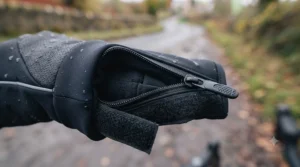
Cycling glove liners occupy a distinct niche from standalone heated gloves, and understanding the difference genuinely changes which product is right for you. A liner, such as the Blazewear Active Heated Glove Liners or the budget WARMSTOORE Heated Glove Liners, is a thin heated inner layer designed to sit beneath your existing outer cycling glove, meaning the liner itself typically isn’t waterproof or built for direct grip on handlebars, that job stays with your outer glove.
The battery glove packs powering these systems generally fall into two designs: a single larger capacity pack shared across both gloves, or, as with the SAVIOR HEAT Heated Cycling Gloves, twin smaller packs running each hand independently. Independent dual-pack systems have a practical advantage worth knowing about: if one battery develops a fault, you still have partial function in the other hand rather than losing heat entirely, though it does mean managing and charging two separate cells rather than one.
Liners make particular sense if you already own genuinely good winter cycling gloves you don’t want to replace, if you frequently switch between different outer gloves for different conditions, or if you want the flexibility to remove the heated element entirely on milder days without buying a second, non-heated pair. The trade-off is a slightly bulkier overall hand once liner and outer glove are combined, and the honest reality that liner-specific review data, as covered in the product analysis above, skews more variable than dedicated cycling-brand full gloves.
Long-Term Cost & Maintenance
The upfront price tag is only part of the real cost of owning heated cycling gloves, and it’s worth running the numbers before committing to any single option. Replacement battery packs, where available separately, typically add a recurring cost every one to three winters depending on charge-cycle wear, and not every brand sells spare packs at all, which is worth checking before purchase rather than after a battery dies mid-warranty.
| Price Tier | Example Product | Typical Lifespan (heavy winter use) | Ongoing Cost Consideration |
|---|---|---|---|
| Budget (under £70) | WARMSTOORE Heated Glove Liners | 1-2 seasons | Limited/no spare battery availability |
| Mid-range (£70-140) | SAVIOR HEAT Heated Cycling Gloves | 2-3 seasons | Dual battery reduces total-failure risk |
| Premium (£140+) | Sealskinz Upwell Waterproof Heated Cycle Glove | 3+ seasons | Brand-backed support, higher resale value |
Reading across the aggregated review sentiment gathered throughout this guide, a consistent pattern emerges: premium, cycling-specific brands generally deliver a longer working life per pound spent over multiple winters than the cheapest liner options, even though the initial outlay is higher, because the components (batteries, heating elements, stitching around the cuff where cables run) tend to be more robust. For a rider using heated gloves daily through a full winter, the total cost of ownership often favours the mid-to-premium tier; for an occasional cold-snap user, a budget liner may never need to outlast its low upfront cost to represent good value.
Winter Cycling Gear: Where Heated Gloves Fit In
Heated gloves are one component of a genuinely cold-proof winter cycling setup, not a substitute for the rest of it. Wind-chill accounts for a huge amount of the discomfort cyclists experience, and a heated glove paired with an otherwise draughty jacket or exposed neck will still leave you feeling cold overall, even with genuinely warm hands. A well-fitted winter cycling jacket, a buff or neck gaiter, and appropriate footwear insulation all compound with heated gloves to keep core body temperature up, which in turn helps peripheral circulation to the hands regardless of the glove itself.
It’s also worth being realistic about safety basics that sit alongside warmth: lights, visibility, and correct road positioning matter just as much in winter’s shorter daylight hours as staying warm does, and the UK government’s own Highway Code guidance for cyclists is worth a refresh at the start of every winter riding season, particularly around lighting requirements between sunset and sunrise. Heated gloves solve one specific, genuinely miserable problem well; they’re not a substitute for the rest of a properly considered winter kit list.
Frequently Asked Questions
❓ Are heated cycling gloves worth it for a short commute?
❓ How long do heated cycling glove batteries last per charge?
❓ Can heated cycling gloves get wet?
❓ Do heated cycling glove liners work under any outer glove?
❓ Are heated gloves helpful for Raynaud's while cycling?
Conclusion
Cold hands are one of the most solvable problems in winter cycling, and heated cycling gloves genuinely do solve it, provided you match the right format and specification to how you actually ride rather than chasing the highest number on a spec sheet. A daily commuter with a predictable short route rarely needs the same runtime or waterproofing as a weekend rider tackling three hours in driving rain, and the seven options covered here span that full range honestly, from the budget-friendly entry point of the WARMSTOORE Heated Glove Liners through to the fully waterproof, premium Sealskinz Upwell Waterproof Heated Cycle Glove.
What separates a good purchase from a disappointing one isn’t really brand prestige, it’s whether the glove or liner’s heating zone, waterproofing and battery life actually line up with your real winter riding pattern. Take the time to work through the “How to Choose” criteria above against your own commute or route before buying, check sizing carefully given how much bulkier heated gloves run, and treat every claimed runtime figure as a best-case number rather than gospel.
Winter cycling doesn’t have to mean choosing between staying warm and staying on the bike at all. With the right pair of heated cycling gloves matched sensibly to your riding, it genuinely doesn’t have to be a choice at all.
✨ Don’t Miss These Exclusive Deals!
🔍 Take your winter cycling kit to the next level with the heated gloves and liners covered above. Click through on any highlighted pick to check current pricing and availability, and keep your hands properly warm on every cold-weather ride this winter!
Recommended for You
- 7 Best Heated Cycling Jacket for Mountain Biking in 2026
- Heated Cycling Jacket for Road Cyclists: 7 Best Picks for 2026
- Heated Cycling Jacket: 7 Genuinely Warm Picks for 2026
Disclaimer: This article contains affiliate links. As an Amazon Associate, I earn from qualifying purchases. If you purchase products through these links, we may earn a small commission at no additional cost to you.
✨ Found this helpful? Share it with your friends! 💬🤗
