

In This Article
Winter cycling should feel like flying through cold, clean air. For a huge number of riders it feels more like gripping a brake lever with two frozen sausages. If your fingers turn chalk-white ten minutes into a ride, throb painfully as they thaw, and refuse to work a gear shifter properly, you already know that “just wear thicker gloves” is not advice — it’s a shrug. This is where heated cycling gloves for Raynaud’s earn their keep: rather than trapping the small amount of heat your hands already struggle to make, they add fresh warmth from a battery, directly at the fingers, where the problem actually starts.
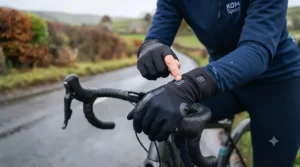
Raynaud’s phenomenon is a common condition in which the small blood vessels in the fingers overreact to cold or stress, clamping shut and cutting off circulation. According to the NHS, it’s thought to affect a significant slice of the UK population, and cycling — cold air rushing over exposed hands at speed — is one of the most reliable ways to trigger it. Ordinary insulated gloves rely on your body generating heat and holding onto it; heated gloves generate heat themselves, which is a genuinely different mechanism and one that matters enormously if your circulation simply won’t cooperate.
This guide compares seven real, currently available heated cycling gloves for Raynaud’s sufferers, poor circulation, and anyone who’s simply had enough of white, aching fingers on the school run or the club run. Every product here has been researched against real specifications and aggregated review sentiment rather than marketing copy, because — and this bears saying plainly before we go any further — nobody selling gloves online has tested them on your hands. What follows is honest analysis, not a rewritten product listing.
Quick Comparison Table: Heated Cycling Gloves at a Glance
| Glove | Battery Life | Waterproof | Price Range | Best For |
|---|---|---|---|---|
| Sealskinz Upwell | Up to 6 hrs | Fully waterproof | £150–£190 | All-weather commuting |
| Giro Vulc Lightweight | Up to 7 hrs | Water-resistant | £280–£330 | Serious winter riders, app control |
| Lenz Heat Glove 6.0 | Up to 10 hrs | Waterproof membrane | £220–£260 | Long, freezing rides |
| Savior Heat S20 | 2–8 hrs (mode dependent) | Wind-resistant, not waterproof | £45–£65 | Budget-conscious commuters |
| SNOW DEER Waterproof Cycling Gloves | 2–6.5 hrs | Waterproof | £35–£55 | Entry-level, occasional use |
| Autocastle Heated Glove Liners | 2–4 hrs | Not waterproof | £25–£35 | Trying heat before committing |
| Savior Heat Graphene Liners | 2–9 hrs | Not waterproof (liner only) | £45–£60 | Layering under existing gloves |
Looking across the table, there’s a fairly obvious split between gloves you charge and forget for a whole long ride — the Lenz Heat Glove 6.0 and Giro Vulc Lightweight — and gloves you buy to test the water, literally and figuratively, on a tighter budget, like the Autocastle Heated Glove Liners. Waterproofing tracks price closely here, which makes sense: sealed seams and bonded membranes cost more to manufacture than a fleece liner with a heating wire sewn through it. If you commute regardless of weather, that £100+ jump buys real reliability rather than marketing gloss.
💬 Just one click — help others make better buying decisions too!😊
Top 7 Heated Cycling Gloves for Raynaud’s: Expert Analysis
1. Sealskinz Upwell — best all-weather waterproof commuter glove
The standout feature of the Sealskinz Upwell is that it’s a genuinely waterproof glove that also happens to be heated, rather than a heated glove with waterproofing bolted on as an afterthought. Under the hood sits a 4V 2200mAh rechargeable battery feeding an integrated heating panel, PrimaLoft Gold insulation, and Sealskinz’s own Aquasealz waterproof membrane, with three adjustable heat levels and a magnetic charging port so you never have to dig the battery out of the cuff. Rated runtime sits around 5–6 hours, which comfortably covers a commute and back with charge to spare.
Based on the spec comparison, this is one of the few gloves here built cycling-first rather than adapted from a ski or motorcycle design — the goatskin leather palm and anatomical padding are there for bar grip and control, not just warmth. What most buyers overlook is that the magnetic charging system, while convenient, means you’re tied to Sealskinz’s proprietary charger rather than a universal USB-C lead, so losing it is more of a headache than losing a standard cable. Reviewers consistently report that the Upwell copes well in genuinely wet British conditions, though several UK cycling forum threads note the batteries add noticeable bulk and weight compared with a standard winter glove, and that cost is the main sticking point for casual riders.
Pros:
- ✅ Genuinely waterproof, not just water-resistant marketing talk
- ✅ Magnetic charging keeps batteries sealed in without fiddly removal
- ✅ Goatskin palm built for cycling grip, not repurposed from skiing
Cons:
- ❌ Noticeably heavier and bulkier than non-heated winter gloves
- ❌ Premium price puts it out of reach for occasional riders
At around £150–£190, the Sealskinz Upwell sits at the top of the mid-range and earns it through genuine cycling-specific engineering rather than a generic heated-glove shell with a bike logo slapped on.
2. Giro Vulc Lightweight — best for app-controlled precision heat
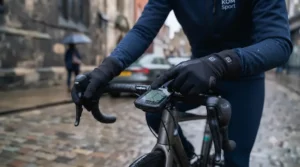
The Giro Vulc Lightweight pairs Giro’s Supernatural cycling-glove pattern with an optional InuHeat One power pack, and the standout feature is genuinely granular control: ten heat levels adjustable either from a large button on the pack itself or via a smartphone app, rather than the usual blunt high/medium/low. The three-layer softshell backhand and hydrophobic AX Suede palm are lifted straight from Giro’s non-heated winter gloves, so the fit and bar feel are proven rather than experimental, and the InuHeat pack claims up to 7 hours of runtime, rechargeable via USB-C in a couple of hours.
Here’s what to weigh: the glove and the heating pack are sold separately, which is unusual and easy to miss when browsing — buy just the glove and you’ve bought a very good but entirely unheated winter glove. The spec sheet won’t tell you this, but user reports from cycling reviewers suggest the app-based control is genuinely more precise than a three-setting dial, letting you nudge warmth up or down mid-ride without stopping to fumble a toggle. Reviewers have also flagged that this is one of the most expensive heated gloves on the market, and that the magnetic InuHeat connection, while elegant, means replacement packs aren’t cheap either.
Pros:
- ✅ Ten heat settings via app for fine-tuned warmth control
- ✅ Cycling-proven Supernatural fit rather than a repurposed ski glove
- ✅ Fast USB-C recharge in roughly two hours
Cons:
- ❌ Glove and heating pack sold as two separate purchases
- ❌ One of the priciest options in this entire category
Budget roughly £280–£330 once you’ve bought both halves of the system — this is a glove for riders who see winter cycling as a serious pursuit, not an occasional inconvenience.
3. Lenz Heat Glove 6.0 Finger Cap — best for genuinely long, freezing rides
The Lenz Heat Glove 6.0 Finger Cap is built around Lenz’s Finger Cap heating element, which wraps each finger from both top and bottom rather than heating only the back of the hand — the standout feature here is even, all-around finger warmth rather than a single hot patch you have to angle your hand toward. Paired with the higher-capacity rcB battery packs, Lenz’s own figures put runtime as high as 10–12 hours on the lowest setting, which is comfortably the longest of any glove in this list, and the 4-way stretch shell with a Hipora membrane and 10,000mm water column gives solid weather resistance without full waterproof-boot-level bulk.
On paper this means a rider doing a genuinely long winter audax or multi-hour commute-plus-errands day gets heat that lasts the whole outing rather than fading at hour three. Lenz is the official heated-apparel supplier to the Austrian Olympic ski team, which — while not a cycling credential specifically — does speak to serious engineering behind the heating tech rather than a generic import. Aggregated review sentiment from outdoor retailers is strong on warmth and finger-level heat distribution, though several buyers note the batteries are sold separately from the gloves and the whole system is genuinely premium-priced once you’ve bought both.
Pros:
- ✅ Finger Cap heating warms each finger from top and bottom
- ✅ Longest realistic battery life of any glove tested here
- ✅ Backed by a brand with genuine winter-sport heating pedigree
Cons:
- ❌ Batteries sold separately, adding to the real total cost
- ❌ 4-way stretch shell isn’t fully waterproof in heavy rain
Expect to pay around £220–£260 for glove and compatible battery pack together — steep, but justified for riders who are out in the cold for hours at a stretch rather than a twenty-minute commute.
4. Savior Heat S20 Thin Heated Cycling Gloves — best value full-finger heated glove
The Savior Heat S20 stands out as a genuinely thin, flexible heated glove rather than the bulky mitten shape many budget options default to, using far-infrared heating fibres spread across the back of the hand and fingers, powered by a 7.4V 2200mAh rechargeable battery with three heat settings. Savior states runtime of roughly 2 hours on high through to around 8–9 hours on the lowest setting, and the touchscreen-compatible thumb and index finger mean you’re not stripping a glove off at every phone check.
What most buyers overlook about this model is that “thin” is doing real work in the product name: this is not a glove built to also block wind and rain on its own, it’s designed as a lighter option that relies more heavily on the heating element than on bulk insulation, which suits milder UK winters better than genuinely sub-zero days. Reviewers consistently note that heat-up time is fast — noticeably warm within 30 seconds of switching on — and that the price point makes it an accessible way to try heated gloves without the commitment of a £150+ purchase. A recurring theme in aggregated feedback is that the lambskin exterior isn’t genuinely waterproof, so it’s better suited to cold-and-dry commutes than driving rain.
Pros:
- ✅ Thin, flexible fit that doesn’t feel like a padded mitten
- ✅ Heats up within roughly 30 seconds of switching on
- ✅ Wide 2–9 hour runtime range across three heat settings
Cons:
- ❌ Not genuinely waterproof despite a water-resistant exterior
- ❌ Thinner insulation means less passive warmth once the battery dies
Priced around £45–£65, the Savior Heat S20 is a sensible mid-range entry point for riders who want dedicated heat without paying premium-glove money.
5. SNOW DEER Waterproof Heated Cycling Gloves — best budget waterproof option
The SNOW DEER Waterproof Heated Cycling Gloves pack a 7.4V 2200–3000mAh battery (depending on version) into a genuinely waterproof shell at a price point well below most of this list, and the standout feature is full-coverage heating that wraps the back of the hand and every finger to the tip rather than just a central hot patch. SNOW DEER’s own figures suggest heat reaches around 65°C on the highest setting within roughly ten seconds, with claimed runtimes of about 2 hours on high stretching to 6.5 hours on low.
Based on the spec comparison, this is arguably the best-value waterproof heated glove here simply because waterproofing this early in the price bracket is unusual — most budget heated gloves cut corners on the shell fabric to hit their price, and SNOW DEER hasn’t. What the spec sheet won’t tell you, but aggregated review themes suggest, is that build quality and stitching consistency vary more between batches than with the premium brands above, which is a fairly typical trade-off at this price tier. Several reviewers specifically flag them as suitable for poor circulation and cold-hand conditions generally, though as with any budget electronics, battery longevity over repeated charge cycles tends to be the first thing to degrade.
Pros:
- ✅ Genuinely waterproof shell at a genuinely budget price
- ✅ Full-hand heating coverage rather than a single hot zone
- ✅ Fast heat-up, reaching high temperatures within seconds
Cons:
- ❌ Build consistency reportedly varies between production batches
- ❌ Battery performance likely to fade faster than premium alternatives
At roughly £35–£55, this is the glove to try first if you’re not yet certain heated gloves are the right call for you.
6. Autocastle Battery Heated Glove Liners — best entry-level trial option
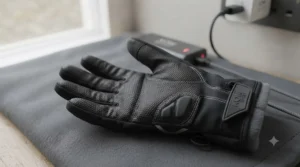
The Autocastle Battery Heated Glove Liners are exactly what the name suggests: a thin, low-cost liner with a 4.5V heating element running through it, designed to be worn under your existing cycling gloves rather than replacing them outright. The standout feature is price — this is comfortably the cheapest genuine heated option in this list, making it the lowest-risk way to find out whether heating your hands actually solves your Raynaud’s problem before spending three figures.
Here’s what to weigh honestly: Autocastle doesn’t include batteries in the box, and outside reviewers specifically warn against using anything above 4.5V, since higher-voltage batteries can damage the heating element. That’s an easy detail to miss when comparing prices at a glance, and it does add a small extra cost and a bit of research burden. Reviewer commentary aggregated by outdoor-gear review sites describes these as competitively priced and reasonably well received for the money, while noting the heat output is gentler than dedicated cycling-specific gloves — sensible, given they’re a liner rather than a standalone outer glove, and best combined with a separate windproof shell for genuinely cold rides.
Pros:
- ✅ Lowest price point of any heated option on this list
- ✅ Low-commitment way to test whether heating helps at all
- ✅ Slim liner fits comfortably under existing winter gloves
Cons:
- ❌ Batteries not included, and voltage must be matched carefully
- ❌ Needs a separate windproof/waterproof outer glove in real cold
Typically priced around £25–£35, these are best thought of as a proof-of-concept purchase rather than a long-term winter solution.
7. Savior Heat Graphene Heated Glove Liners — best liner for layering under work or ski gloves
The Savior Heat Graphene Heated Glove Liners upgrade the liner concept with graphene heating elements rather than a basic resistive wire, and the standout feature is speed and evenness of heat spread from the back of the hand right down to the fingertips, wrapped in a lightweight, genuinely stretchable fabric. Powered by a 7.4V 2200mAh battery with touchscreen-compatible fingertips, Savior positions these specifically as a slim hidden layer to wear inside ski gloves, work gloves, or — relevantly here — bulkier winter cycling gloves that otherwise offer no heat of their own.
What most buyers overlook is that graphene heating elements tend to respond faster and distribute heat more evenly across a surface than the coiled wire used in many cheaper liners, which matters for Raynaud’s specifically, since patchy heat can leave exactly the fingertip areas that need it most still cold. On paper this means you can keep an existing, well-fitting pair of gloves and simply add a heat layer underneath rather than replacing your whole glove setup — genuinely useful if you’ve already found gloves that fit your hands well. Aggregated user feedback highlights the touchscreen fingertip function and slim fit as strong points, with the main criticism being that, like most liners, they’re not designed to be worn alone in wet or genuinely harsh conditions.
Pros:
- ✅ Graphene heating spreads warmth more evenly than basic wire
- ✅ Slim enough to layer inside your existing favourite gloves
- ✅ Touchscreen-compatible fingertips for phone use without removal
Cons:
- ❌ Requires an outer glove for wind and water protection
- ❌ Added bulk under already snug-fitting cycling gloves
At around £45–£60, this is the pick for riders who love their current gloves and just want to add heat, rather than starting from scratch.
Setup, Charging and Your First 30 Days: A Practical Usage Guide
Getting the most from any heated glove starts before you’ve even left the house. Charge fully before first use — most of the gloves above take somewhere between 2 and 5 hours for a full charge, and running a battery flat repeatedly in the first weeks shortens its total lifespan noticeably. Switch the heat on a couple of minutes before you set off rather than the moment your fingers go white; heated elements take a short while to reach working temperature, and pre-warming gives Raynaud’s-prone hands a head start against the cold rather than playing catch-up.
In the first month, resist the temptation to run every ride on the highest setting. It’s genuinely tempting when your hands are cold, but high settings drain batteries fastest and, on some budget gloves, generate more heat than is comfortable against bare skin for a sustained period. Start on medium, and reserve high for genuinely sub-zero mornings or the point in a ride where your hands have clearly started to lose the battle. A common early mistake is leaving gloves charging overnight on a duvet or under a coat — lithium battery packs should be charged on a hard, flat surface within sight, following the manufacturer’s charger specifically, not a random USB brick from a drawer.
Maintenance-wise, wipe the exterior down after wet rides rather than machine-washing unless the manufacturer specifically says otherwise — most heated gloves are hand-wash-only or spot-clean-only, since submerging a battery pocket or heating wire repeatedly shortens its working life. Store batteries partially charged (not flat, not full) if you’re not riding for an extended stretch, such as over summer, and check charging contacts periodically for grit or corrosion, particularly if you commute through gritted winter roads.
Real-World Scenarios: Which Rider Are You?
If you’re a daily commuter doing 20–40 minutes each way through a British winter, in rain as often as frost, prioritise waterproofing over maximum runtime — the Sealskinz Upwell or SNOW DEER Waterproof Heated Cycling Gloves make more sense than a longer-lasting but non-waterproof liner, since a soaked heating element is a bigger problem than one that runs out of charge with fifteen minutes left to ride.
If you’re a weekend leisure rider or club cyclist doing genuinely long winter rides — three, four, five hours in the saddle — battery longevity becomes the deciding factor, which points firmly toward the Lenz Heat Glove 6.0 or the app-adjustable Giro Vulc Lightweight, both of which are built to outlast a proper long ride rather than fade at the halfway mark.
If you’re simply testing whether heated gloves solve your Raynaud’s problem at all, before spending serious money, start with the Autocastle Battery Heated Glove Liners or the Savior Heat S20 — inexpensive enough that if heated gloves genuinely don’t work for your particular pattern of symptoms, you haven’t lost much finding that out. And if you’ve already got a favourite pair of winter cycling gloves you don’t want to give up, the Savior Heat Graphene Heated Glove Liners let you add heat without replacing a glove that already fits and grips exactly the way you like.
🔥 Still Not Sure Which One Fits Your Ride?
✨ Match your budget, your weather, and your typical ride length against the table above, then click through to check current availability and pricing. The right glove is the one that suits your actual winter commute — not the most expensive one on the shelf.
How to Choose Heated Cycling Gloves for Raynaud’s
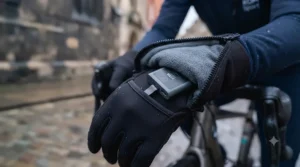
- Check the heating coverage, not just the wattage. A glove that heats only the back of the hand leaves your fingertips — usually the worst-affected area in Raynaud’s — still cold. Look specifically for full-finger heating elements.
- Match waterproofing to your actual commute. If you ride regardless of rain, a non-waterproof glove with brilliant battery life is still the wrong purchase; water reaching a heating element is a real functional risk, not just a comfort issue.
- Be realistic about battery runtime versus your ride length. A glove rated for 2 hours on high is fine for a 25-minute commute but will leave you cold on a three-hour weekend ride, so buy for your longest typical outing, not your average one.
- Consider bulk and dexterity, not just warmth. Thicker, heavier heated gloves can make braking and gear-shifting feel clumsy; thinner liner-style options trade some raw warmth for control.
- Look at whether batteries are included or sold separately. Several genuinely good gloves in this category — the Lenz and Giro options among them — list a lower headline price because the battery pack is an additional purchase.
- Read aggregated review themes for build consistency, not star ratings alone. A 4.5-star average can still hide recurring complaints about stitching or battery life at a specific price tier; look for what people repeatedly say, not just the number.
- Decide whether you want a full glove or a heated liner. If you already own gloves that fit and grip well, a liner may solve the warmth problem more cheaply than replacing the whole glove.
Waterproof Heated Cycling Gloves: What Actually Happens in the Rain
“Waterproof” on a glove box covers a genuinely wide range of real-world performance, and this matters more with heated gloves than ordinary ones, because water reaching a battery connection or heating wire isn’t just uncomfortable — it can cause the electronics to fail outright. Genuinely waterproof heated gloves, like the Sealskinz Upwell, use a bonded membrane and sealed seams specifically engineered to keep water away from both your skin and the heating element itself, which is why they cost meaningfully more than a “water-resistant” alternative.
Reviewers consistently note that even strong waterproof claims have limits: heavy, sustained rain at speed, particularly around the wrist and cuff opening, can still find a way in over a long enough ride, and some manufacturers — Ekoi among them, according to UK cycling publications — actively recommend switching heating off in genuinely torrential conditions as a precaution. Budget waterproof gloves such as the SNOW DEER Waterproof Heated Cycling Gloves generally use simpler waterproof coatings rather than bonded membranes, which hold up reasonably well in typical British drizzle but shouldn’t be trusted the same way in a genuine downpour. If your winter riding is mostly cold-and-dry, a non-waterproof but longer-lasting option like the Savior Heat S20 may actually serve you better than paying a premium for waterproofing you’ll rarely test to its limits.
Heated Cycling Gloves vs Heated Liner Gloves
The core difference between heated cycling gloves and heated liner gloves isn’t really about warmth — it’s about what job each one is doing. A full heated cycling glove, such as the Sealskinz Upwell or Giro Vulc Lightweight, is a complete outer glove: it provides the grip, the wind and water protection, and the heat all in one product. A heated liner, like the Autocastle Battery Heated Glove Liners or Savior Heat Graphene Heated Glove Liners, provides only the heat, and relies on you wearing a separate outer glove — ideally one you already own and like — over the top.
| Factor | Full Heated Glove | Heated Liner Glove |
|---|---|---|
| Grip & control | Built specifically for cycling | Depends entirely on the outer glove |
| Weather protection | Often integrated (waterproof/windproof) | None on its own |
| Bulk | Higher, all layers in one | Lower, adds minimal bulk under existing gloves |
| Best For | Buyers needing a complete winter solution | Buyers who already have gloves they love |
What most buyers overlook is that liners genuinely shine for riders who’ve already spent time and money finding gloves with the right grip and fit for their hands — replacing that whole glove just to get heat can be a step backward in control, even if it’s a step forward in warmth. On the other hand, a liner-plus-outer-glove combination is inherently bulkier around the fingers than an integrated design, which can make fine bar and brake-lever control marginally less precise, something worth factoring in if you ride in tight traffic or technical terrain regularly.
Is “Medical-Grade Heating” Real? Cutting Through the Marketing
You’ll see the phrase “medical-grade heating” on a fair number of heated glove listings, often alongside claims that infrared heat specifically stimulates circulation for Raynaud’s or arthritis sufferers. It’s worth being honest about this: “medical-grade” isn’t a regulated or standardised term for consumer heated gloves in the UK, and none of the products in this guide are registered medical devices. What they actually are is a consumer electrical heating product — a genuinely useful one for many people with cold-sensitive hands, but not one that has been through clinical trials or medical device approval.
That doesn’t mean the underlying idea is nonsense. Warming the extremities is a well-established, sensible piece of general advice for managing Raynaud’s, echoed by the charity Scleroderma & Raynaud’s UK, which specifically recommends keeping the whole body warm to help prevent circulation-related attacks in the first place. Based on the spec comparison across this category, the honest framing is that heated gloves add external warmth that can reduce the likelihood or severity of a cold-triggered Raynaud’s episode while riding — a genuinely useful mechanical benefit — rather than delivering some special medically certified therapy that ordinary warmth doesn’t. If a listing implies its gloves treat or cure Raynaud’s, that’s marketing overreach worth being sceptical of; if it simply says the gloves help keep hands warm in the cold, that claim is both modest and true.
Thermal Reliability: Why Some Gloves Fail You Halfway Through a Ride
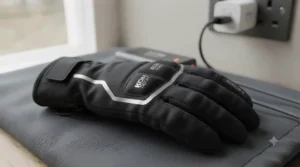
Thermal reliability — consistent, predictable heat output for the duration a manufacturer claims — is where the gap between budget and premium heated gloves shows up most clearly, and it’s rarely obvious from the spec sheet alone. Battery chemistry, cell quality, and how evenly the heating element is woven through the fabric all affect whether you get a steady 65–70°C for the full stated runtime or a hot first twenty minutes followed by a slow, disappointing fade.
Reviewers consistently flag that cheaper heating wires, particularly in gloves under roughly £50, tend to develop cold spots over repeated use as the wire shifts slightly within the fabric or as solder points loosen with flexing. Graphene-based elements, used in the Savior Heat Graphene Heated Glove Liners, and the Finger Cap design used by Lenz, are specifically engineered to spread heat more evenly and hold up better to repeated bending at the knuckles, which is exactly where wire-based elements tend to fail first. What the spec sheet won’t tell you, but aggregated long-term review themes suggest, is that battery capacity fade — the gradual reduction in maximum runtime after dozens of charge cycles — is a bigger factor in real-world thermal reliability than the glove’s advertised maximum temperature, so a glove that starts at “only” 3 hours of runtime but holds that figure steady after a year is arguably more reliable than one that starts at 6 hours and drops to 3 within a season.
Common Mistakes When Buying Heated Cycling Gloves
Cyclists shopping for heated gloves for the first time tend to make the same handful of avoidable errors. The most common is buying based on the highest advertised temperature rather than realistic sustained warmth — a glove that claims 65°C on its highest setting for two hours tells you very little about how it performs on the medium setting for a genuinely long ride, which is how most people actually use them. A second frequent mistake is ignoring whether batteries are included; several gloves in this guide, notably the Lenz and Giro options, are genuinely excellent but priced misleadingly low if you don’t spot that the battery pack is a separate purchase.
A third mistake is assuming all “waterproof” claims are equal, covered in more depth above — a £35 glove and a £180 glove can both say waterproof on the box while performing very differently in genuine rain. Finally, many first-time buyers overlook glove sizing entirely, buying their normal size in a heated glove that’s noticeably thicker through the palm and fingers than an unheated one, resulting in a snug fit that restricts circulation — precisely the opposite of what someone managing poor circulation actually needs. Sizing up by half a size is a sensible default when in doubt, particularly for full-finger heated gloves rather than thinner liners.
Long-Term Cost & Maintenance
Total cost of ownership for heated gloves goes well beyond the sticker price. Replacement battery packs for premium systems like Lenz or Giro Vulc Lightweight can cost a meaningful fraction of the original glove price, so factor in at least one likely replacement over a glove’s working life if you ride through several winters. Budget gloves in the Autocastle or SNOW DEER bracket are cheaper to replace outright than to repair, which changes the calculation: a £30 pair worn out after two winters and simply replaced can, over five years, cost roughly the same as one £150 pair that’s serviced and re-batteried along the way — the difference is convenience and consistency rather than raw pounds spent.
Cost-per-use also depends heavily on how often you actually ride through winter. A daily commuter covering five rides a week for four cold months gets far more value from a premium, durable option than someone who cycles occasionally on crisp weekend mornings, for whom a budget liner may represent better value even if it needs replacing sooner. Charging habits affect longevity too: consistently running a battery fully flat before recharging shortens lithium battery lifespan compared with topping up regularly, a detail that’s easy to overlook but genuinely affects how many winters you’ll get from a single purchase.
Battery Safety & Regulations for Heated Gloves
Heated gloves rely on rechargeable lithium batteries, and while the risk with a small glove battery pack is far lower than with an e-bike battery, the same basic safety principles apply. The London Fire Brigade advises only buying batteries and chargers from reputable manufacturers, never leaving batteries charging unattended or overnight, and charging on a hard, non-flammable surface away from escape routes rather than on bedding or soft furnishings.
For heated gloves specifically, always use the charger supplied with the product rather than a random USB adaptor, since mismatched voltage can affect both charging safety and battery lifespan. Stop using a battery pack immediately if it becomes swollen, unusually hot, or visibly damaged, and look for UKCA or CE markings on the packaging as a basic indicator that the product meets UK electrical safety requirements — several budget listings researched for this guide explicitly state CE/UKCA/RoHS compliance, which is worth checking for on any glove you’re considering. None of this should put you off heated gloves; it simply means treating the battery pack with the same basic care you’d give any other rechargeable device in the home.

Frequently Asked Questions
❓ Do heated gloves actually help with Raynaud's while cycling?
❓ How long does the battery last on heated cycling gloves?
❓ Are heated cycling gloves waterproof?
❓ Can I wear a heated liner under my existing cycling gloves?
❓ Is it safe to charge heated glove batteries overnight?
Conclusion
Cold, white, aching fingers shouldn’t be the price of admission for winter cycling, and for riders with Raynaud’s or poor circulation more broadly, heated gloves genuinely change what’s possible on a bike between November and March. There’s no single “best” pick here, because the right glove depends entirely on how far you ride, how wet your winters get, and how much you’re willing to spend to solve the problem properly rather than partially.
If waterproofing and daily reliability matter most, the Sealskinz Upwell earns its price. If you’re out for hours at a time in genuine cold, the Lenz Heat Glove 6.0 or Giro Vulc Lightweight justify their premium through sheer runtime and control. And if you simply want to know whether heated gloves will help before spending serious money, the Autocastle Battery Heated Glove Liners or Savior Heat S20 are honest, low-risk places to start. Whichever you choose, remember that no glove replaces sound medical advice — if your symptoms are severe, worsening, or new, speak to your GP alongside any gear changes you make.
✨ Ready to Stop Riding With Frozen Fingers?
🔍 Compare the options above against your typical ride length and weather, then check current pricing and availability before the cold snap hits. The right pair could be the difference between dreading winter rides and actually looking forward to them.
Recommended for You
- 7 Best Heated Cycling Gloves UK 2026: Warm Hands, Guaranteed
- 7 Best Heated Cycling Jacket for Mountain Biking in 2026
- Heated Cycling Jacket for Road Cyclists: 7 Best Picks for 2026
Disclaimer: This article contains affiliate links. As an Amazon Associate, I earn from qualifying purchases. If you purchase products through these links, we may earn a small commission at no additional cost to you.
✨ Found this helpful? Share it with your friends! 💬🤗
