

In This Article
Heated grips for touring motorcycles are handlebar grips fitted with an internal heating element, powered by the bike’s electrical system, that warm the rider’s palms and fingers directly through the grip rubber rather than relying on bulky heated gloves. For anyone who’s ever tried to operate a clutch lever with fingers that have gone from “cold” to “distant memory,” that’s not a luxury add-on. It’s the difference between a ride you remember fondly and one you spend gritting your teeth through a Peak District drizzle, silently negotiating with your own hands to just work, please.
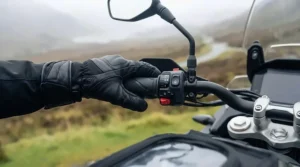
There’s a peculiar kind of misery unique to motorcycle touring: your core can be toasty under three merino layers and a decent textile jacket, and still your fingertips go numb somewhere around junction 14 of the M6. Grips solve the specific problem that gloves alone often can’t — because your hands are wrapped around cold aluminium and steel for hours, conducting heat away faster than your body can replace it. Add UK weather into the mix, all four seasons arriving within a single Tuesday, and the case for fitting a set becomes less “nice to have” and more “why didn’t I do this years ago.”
This guide walks through seven genuinely available heated grips for touring motorcycles, compares them honestly against one another, and digs into the practical side most retail listings skip — fitting, wiring, adjustable heat settings, and what actually changes on a 300-mile day once you’ve made the switch.
Quick Comparison Table
| Product | Heat Control | Install Difficulty | Best For | Price Range |
|---|---|---|---|---|
| Oxford Heaterz Premium Touring | 5-stage bar controller | Moderate | All-round touring value | around £50–£65 |
| Oxford HotGrips Pro Touring | 3-stage integrated switch | Moderate | Riders who hate bar-mounted clutter | £90–£110 range |
| Koso Apollo | 5-stage integrated thumb switch | Easy–moderate | Fastest warm-up, OEM looks | £75–£95 range |
| Daytona Intelligent Heated Grips | 4-stage integrated switch | Moderate | Quickest heat-up on record | £45–£65 range |
| R&G Heated Grips | 2-stage controller | Moderate | Budget riders wanting real heat | £40–£55 range |
| Bike Tek Heated Grips | 2-button controller | Easy | Smaller hands, tightest budget | under £40 |
| Ultimateaddons Heated Grips | Multi-stage plug-and-play | Easy | Adventure and modern tourers | £55–£75 range |
Looking at the spread here, there’s a clear split between the “install a small control box on your bars” school (Oxford Heaterz Premium Touring, R&G Heated Grips, Bike Tek Heated Grips) and the newer “everything lives in the grip itself” approach (Oxford HotGrips Pro Touring, Koso Apollo, Daytona Intelligent Heated Grips, Ultimateaddons Heated Grips). Neither camp is objectively better — a bar-mounted controller is often easier to operate with thick winter gauntlets on, while an integrated switch keeps your cockpit tidier and avoids drilling extra holes for a bracket. Budget buyers should note that the cheapest options on this list still deliver genuinely warm grips; the extra spend on premium models buys you refinement, not warmth itself.
💬 Just one click — help others make better buying decisions too!😊
Top 7 Heated Grips for Touring Motorcycles: Expert Analysis
Before the deep dive, here’s how these seven stack up on the numbers that actually matter for a long-distance rider — how many heat stages you get, roughly how quickly they warm, and where each one tends to end up fitted.
1. Oxford Heaterz Premium Touring — most trusted all-rounder for tourers
The standout here is simple: this is the grip that most long-distance riders reach for first, and there’s a reason it keeps coming up as the default recommendation on touring forums. Key specs with real-world meaning: five heat settings via a small bar-mounted Intelligent Heat Controller, waterproof connectors, a rainproof switch, and a current draw kept under 4A so your battery isn’t gasping by the time you reach the services. That last point matters more than it sounds — a heated grip that drains your battery on a cold start is a grip that leaves you stranded, not warmed. Based on the spec comparison with cheaper alternatives, the sealed, weatherproof build is what separates this from budget open-frame designs that let moisture creep in over a wet winter.
Reviewers consistently report strong heat output reaching a genuinely toasty level within minutes, alongside praise for straightforward installation and long-term reliability across thousands of miles. A recurring theme in owner feedback is that the grips remain comfortable even after years of use, though a minority of buyers have noted the bar-mounted switch occasionally needs re-securing after heavy vibration. What most buyers overlook about this model is that it comes in multiple lengths that can be trimmed to fit, so it suits a far wider range of handlebar setups than the single “one size” assumption suggests.
Pros:
- ✅ Five heat settings for genuinely fine control
- ✅ Waterproof, sealed design suited to UK weather
- ✅ Trusted by long-distance riders for durability
Cons:
- ❌ Bar-mounted controller adds handlebar clutter
- ❌ Requires drilling or clamping a bracket to fit
Priced around £50–£65, this sits firmly in the mid-range and represents strong value for a first-time heated grip buyer — check current price and availability before committing, as stock and exact configuration vary by handlebar size.
2. Oxford HotGrips Pro Touring — no separate controller needed
What jumps out immediately with this model is the missing control box. Instead of a bar-mounted unit, the entire switch lives on the left grip itself, operated with a single push-and-hold button that cycles through three heat settings — a genuine ergonomic upgrade for anyone who’s fumbled with a tiny dial while wearing thick winter gloves. Key specs: three temperature stages (roughly 35°C, 40°C and 45°C based on published figures), an LED indicator built into the grip, and a design shared across Sport, Touring and Adventure variants that differ mainly in tread pattern and thickness.
Here’s what to weigh: dropping from five stages to three sounds like a downgrade on paper, but in practice most riders only ever use two or three heat levels anyway — “off,” “cosy,” and “October morning in Yorkshire.” Reviewers consistently note that the elimination of the bar-mounted controller is the single biggest usability improvement over Oxford’s older Heaterz line, since you never have to take your eyes or a gloved hand off the controls to adjust temperature. One long-term reviewer described these as the best heated grips they’d tested after extensive comparison with rival brands.
Pros:
- ✅ Integrated switch means zero handlebar clutter
- ✅ Simple one-button operation, even with thick gloves
- ✅ Reduces wiring complexity versus separate controllers
Cons:
- ❌ Only three heat stages versus five on some rivals
- ❌ Sits at the premium end of the price range
Expect to pay in the £90–£110 range for the Pro Touring variant, making this one of the pricier picks here — but the simplified install and daily-use convenience genuinely justify part of that premium for riders who tour regularly rather than occasionally.
3. Koso Apollo — fastest-warming integrated switch
The Apollo’s standout feature is an integrated thumb switch with a colour-coded LED — blue, green, yellow, orange and red — that lets you read your current heat level at a glance without looking away from the road for long. Key specs with real-world meaning: five heat levels controlled entirely from the left grip, a 4-amp fuse, and an estimated peak draw in the high-30-watt range on maximum, according to independent measurement by enthusiast reviewers using an ammeter. On paper this means Koso sits in similar territory to Oxford for raw heat output, but the switch memory function — which recalls your last-used setting after a three-second hold to power off — is a small but genuinely useful touch that Oxford’s older Heaterz range lacks.
Aggregated owner feedback across long-term reviews describes the Apollo as reaching a comfortably warm temperature within about five minutes, even in sub-freezing conditions, and several long-term owners report the electronics holding up fault-free after a full year of outdoor storage and exposure to road salt. The recurring criticism, echoed across multiple owner write-ups, is that the grips run slightly longer and thicker than many stock grips, which can crowd switchgear on bikes with busy handlebar controls — worth checking against your specific model before buying.
Pros:
- ✅ Fast, intuitive colour-coded heat level indicator
- ✅ Memory function recalls your last setting
- ✅ Reliable long-term performance reported by owners
Cons:
- ❌ Slightly bulkier fit than many factory grips
- ❌ May crowd switchgear on bikes with busy controls
Typically priced in the £75–£95 range depending on handlebar size and retailer, the Apollo lands between Oxford’s Premium and Pro tiers — a sensible middle ground if you want integrated switching without paying top price.
4. Daytona Intelligent Heated Grips — quickest heat-up on record
The headline feature is speed: Daytona’s own claimed heat-up time is around four minutes, and several owners comparing it directly against Oxford grips report the Daytona reaching a usable temperature noticeably faster in cold-start conditions. Key specs: four heating stages via an integrated left-grip switch, a heat-level memory and recall function, and a battery protection feature that automatically manages current draw to avoid draining your battery on longer stationary stops — handy for tank-bag lunch breaks at a service station.
Based on the spec comparison with Oxford’s bar-controller models, the appeal here is Japanese-engineered simplicity: no separate control unit to mount, and a reportedly more compact wiring loom that some owners find easier to route on faired sports-tourers with less room behind the fairing. Reviewers who’ve owned multiple sets across several bikes describe the heat as decent even when only using the lower one or two settings day-to-day, and several note preferring the feel and thinner rubber profile over bulkier Oxford alternatives. One recurring criticism from a UK rider forum is that the four stages are effectively split between two wiring configurations — meaning the practical difference between adjacent settings can feel more like “on” and “off” than a smooth gradient.
Pros:
- ✅ Among the fastest heat-up times on test
- ✅ Integrated battery protection guards against drain
- ✅ Thinner rubber profile preferred by some riders
Cons:
- ❌ Heat stages can feel less gradual than rivals
- ❌ Less widely stocked than the Oxford range
Priced around £45–£65 depending on fitment, the Daytona undercuts most integrated-switch competitors while still offering genuinely quick warm-up — a strong pick for riders prioritising speed of heat over granular control.
5. R&G Heated Grips — best heat-per-pound value
The standout advantage here is blunt: in independent group testing, these grips produced the fifth-highest heat output of the field measured with a thermometer, edging out several pricier rivals, at a price point well below premium alternatives. Key specs: a straightforward two-stage (high/low) heat control via a compact handlebar-mounted switch, and a build that testers found delivered close to 45°C after four minutes of operation in that same comparison test — genuinely competitive with grips costing considerably more.
What most buyers overlook about this model is that “only two settings” isn’t actually a dealbreaker for most touring use — many riders on genuinely cold days simply want “on” and “really on,” and R&G delivers both convincingly. Aggregated review sentiment describes solid heat output and dependable performance, with the main trade-off being less fine-grained control than five-stage rivals; there’s no middle ground for those in-between mornings where you want gentle warmth rather than maximum heat.
Pros:
- ✅ Genuinely strong heat output for the price
- ✅ Simple two-stage control, easy to operate riding
- ✅ Significantly cheaper than premium integrated-switch grips
Cons:
- ❌ Only two heat stages, no fine adjustment
- ❌ Handlebar controller adds a small amount of clutter
At around £40–£55, the R&G set is arguably the sharpest value pick on this list for riders who want real warmth without paying for extra stages they may never use — check current price, as R&G’s range has expanded and older listings may not reflect current stock.
6. Bike Tek Heated Grips — slimmest grip for smaller hands
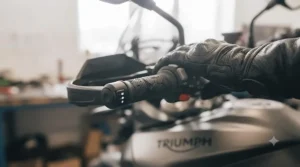
The clear standout is diameter: at roughly 34mm, this is one of the thinner heated grips on the market, making it a genuinely useful option for riders with smaller hands who find bulkier heated grips uncomfortable over long stints. Key specs: a compact two-button controller for adjusting heat up or down, and — according to independent group testing — the third-highest heat output recorded among the grips measured, beaten only by two premium Oxford models in that same comparison.
Reviewers consistently note this as a “fantastic product at a fantastic price,” with the low cost and strong heat output making it a standout budget recommendation in multiple independent write-ups. Here’s what to weigh: the same slim profile that makes these comfortable for smaller hands also means a looser factory fit on some handlebars, which testers found meant more grip glue was needed to secure them properly than with tighter-fitting alternatives — a five-minute extra step, not a dealbreaker, but worth planning for before you start the install.
Pros:
- ✅ Slim 34mm diameter suits smaller hands
- ✅ Strong heat output for a genuinely budget price
- ✅ Simple two-button controller, easy to learn
Cons:
- ❌ Looser factory fit needs extra grip glue
- ❌ Fewer heat stages than premium rivals
Coming in under £40 in most listings, this is the entry point on this list — an honest, no-frills option for riders who want real warmth without spending big.
7. Ultimateaddons Heated Grips — newest plug-and-play design
The standout feature is simplicity of install: this newer entrant to the UK market is built around a genuinely plug-and-play wiring approach, aimed squarely at adventure and modern touring riders who want heated grips without a weekend spent chasing wiring diagrams. Key specs: multiple heat stages via a compact switch, connectors designed to tap into common auxiliary power points, and a current draw low enough that owners report running them alongside USB chargers from the same auxiliary circuit without issue, provided the fuse is sized correctly.
Reviewers consistently note ease of installation as the headline strength, with one owner reporting the grips felt “toasty within minutes” on a first UK winter test ride, and forum feedback from riders comparing several brands side-by-side citing feedback, reviews, cost and availability as reasons for choosing this over more established names. As a newer brand, the long-term review pool is smaller than Oxford’s decades of feedback — an honest gap worth flagging rather than glossing over, since durability data over several years simply isn’t available yet in the same volume.
Pros:
- ✅ Genuinely quick, straightforward plug-and-play install
- ✅ Positive early feedback from adventure-touring owners
- ✅ Competitive pricing against more established brands
Cons:
- ❌ Smaller long-term review pool than legacy brands
- ❌ Less widely available at independent dealers
Priced in the £55–£75 range, the Ultimateaddons set is a sensible pick for riders wanting modern convenience, though those wanting decades of proven durability data may lean toward Oxford or Koso instead.
✨ Don’t Miss These Exclusive Deals!
🔍 Take your winter riding to the next level with these carefully selected heated grips. Click on any highlighted product to check current pricing and availability at the time you’re reading this. A properly fitted set can turn a miserable, numb-fingered commute into a ride you actually look forward to.
Adjustable Heat Settings and Temperature Control Explained
Not all “adjustable heat settings” mean the same thing, and this is where a lot of buyers get caught out comparing spec sheets that aren’t actually comparable. Grips like Oxford Heaterz Premium Touring and Koso Apollo offer five discrete stages, giving you genuine fine control between a gentle 20% warmth for a mild fifteen-degree morning and full blast for genuinely freezing conditions. Others, like R&G Heated Grips, use a simpler high/low binary — which sounds limiting on paper, but in practice covers the two states most riders actually use on a given ride.
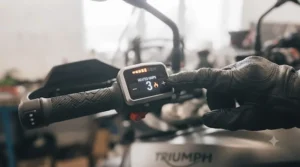
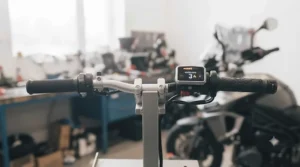
Reviewers consistently note that the real differentiator between heated grips with adjustable temperature isn’t the number of stages advertised, but how the switch is operated while riding. A bar-mounted rotary controller, as used on the Oxford Heaterz Premium Touring, can be fiddly to adjust precisely while wearing thick winter gauntlets — you’re guessing at a dial you can barely feel. Integrated thumb switches, as fitted to the Oxford HotGrips Pro Touring, Koso Apollo and Daytona Intelligent Heated Grips, solve this by letting you feel a distinct click through the glove without removing your hand from the bar, which matters more on a motorway at 70mph than it does in a car park.
Based on the spec comparison across all seven grips, the sweet spot for most UK touring riders is three to five stages with an intuitive on-grip control — enough range to match genuinely variable British weather, without so many micro-steps that you’re fiddling constantly instead of riding.
Easy Install: Fitting Heated Motorcycle Grips Yourself
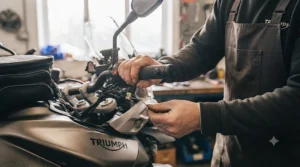
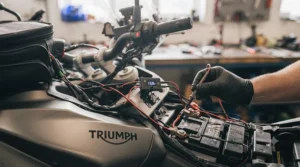
Fitting your own heated grips is one of the more approachable DIY jobs on a motorcycle, and most riders comfortable with basic tools can complete it in an afternoon. The process for easy install heated motorcycle grips generally follows the same sequence regardless of brand: remove the old grips (a heat gun and a flat-blade tool make short work of stubborn factory glue), clean the bar ends thoroughly, feed the new grip’s wiring through to your chosen mounting point, secure the grip with the specific grip glue supplied — never ordinary superglue, which several manufacturers explicitly warn against as it can degrade the rubber compound — and route the wiring loom neatly away from moving parts before connecting to power.
Where most first-time installers hit friction is the throttle-side grip, which typically needs to be cut to length and can require filing down internal ribs to clear a bar-end weight or switchgear housing. Reviewers who’ve fitted several different brands consistently flag this as the fiddliest ten minutes of an otherwise straightforward job — patience and a sharp craft knife go a long way. For power, tapping into a switched live (one that only carries current with the ignition on) is the tidier long-term solution, though several grips, including the Oxford Heaterz Premium Touring, include an Intelligent Heat Controller that detects the engine running without needing a switched circuit at all, simplifying wiring considerably for less confident DIYers.
Budget ninety minutes to two hours for your first install, including a tea break when the throttle-side grip inevitably refuses to cooperate. A multimeter is genuinely worth borrowing if you don’t own one, both for confirming your chosen power point only activates with ignition on, and for checking your fuse rating matches the grip’s actual current draw rather than guessing.
Real-World Scenarios: Which Heated Grips Suit Your Kind of Touring?
The weekend tourer riding 150 miles on a Saturday. If your riding is mostly fair-weather weekend runs with the occasional chilly October outing, a simpler two-stage grip like R&G Heated Grips or Bike Tek Heated Grips covers what you actually need without paying for stages you’ll rarely touch. Budget matters more here than granular control, and both deliver genuinely strong heat for modest outlay.
The year-round commuter-tourer covering 8,000+ miles annually. If you’re riding through proper British winters — frost on the visor, hands going numb by junction three — the fine control and proven long-term durability of Oxford Heaterz Premium Touring or Koso Apollo earns its higher price. You’ll use every one of those five stages across a season that swings from crisp fifteen-degree mornings to genuine sub-zero starts, and the sealed, weatherproof build matters more when you’re riding in actual rain rather than avoiding it.
The adventure tourer heading further afield, off-road sections included. For riders mixing motorway miles with gravel tracks and unpredictable European weather, Koso Apollo‘s robust build and Ultimateaddons Heated Grips‘ straightforward plug-and-play install both suit a bike that might be stripped down and rebuilt more often for maintenance. The Oxford HotGrips Pro Touring‘s integrated switch also earns its keep here, since there’s one less bar-mounted component to catch on panniers or crash bars during a drop.
Problem → Solution: Fixing Common Heated Grip Issues
Problem: Grips feel lukewarm, never properly hot. This is usually a wiring or fusing issue rather than a faulty grip — check the fuse rating matches the manufacturer’s stated draw, and confirm the connection point is delivering full battery voltage rather than a diminished feed from an already-loaded circuit.
Problem: One grip heats, the other doesn’t. Almost always a connector issue at the join between grip and wiring loom. Reviewers across multiple brands report this as the most common early fault, usually solved by reseating the connector firmly and applying a little dielectric grease to prevent future corrosion.
Problem: Grips work fine until it rains, then cut out. Points to a connector that isn’t properly sealed. Models like Oxford Heaterz Premium Touring, built with waterproof connectors and a rainproof switch from the factory, are less prone to this — but even sealed grips benefit from a dab of dielectric grease at every connection as extra insurance against a genuinely wet UK winter.
Problem: Battery seems to drain faster since fitting. Confirm your grips are wired through a switched live rather than direct to the battery, so they can’t draw current with the ignition off. Grips like the Daytona Intelligent Heated Grips, with built-in battery protection, mitigate this automatically, but it’s worth checking your wiring regardless of brand.
Problem: Grip has come loose and spins on the bar. Almost always insufficient or incorrect adhesive. Manufacturers are specific for a reason — proper grip glue rather than superglue — and a light sand of the bar surface beforehand improves adhesion considerably.
Long-Haul Comfort: Why Touring Riders Rely on Heated Grips
Long-haul comfort on a motorcycle comes down to managing fatigue before it becomes a safety issue, and cold hands are one of the fastest routes to exactly that. When your fingers are cold, grip strength drops, fine motor control for the clutch and brake lever suffers, and — as multiple UK winter-riding safety guides point out — concentration and reaction times slow as your body diverts energy toward simply staying warm. That’s not a comfort footnote; it’s a genuine safety consideration on longer rides.
What the spec sheet won’t tell you, but reviewers note repeatedly, is how much of a difference heated grips make specifically on the last hour of a long day, when fatigue is already setting in and cold hands compound it. A rider who’s been managing frozen fingers for six hours arrives at their destination more drained than one whose hands stayed genuinely warm throughout — and that fatigue differential matters on motorways where reaction time counts. For riders managing circulatory conditions such as Raynaud’s phenomenon, where cold exposure triggers painful restricted blood flow to the fingers, heated grips can be genuinely protective rather than purely a comfort upgrade — though anyone managing a diagnosed condition should factor in medical advice on appropriate heat exposure alongside kit choices.
How to Choose Heated Grips for Touring Motorcycles
Choosing the right heated grips comes down to seven practical criteria, roughly in order of importance for most touring riders:
- Heat output and stages. Match the number of heat settings to how variable your riding conditions actually are — three to five stages suits most UK touring, fewer is fine for occasional cold-weather use.
- Control location. Decide between a bar-mounted controller (easier to see, adds clutter) and an integrated grip switch (tidier, harder to glance at while riding).
- Weatherproofing. Look for sealed connectors and a rainproof switch as standard — this isn’t optional in a country where rain is closer to a certainty than a possibility.
- Handlebar fitment. Confirm grip length, diameter, and whether it’s designed to be trimmed, since a mismatch here causes most fitting frustrations.
- Current draw versus your bike’s charging capacity. Older or smaller-capacity bikes benefit from grips with a lower rated draw or a battery protection feature.
- Installation complexity you’re comfortable with. Plug-and-play designs suit less confident DIYers; bar-controller kits are more involved but often cheaper.
- Budget versus expected mileage. Riders covering high annual mileage generally see better long-term value from proven, durable mid-to-premium options than from repeatedly replacing budget sets.
Common Mistakes When Buying Heated Grips
The most common mistake is buying based on price alone without checking current draw against the bike’s electrical system — older motorcycles with smaller-capacity charging systems can genuinely struggle to run five-stage heated grips on maximum alongside heated gloves and a phone charger, leading to a battery that won’t start the bike on a cold morning. A close second is skipping the compatibility check on handlebar diameter and grip length, then discovering the throttle-side grip fouls existing switchgear or a bar-end weight.
Reviewers consistently flag a third mistake: assuming superglue is an acceptable substitute for proper grip glue during installation. Several manufacturers explicitly warn against this, since standard superglue can react badly with certain rubber compounds and degrade the grip over time rather than bonding it securely. Finally, many first-time buyers overlook fusing entirely, either skipping a dedicated fuse or guessing at a rating rather than matching it to the grip’s actual stated current draw — a five-minute check that prevents a genuinely dangerous wiring fault down the line.
Heated Grips vs Heated Gloves and Bar Muffs: Benefits vs Traditional Alternatives
| Factor | Heated Grips | Heated Gloves | Bar Muffs (unheated) |
|---|---|---|---|
| Warms whole hand | Palm and fingers in contact with grip | Entire hand, all sides | No, blocks wind only |
| Install effort | Moderate, one-time fit | None, just wear them | Low, clip-on |
| Cost | £40–£110 range typically | Often £60–£200+ range | £20–£40 range typically |
| Works with any glove | Yes | No, tied to that glove | Yes |
| Best For | Riders wanting a permanent bike upgrade | Riders wanting portable warmth across bikes | Budget wind-blocking only |
The analysis here is fairly clear-cut: heated grips win on cost-per-use over time since they’re a one-off fit that works with whatever gloves you already own, while heated gloves offer more even warmth across the whole hand and travel with you between bikes but typically cost more and tie you to a specific glove and battery pack. Bar muffs are the cheapest option by far and genuinely effective at blocking wind chill, but they add zero active heat and can feel bulky in slower, technical riding. For most touring riders, grips and gloves aren’t mutually exclusive — many long-distance riders run both, using the grips as a baseline and gloves for genuinely sub-zero starts.
Long-Term Cost & Maintenance
Total cost of ownership for heated grips is refreshingly low compared with heated jackets or gloves, since there’s no battery pack to replace and no annual subscription of any kind. Beyond the initial purchase price — anywhere from under £40 for budget options like Bike Tek Heated Grips up to around £110 for premium integrated-switch models like the Oxford HotGrips Pro Touring — ongoing costs are limited to an occasional replacement fuse (a few pence) and, eventually, grip glue if you ever need to refit or replace a worn set.
Based on the spec comparison and reported longevity across owner reviews, well-maintained grips from established brands like Oxford and Koso commonly last several riding seasons without electrical fault, provided connections are kept dry and dielectric grease is applied at the connector during installation. Cost-per-use over a typical five-year ownership period works out to pennies per ride for most riders covering regular winter mileage — genuinely difficult to beat as a comfort upgrade relative to spend, and considerably cheaper over that period than repeatedly buying disposable hand warmers each winter.
Safety, Wiring & Compliance Guide
Fitting heated grips is a low-voltage 12V job, but it still deserves proper care. Always fuse the circuit correctly, matching the fuse rating to the grip’s stated maximum current draw rather than reusing whatever fuse happened to be nearby in your spares box. Route wiring away from moving parts, hot exhaust components, and anywhere it could be pinched during steering lock — a chafed wire against a frame edge is a slow-motion electrical fault waiting to happen. Wiring into a switched live rather than directly to the battery is the safer long-term choice, since it prevents the grips drawing current with the ignition off and flattening your battery overnight.
As with any electrical accessory fitted to a road-legal motorcycle in the UK, it’s worth keeping documentation of the fitment for insurance purposes, and checking your policy doesn’t require declaring aftermarket electrical modifications — practices vary by insurer. General winter riding safety guidance from Traffic Scotland reinforces that staying warm isn’t just about comfort; reduced concentration and slower reaction times from cold exposure are recognised contributing factors in winter riding incidents, which is exactly why heated kit sits alongside tyres and lighting as a genuine safety consideration rather than a indulgence. For further general context on how heated grips fit into wider motorcycle handlebar accessories, Wikipedia’s overview of motorcycle handlebar components is a useful reference point.
FAQ
❓ Do heated grips drain the battery when the bike isn't running?
❓ Can I fit heated grips myself without a mechanic?
❓ How many heat settings do I actually need for touring?
❓ Are heated grips better than heated gloves for long-distance riding?
❓ Do heated grips work with any motorcycle handlebar?
Conclusion
Fitting heated grips is one of the highest comfort-per-pound upgrades available for anyone who tours through a genuinely British winter, and — based on everything covered here — there’s a suitable option regardless of budget or bike. Riders wanting proven, weatherproof reliability should look toward Oxford Heaterz Premium Touring or the integrated-switch Oxford HotGrips Pro Touring; those wanting fast warm-up on a tighter budget will find real value in Daytona Intelligent Heated Grips or R&G Heated Grips; and riders with smaller hands or the tightest budgets shouldn’t overlook Bike Tek Heated Grips. For adventure and modern touring setups, Koso Apollo and Ultimateaddons Heated Grips both bring genuinely useful plug-and-play convenience to the table.
Whichever set you choose, the underlying case doesn’t change: cold hands aren’t just uncomfortable on a long ride, they’re a fatigue and safety factor worth taking seriously. A properly fitted, correctly fused set of heated grips solves that problem quietly, permanently, and for less than the cost of most other touring upgrades — check current prices before buying, since availability and exact configurations shift regularly across retailers.
✨ Found this helpful? Ready to stop riding with numb fingers this winter?
🔍Check current pricing on the models above and find the set that matches your bike and budget. 🏍️🔥
Recommended for You
- Heated Motorcycle Grips UK: 7 Best Picks for Winter 2026
- Waterproof Heated Motorcycle Trousers: 7 Best Picks for 2026
- Heated Motorcycle Trousers: 7 Best UK Picks for Winter 2026
Disclaimer: This article contains affiliate links. As an Amazon Associate, I earn from qualifying purchases. If you purchase products through these links, we may earn a small commission at no additional cost to you.
✨ Found this helpful? Share it with your friends! 💬🤗
