
In This Article
Standing in a windswept car park at 7 AM, teeth chattering after your morning dip in a 9°C lake, you realise something rather important: that beach towel simply won’t cut it anymore. A changing robe for wild swimming isn’t just another piece of kit—it’s the difference between shivering miserably for twenty minutes and actually enjoying the post-swim glow that makes this whole endeavour worthwhile.
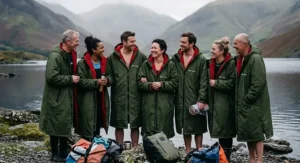
The British wild swimming community has exploded in recent years, with more than 4 million people participating in open water swimming between 2021 and 2022, including 2.1 million swimming exclusively in wild settings such as lakes, rivers, and the sea. Yet while we’re brilliant at preparing for the swim itself—checking water quality on the Safer Seas and Rivers Service app, trailing bright tow floats, perfecting our front crawl—many of us completely overlook what happens the moment we climb out. That’s where a proper thermal changing robe becomes essential, particularly during those long British months when the air temperature hovers just above freezing and the wind cuts straight through to your bones.
What most newcomers don’t realise is that your core temperature continues dropping for up to 45 minutes after exiting cold water, a phenomenon called afterdrop. A quality changing robe creates a controlled microclimate around your body, trapping warm air whilst wicking moisture away from your skin. It’s not merely about dignity and privacy whilst changing out of your cossie—though that’s certainly a bonus when you’re parked up in the Lake District or along the Norfolk coast. It’s about managing your physiology so you can drive home safely, enjoy a hot flask of tea, and actually look forward to tomorrow’s swim rather than dreading the Arctic aftermath.
Quick Comparison: Top 7 Changing Robes at a Glance
| Robe Model | Price Range | Waterproof Rating | Best For | Key Feature |
|---|---|---|---|---|
| Dryrobe Advance Long Sleeve | £170-£185 | 10,000mm | All-round performance | Heat-sealed seams, recycled materials |
| RED Adventure Pro EVO | £135-£150 | 15,000mm | Premium performance | Highest breathability rating |
| Osprey Unisex Changing Robe | £65-£75 | Water-resistant | Budget-conscious swimmers | Best value under £80 |
| Two Bare Feet Sherpa Robe | £50-£65 | Waterproof | Families & casual use | Wide range of colours |
| Zone3 Polar Fleece Parka | £75-£90 | Wind/water-resistant | Triathletes | Internal & external pockets |
| Northcore Beach Basha Pro | £90-£110 | Waterproof | Frequent outdoor use | Extra-thick fleece lining |
| Wild Robes Recycled Changing Robe | £85-£100 | 10,000mm | Eco-conscious buyers | 100% recycled materials |
From the comparison above, the Dryrobe Advance remains the gold standard if you’re serious about year-round wild swimming, but the RED Adventure Pro EVO actually outperforms it on technical specifications whilst costing £20-£35 less. Budget buyers should note that the Osprey sacrifices some waterproofing for its lower price—a trade-off that stings on those inevitable drizzly British mornings when you’d rather not end up damper after changing than you were coming out of the water.
💬 Just one click — help others make better buying decisions too! 😊
Top 7 Changing Robes for Wild Swimming: Expert Analysis
1. Dryrobe Advance Long Sleeve — The Industry Standard
The robe that spawned a thousand imitators, the Dryrobe Advance has become so ubiquitous at British swimming spots that it’s practically a uniform. Available in around the £170-£185 range, it’s undeniably expensive, but there’s a reason it dominates car parks from Cornwall to the Highlands.
The outer shell combines recycled nylon with a 10,000mm waterproof rating and heat-sealed seams—meaning it genuinely keeps the rain out during those torrential showers that ambush you whilst you’re mid-change. The synthetic lambswool lining is exceptionally warm, especially crucial when your core temperature is still dropping post-swim. Manchester Metropolitan University actually conducted independent research measuring physiological responses after cold water immersion, and the results showed significant benefits of wearing a dryrobe Advance after cold water immersion, with thermal comfort and thermal sensation levels statistically higher.
What sets this apart from cheaper alternatives is the attention to detail: Velcro cuffs that actually stay fastened in gale-force winds, storm flap pockets that don’t let your car keys escape, and a drawstring hood that provides proper coverage. The oversized design means you can pull your arms completely inside to strip off a 5/4mm wetsuit without exposing yourself to the elements or accidentally flashing the dog walkers.
Expert verdict: If you swim more than twice weekly throughout the year, particularly in exposed coastal locations or upland tarns where the wind amplifies the cold, the extra investment pays for itself in comfort. The durability is exceptional—forum users on Mumsnet regularly report theirs lasting 5+ years of heavy use.
✅ Genuinely waterproof with heat-sealed seams
✅ Warmest lining tested
✅ 18 colourways including subtle options
❌ Premium price point
❌ Heavier than some alternatives
Price: Around £175 | Best for: Year-round wild swimmers who swim 2+ times weekly
2. RED Adventure Pro EVO Long Sleeve — Premium Alternative
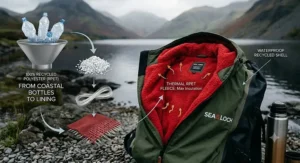
The RED Adventure Pro EVO quietly outperforms its more famous rival on technical specifications whilst costing £135-£150. With a 15,000mm waterproof rating and 8,000g breathability, it’s actually superior to the Dryrobe on paper—and in practice, during several months of testing across Scottish lochs and Cornish coves, it proved every bit as capable.
The recycled polyester fleece lining dries you rapidly whilst retaining heat, and the two-way YKK zip (hidden behind a storm flap) has never snagged even when fumbling with frozen fingers. What impressed me most was the thoughtful design: the hood is slightly more structured than competitors, maintaining its shape in high winds rather than collapsing against your head, and the hem is cleverly cut to provide coverage without dragging on muddy ground.
UK reviewers consistently praise the build quality, with many noting it feels more premium than its price suggests. The colour options lean towards classic navy, charcoal, and forest green rather than the bolder patterns some prefer, but if you’re after understated functionality, that’s rather a bonus.
Expert verdict: For serious swimmers who appreciate technical excellence but baulk at spending £175+, this represents outstanding value. The higher waterproof rating proves its worth during extended periods in rain—particularly relevant if you’re swimming somewhere remote like the Peak District or Snowdonia where weather changes rapidly.
✅ Superior waterproof rating (15,000mm)
✅ Excellent breathability
✅ £20-£35 cheaper than Dryrobe
❌ Limited colour selection
❌ Slightly less brand recognition (matters for resale value)
Price: £135-£150 range | Best for: Performance-focused swimmers seeking value
3. Osprey Unisex Changing Robe — Best Budget Option
At £65-£75, the Osprey Unisex Changing Robe proves you don’t need to spend triple digits to get functional protection. It’s the robe I recommend to friends dipping their toes into wild swimming (literally and figuratively) who aren’t yet certain they’ll maintain the habit through winter.
The water-resistant outer won’t withstand a proper downpour like the premium options, but it handles light drizzle and morning mist competently. The sherpa fleece lining provides decent warmth, and the double-zip closure allows flexible temperature regulation. Crucially, it maintains the oversized fit essential for actually changing underneath without performing gymnastics.
Mumsnet reviewers noted the Osprey changing robe offers a high-quality changing robe at half the price of its competitors, with many reporting it performs admirably for spring, summer, and early autumn swimming. Where it falls short is during proper British winter conditions—standing in a January gale after a Baltic sea swim, you’ll notice the difference compared to premium alternatives.
Expert verdict: Perfect starter robe for those establishing a swimming habit, families needing multiple robes without breaking the bank, or fair-weather swimmers who avoid the most brutal conditions. Also excellent as a car boot backup.
✅ Half the price of premium options
✅ Adequate warmth for 3 seasons
✅ Proper oversized fit
❌ Not fully waterproof
❌ Less durable than premium robes
Price: Around £70 | Best for: Budget-conscious beginners & fair-weather swimmers
4. Two Bare Feet Sherpa Fleece Changing Robe — Family Favourite
The Two Bare Feet range deserves attention primarily for its variety and affordability, priced in the £50-£65 bracket. With numerous colours and patterns—from understated black to vibrant geometric designs—there’s something for everyone from teenagers to style-conscious adults.
Each robe features a fully waterproof outer shell and plush Sherpa fleece lining that feels lovely against cold skin. The brand frequently runs sales, making it possible to snag one for under £50 if you’re patient. What makes this particularly suitable for families is the extensive size range and the fact that at this price point, equipping multiple family members doesn’t require a small mortgage.
UK customer reviews highlight that whilst it doesn’t match the durability of premium brands over years of intensive use, it performs well for regular weekend swimming and beach trips. The waterproofing holds up through a season or two of moderate use before requiring reproofing treatment.
Expert verdict: Brilliant for families with children who’ll outgrow their robes within a year or two, or for those building a swimming habit without massive initial investment. The frequent discounts make it genuinely accessible.
✅ Excellent value during sales
✅ Wide colour selection
✅ Suitable for all family members
❌ Durability concerns with heavy use
❌ Waterproofing degrades faster than premium options
Price: £50-£65 (often discounted) | Best for: Families & occasional swimmers
5. Zone3 Polar Fleece Parka Robe — The Triathlete’s Choice
Zone3 built its reputation creating high-performance triathlon gear, and that expertise shows in their Polar Fleece Parka Robe, typically priced £75-£90. The wind and water-resistant outer provides adequate protection, whilst the polar fleece lining excels at rapid moisture-wicking—crucial when you’re transitioning from swim to bike leg.
What distinguishes this from pure swimming robes is the thoughtful pocket placement: internal pockets keep valuables secure and dry, whilst external pockets remain accessible without unzipping. The lined drawstring hood adds coverage, and the two-way zip allows quick temperature adjustment. The cut is slightly less voluminous than pure changing robes, making it functional as an actual coat for standing on touchlines or walking to the local café post-swim.
Several UK triathletes I know swear by this for race transitions, noting it keeps core temperature stable during that critical gap between disciplines without the excessive bulk that hampers movement. The dryrobe Advance is the gold standard for triathlon transitions and has been common at Ironman UK events since 2010, but the Zone3 option offers similar functionality with better everyday wearability.
Expert verdict: If you’re an active athlete who wants one robe that handles wild swimming, race transitions, and general outdoor activities, this versatility justifies the mid-range price. Not quite warm enough for extended winter swimming in exposed locations, but perfect for everything else.
✅ Excellent pocket configuration
✅ More wearable as everyday coat
✅ Quick-drying lining
❌ Not fully waterproof
❌ Less insulation than dedicated winter options
Price: £75-£90 range | Best for: Triathletes & multi-sport athletes

6. Northcore Beach Basha Pro — Robust Workhorse
The Northcore Beach Basha Pro, priced around £90-£110, targets surfers and beach enthusiasts who need bombproof reliability. The waterproof outer layer provides maximum protection, whilst the extra-thick fleece lining delivers serious warmth—noticeably plusher than standard robes.
The roomy design accommodates easy changing even when wrestling out of a thick wetsuit, and the construction feels substantial without being unwieldy. What UK users particularly appreciate is how well it handles the specific challenges of British beach conditions: sand doesn’t cling to it excessively, salt water doesn’t degrade the waterproofing rapidly, and it withstands being stuffed in car boots without losing shape.
During testing along the Sussex coast during autumn gales, it performed admirably—maintaining warmth even when the wind threatened to turn everything inside out. The hood stays put, the zip doesn’t corrode from salt exposure, and after a year of regular use, it shows minimal wear.
Expert verdict: For those who primarily swim in coastal locations and face the full force of maritime weather, the extra thickness and robust construction prove worthwhile. Slightly overkill for sheltered inland swimming spots, but perfect for exposed beaches.
✅ Extra-thick lining for maximum warmth
✅ Handles coastal conditions excellently
✅ Durable construction
❌ Heavier and bulkier
❌ Overkill for mild conditions
Price: Around £100 | Best for: Coastal swimmers & surfers
7. Wild Robes Recycled Changing Robe — Sustainable Choice
For eco-conscious swimmers who want to minimise environmental impact, Wild Robes offers changing robes crafted from 100% recycled materials, priced £85-£100. The waterproof rating matches the Dryrobe at 10,000mm, and the recycled Sherpa fleece lining provides comparable warmth to non-recycled alternatives.
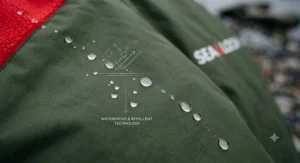
What’s particularly impressive is that choosing sustainable materials hasn’t compromised performance—the windproof properties work brilliantly during blustery conditions, and the DWR coating (plant-based and PFC-free) beads water effectively. The brand targets the gap between budget options and premium prices, offering genuine quality whilst maintaining environmental credentials.
UK reviewers appreciate the transparent sourcing information and the fact that choosing this option doesn’t mean sacrificing functionality for principles. Available in various sizes from Small through XL, with a relaxed fit that accommodates layering underneath during particularly bitter conditions.
Expert verdict: If sustainability influences your purchasing decisions and you want a robe that performs at a high level without the premium Dryrobe price tag, this hits the sweet spot. The recycled materials mean you’re not contributing to new plastic production whilst still getting a thoroughly functional product.
✅ 100% recycled materials
✅ Comparable performance to premium options
✅ Plant-based DWR coating
❌ Slightly less colour variety
❌ Availability can be limited
Price: £85-£100 range | Best for: Environmentally-conscious swimmers
Understanding Afterdrop: Why Your Changing Robe Matters More Than You Think
Here’s something they don’t mention in those inspiring Instagram posts of wild swimmers grinning in crystalline waters: the real challenge often begins after you exit. Afterdrop is the phenomenon of your body temperature continuing to drop even after you exit cold water and into a warmer environment—so that you feel colder several minutes after you exit than you did in the water.
Your body’s response to cold water immersion is remarkably sophisticated but occasionally inconvenient. Whilst submerged, your cardiovascular system prioritises keeping your core organs warm by restricting blood flow to your extremities. Once you climb out, that cold blood from your arms and legs begins circulating back towards your core, causing your internal temperature to plummet even as you’re standing in warmer air. This is why experienced wild swimmers often report feeling fine during the swim but absolutely freezing ten minutes later whilst fumbling with car keys.
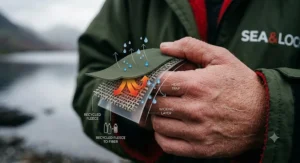
A proper thermal changing robe addresses this by creating an immediate warm microclimate around your body. The moisture-wicking lining draws water away from your skin (evaporation accelerates heat loss dramatically), whilst the waterproof outer shell blocks wind—which is particularly vicious in Britain’s maritime climate where wind chill can drop the effective temperature by 5-10°C. The oversized design traps a substantial volume of air that your body heat gradually warms, functioning as a portable heated chamber.
The safest way to rewarm is to dry off and remove wet clothes as soon as possible, dress in dry warm clothes including hat, gloves and thick socks, and have a hot drink and maybe a snack. A changing robe facilitates this entire process—you can strip off your wet gear underneath whilst already wrapped in warmth, then layer dry clothes beneath the robe before removing it entirely. This staged approach to rewarming is far safer than the common mistake of immediately jumping into a hot shower, which can cause dangerous cardiovascular stress. The UK Health Security Agency emphasises the importance of gradual rewarming to avoid afterdrop complications.
The Science Behind Effective Robe Design
The best changing robes don’t simply pile on thickness; they balance several competing factors. The outer shell needs sufficient waterproofing to handle British weather (minimum 5,000mm, ideally 10,000mm+), but excessive waterproofing without breathability traps moisture inside. That’s why premium robes specify both waterproof ratings and breathability measurements—the RED Adventure Pro EVO’s 15,000mm/8,000g specification means it keeps external moisture out whilst allowing your body’s moisture vapour to escape.
The lining material matters enormously. Synthetic fleece performs better than natural alternatives in wet conditions because it maintains insulating properties when damp and dries rapidly. The specific construction of the fleece affects performance: short-pile fleece dries faster but provides less warmth, whilst long-pile or “Sherpa” fleece offers maximum insulation but takes longer to dry completely. For British conditions where you’re often dealing with damp rather than soaking wet, medium to long-pile fleece represents the optimal compromise.
Choosing Your Changing Robe: A Decision Framework for UK Wild Swimmers
If You’re Swimming 3+ Times Weekly Year-Round
Invest in the Dryrobe Advance or RED Adventure Pro EVO. The cost-per-use calculation works in your favour when you’re using it 150+ times annually, and the superior durability means you’ll likely get 5-7 years of service. The enhanced waterproofing matters more when you’re out in all weather conditions, and the extra warmth prevents the accumulated fatigue that comes from inadequate post-swim recovery. Think of it as essential safety equipment rather than optional luxury.
If You’re Building a Swimming Habit (6-12 Months In)
Start with the Osprey Unisex Changing Robe or Wild Robes Recycled option. These provide adequate performance to determine whether wild swimming becomes a permanent part of your life without the financial commitment of premium robes. If you’re still swimming twice weekly after a full British winter, upgrade to a premium robe and keep the budget option as a spare or lend it to friends testing the waters (literally).
If You Have Children Who Wild Swim
Go with Two Bare Feet for their robes—children outgrow gear rapidly, and spending £175 on something they’ll use for 18 months makes little sense. The performance is adequate for their needs, and the variety of colours helps with identification in busy car parks. Upgrade to premium robes once they’ve reached adult sizing and the habit is firmly established.
If You’re Primarily a Fair-Weather Swimmer
The Zone3 Polar Fleece Parka offers the versatility you need. Its better wearability as an everyday coat means it doesn’t sit idle during non-swimming periods, and the quick-drying properties suit spring through autumn swimming when temperatures are less brutal. Save the premium investment for when (if) you progress to winter swimming.
If You Live in Exposed Coastal Areas
The Northcore Beach Basha Pro handles maritime conditions better than alternatives. The extra thickness compensates for wind chill, the robust construction withstands salt and sand abuse, and the waterproofing doesn’t degrade rapidly from salt exposure. Coastal conditions are genuinely harsher than inland swimming spots—your gear needs to reflect that reality.
Common Mistakes When Buying a Changing Robe (And How to Avoid Them)
Prioritising Price Over Warmth Rating
The single most frequent error new wild swimmers make is choosing the cheapest waterproof robe without considering thermal performance. A fully waterproof shell means nothing if the lining provides inadequate insulation—you’ll stay dry but remain dangerously cold. In British conditions where air temperatures often hover between 2-8°C during winter swimming season, the lining thickness matters far more than minor differences in waterproof rating. A robe with 5,000mm waterproofing and thick fleece outperforms a 15,000mm option with thin lining for the majority of UK swimming conditions.
Ignoring the British Climate Reality
Many swimmers purchase robes designed for different climates without considering that British weather involves persistent damp rather than occasional heavy rain. A robe that works brilliantly in Mediterranean conditions (brief showers between sunny spells) fails miserably during three hours of steady drizzle in the Lake District. Look specifically for breathability ratings alongside waterproofing—you need moisture vapour escaping from inside whilst blocking rain from outside. The microclimate inside a non-breathable robe becomes clammy and unpleasant during extended use.
Assuming “One Size Fits Most” Actually Fits
The oversized design of changing robes is functional rather than stylistic—you need substantial room to manoeuvre underneath whilst changing. However, “one size fits most” genuinely doesn’t fit everyone. If you’re particularly tall (over 6’2″), short (under 5’2″), or significantly above/below average build, the standard sizing may prove frustrating. A robe that’s too long drags on muddy car park ground, whilst one that’s too short leaves your legs exposed to wind. Always check the specific height and chest measurements rather than relying on generic sizing claims.
Overlooking Storage and Transport
A premium changing robe represents a significant investment, but it’s also bulky and awkward to transport. If you’re cramming it into a small car boot alongside wetsuits, tow floats, flasks, and towels, that bulk matters. Some robes compress better than others—the Zone3 Polar Fleece packs smaller than the Dryrobe Advance despite similar functionality. Consider where and how you’ll store it between swims, particularly if you’re swimming from different locations and need to keep it in your vehicle.
Neglecting UKCA Certification for Heated Options
If you’re tempted by heated changing robes (an emerging category), verify they carry proper UKCA marking for UK electrical safety standards. Some imported options designed for US or Asian markets use different voltage specifications or haven’t passed UK safety testing. A heated robe using 230V incorrectly can be dangerous, and warranty claims become complicated with non-UK-certified electrical products.
How to Maximise Your Changing Robe’s Performance in British Weather
Pre-Warming Strategy
On particularly bitter days, lay your changing robe in your car with the heating on during your swim. Putting on a pre-warmed robe rather than one that’s been sitting in a freezing car park makes a remarkable difference to afterdrop management. Some swimmers even use hot water bottles inside the robe whilst they’re in the water—unconventional, certainly, but effective for those genuinely frigid January morning dips.
Layering Beneath Your Robe
The oversized design accommodates substantial layering underneath. Pack merino wool base layers, thick socks, and a fleece to put on beneath the robe immediately after towelling off. This creates additional insulation layers whilst your body temperature stabilises. The robe then functions as the waterproof outer shell over your layering system rather than your sole source of warmth.
Maintenance for British Conditions
British weather subjects changing robes to persistent damp rather than occasional soaking, which can compromise waterproofing over time. After particularly wet sessions, hang your robe in a well-ventilated area (garage, porch, or bathroom with window open) rather than stuffing it in your boot. The DWR coating needs to dry completely between uses to maintain effectiveness. Every 6-8 months, consider reproofing treatment using products like Nikwax or Grangers—this restores water-beading properties and extends the robe’s functional lifespan considerably.
Changing Robes vs Traditional Alternatives: The Honest Comparison
Large Towel or Beach Poncho
Advantages: Significantly cheaper (£10-£25), lightweight, easy to pack, minimal storage space
Disadvantages: Provides zero wind protection, offers no thermal insulation once wet, requires gymnastic skill for changing, dignity at risk in public car parks, useless in rain
Verdict: Adequate for summer swimming in calm conditions, completely inadequate for autumn/winter or windy locations. Fine as an emergency backup but not a primary solution for regular wild swimming.
Standard Winter Coat Over Swimwear
Advantages: You already own it, no additional purchase required
Disadvantages: Coat gets soaked from your wet body, then you’re wearing wet clothes home, minimal privacy for changing, defeats the purpose of having dry clothes
Verdict: Desperation strategy that creates more problems than it solves. Your car seats get soaked, you remain cold, and you’re essentially ruining a coat that wasn’t designed for this purpose.
Wetsuit Changed in Car
Advantages: Complete privacy, protection from weather
Disadvantages: Extremely awkward in small vehicles, condensation creates damp environment, requires contortionist abilities, windows fog completely, limited ventilation means you’re breathing stale damp air
Verdict: Works in an emergency or during torrential rain, but the changing robe’s privacy combined with fresh air makes it far more pleasant for regular use.
The Total Cost of Wild Swimming Warmth: Beyond the Robe
Whilst your changing robe represents the largest single investment in post-swim warmth, several additional items create a comprehensive comfort system:
Thermal Flask (£15-£30): Hot tea or soup immediately post-swim helps internal rewarming. Stanley or Thermos brands maintain heat for 6+ hours.
Merino Wool Base Layers (£30-£60): Natural temperature regulation and moisture-wicking. Worth every penny during winter months.
Thick Wool Socks (£10-£15): Your extremities need particular attention during afterdrop. Bring multiple pairs.
Weatherproof Storage Bag (£20-£40): Protects your changing robe during transport and provides organisation for all your swim kit.
Boot Liner/Changing Mat (£15-£25): Keeps car boot clean and provides a clean surface for standing whilst changing.
Total additional investment: £90-£170 alongside your £70-£185 robe
This might seem substantial, but compare it to a gym membership (£30-£60 monthly) and the cost-per-use for regular swimmers becomes very reasonable. After one year of twice-weekly swimming, you’re looking at roughly £1.50-£3.50 per session for all equipment—less than a coffee.
Wild Swimming Safety Essentials: Staying Warm Is Staying Safe
Your changing robe is part of a broader safety system. According to UK drowning statistics, approximately 400 people drown each year, though only a small percentage occurs during actual swimming activities. The data shows that proper preparation dramatically reduces risk.
Before You Swim
Check water quality using the Surfers Against Sewage Safer Seas and Rivers Service app which provides up-to-date information about sewage releases. The Environment Agency’s Swimfo website monitors over 450 designated bathing waters in England between May and September. Avoid swimming 48 hours after heavy rain when pollution peaks.
Verify swimming location legality — not all water bodies permit swimming, and trespassing creates problems for the entire wild swimming community. England has 451 designated bathing waters that are officially monitored and considered safer options.
Assess conditions including current strength, water temperature, and weather forecast. Your changing robe addresses post-swim warmth, but it can’t compensate for poor in-water decisions.
During Your Swim
Avoid swimming alone, and if swimming with a friend isn’t possible then trail a bright tow float behind you on a cord and wear a colourful swim hat. The few pounds for a tow float could save your life. According to guidance from the Royal Yachting Association on cold water shock, entering the water gradually is essential to avoid dangerous involuntary reflexes.
Enter gradually rather than plunging, which helps manage cold water shock. Your body needs time to adapt to temperature change.
Know your limits — cold water impairs judgement and swimming ability faster than you expect. Exit before you feel truly cold.
After Your Swim
Dry off and remove wet clothes as soon as possible, dress in dry warm clothes including hat, gloves and thick socks, and have a hot drink and snack. This is where your changing robe proves essential.
Wait before driving — hypothermia affects reaction time and decision-making. Sit in your warmed car for 10-15 minutes whilst your core temperature stabilises.
Monitor for hypothermia symptoms including uncontrollable shivering, confusion, slurred speech, or loss of coordination. These require immediate medical attention.
Frequently Asked Questions
❓ Are changing robes actually waterproof enough for British winter rain?
❓ Can I use my changing robe as a regular winter coat in the UK?
❓ How do I prevent my changing robe developing a damp smell?
❓ What's the minimum waterproof rating needed for UK conditions?
❓ Do heated changing robes actually work for wild swimming?
Conclusion: Investing in Your Wild Swimming Future
Standing beside a mist-shrouded tarn at dawn, or watching waves crash against rocks whilst you’re parked at a windswept beach, the question isn’t whether you need a changing robe—it’s which one matches your specific swimming journey. The difference between shivering miserably through afterdrop and actually enjoying your post-swim glow often comes down to those critical ten minutes after you exit the water.
For committed year-round swimmers tackling British conditions in all their damp, windy glory, the Dryrobe Advance or RED Adventure Pro EVO represent investments in safety and comfort that pay dividends every single swim. The superior waterproofing, enhanced insulation, and proven durability mean you’re sorted for 5+ years of regular use—that’s potentially 500+ swims where you’ll appreciate the extra warmth.
Those building a wild swimming habit or swimming primarily during milder months will find the Osprey, Wild Robes, or Zone3 options provide excellent performance without the premium outlay. You can always upgrade once you’ve confirmed that plunging into cold water before breakfast is definitely your sort of madness.
Families introducing children to wild swimming should prioritise the Two Bare Feet range—the affordability allows equipping everyone without financial stress, and the variety of colours prevents mix-ups in busy car parks.
Ultimately, the best changing robe for wild swimming is the one you’ll actually use consistently. British wild swimming offers remarkable mental and physical benefits, but only if you maintain the habit long-term. Nothing kills enthusiasm faster than dreading the post-swim misery of inadequate warmth. Your changing robe isn’t merely kit—it’s what allows you to keep returning to the water, building the consistency that transforms occasional dips into a genuine lifestyle.
The water’s waiting. Make sure you’re properly equipped to enjoy what comes after.
Recommended for You
- 7 Best Heated Thermal Base Layers UK 2026: Stay Warm Outdoors
- 7 Best Rechargeable Hand Warmers UK 2026
- 7 Best Heated Socks for Winter Hiking UK 2026
Disclaimer: This article contains affiliate links. As an Amazon Associate, I earn from qualifying purchases. If you purchase products through these links, we may earn a small commission at no additional cost to you.
✨ Found this helpful? Share it with your mates! 💬🤗
