
In This Article
Choosing the best multifuel stove for your British home needn’t feel like navigating a maze of technical jargon and conflicting advice. Whether you’re replacing an ageing open fireplace in a Victorian terrace or installing your first wood burner in a modern semi, the right multifuel stove can transform your living space whilst slashing heating bills during those long, damp British winters.
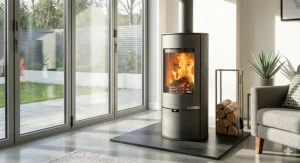
The multifuel stove market in 2026 offers remarkable choice, but that abundance can overwhelm. You’ll encounter DEFRA-approved models, EcoDesign-compliant units, cast iron versus steel construction debates, and heat output ratings ranging from modest 4kW to robust 10kW options. What most buyers don’t realise is that the “best” stove isn’t determined solely by efficiency ratings or price tags—it’s the one that matches your specific circumstances: your room size, your home’s insulation quality, whether you live in a smoke control area, and crucially, the unpredictable British climate that demands both reliability and fuel versatility.
I’ve spent considerable time researching the current UK market, examining real customer feedback from British buyers, and analysing how these stoves perform in our particular conditions—where a fortnight of biblical rain can dampen even the driest kiln-dried logs, and where compact living spaces mean every centimetre counts. According to Which? research on home heating, wood-burning and multifuel stoves remain popular despite tightening regulations, but choosing the right model requires careful consideration. This guide cuts through the marketing fluff to help you find a multifuel stove that’ll actually serve you well over the next decade, not just look pretty in the showroom.
Quick Comparison: Top Multifuel Stoves at a Glance
| Model | Heat Output | Construction | DEFRA Approved | Price Range | Best For |
|---|---|---|---|---|---|
| NRG 5kW Eco Design | 5kW | Cast iron door, steel body | ✅ Yes | £250-£300 | Budget-conscious buyers |
| RoyalFire 4.2kW Steel ECO | 4.2kW | Steel | ✅ Yes | £350-£400 | Small to medium rooms |
| Hamlet Solution 5 Compact | 4.8kW | Steel body, cast iron door | ✅ Yes | £500-£780 | Compact spaces |
| RoyalFire 5kW Cast Iron | 5kW | Solid cast iron | ✅ Yes | £400-£500 | Traditional aesthetics |
| NRG Modern 5kW | 5kW | Cast iron door, steel | ✅ Yes | £550-£650 | Contemporary homes |
| Mazona Warwick 5kW | 5kW | Steel with glass front | ✅ Yes | £450-£600 | Airwash enthusiasts |
| Saltfire ST-X4 | 4.1kW | Thick steel, cast iron door | ✅ Yes | £400-£550 | Eco-conscious buyers |
💬 Just one click — help others make better buying decisions too!😊
✨ Don’t Miss These Exclusive Deals!
🔍 Take your home heating to the next level with these carefully selected products. Click on any highlighted item to check current pricing and availability on Amazon.co.uk. These picks will help you find exactly what you need!
Top 7 Multifuel Stoves: Expert Analysis for UK Homes
1. NRG 5kW Eco Design Stove – Outstanding Value for Smoke Control Areas
The NRG 5kW Eco Design stove punches well above its weight class, delivering DEFRA-approved performance at a price that makes premium brands rather uncomfortable. With a compact footprint (584 x 445 x 327mm) and solid cast iron construction, it’s designed specifically for the realities of British living—tight fireplace openings, smoke control zones, and buyers who demand efficiency without the luxury price tag.
This model achieves 79.5% efficiency when burning wood, which translates to more heat from each log and fewer trips to replenish your woodpile during those damp February evenings. The triple air system (primary, secondary, and tertiary) ensures complete combustion, whilst the top and rear flue options provide installation flexibility that’s invaluable when dealing with older British properties where chimney configurations can be, shall we say, creative. What’s particularly clever is the external riddling grate for solid fuel burning, allowing you to clear ash without opening the door and losing heat—rather handy when you’re trying to maintain overnight burns.
UK buyers consistently praise its heating capability for spaces up to 50m², which comfortably covers most British living rooms and open-plan ground floors. The 5kW output might seem modest on paper, but in our well-insulated modern builds, it’s often more than sufficient. In fact, oversizing is a common mistake—a 7kW or 8kW stove in a typical semi-detached home will have you opening windows in January, defeating the entire purpose.
Pros:
✅ Exceptional value at around £260—difficult to match for DEFRA-approved quality
✅ 79.5% efficiency rating extracts maximum heat from every log
✅ Compact dimensions suit tight UK fireplace openings and smaller rooms
Cons:
❌ Basic aesthetics won’t impress design magazine readers
❌ Some reports of glass cracking during first burns (though rare and covered by warranty)
The NRG represents brilliant value for first-time stove buyers or those replacing older, inefficient models. You’re getting modern EcoDesign compliance and smoke control area approval at half the cost of comparable Scandinavian brands. For practical British homeowners who prioritise function over form, it’s rather difficult to fault.
2. RoyalFire 4.2kW DEFRA Steel ECO – The Sweet Spot for Standard Living Rooms
Positioned in the mid-£300s, the RoyalFire 4.2kW offers what I’d call sensible British engineering—nothing flashy, but everything you actually need. The steel construction keeps weight manageable (important when you’re manoeuvring it into a Victorian terraced house with narrow doorways), whilst the brass handles add a touch of traditional charm without veering into pastiche.
This model’s 4.2kW output might initially seem underpowered, but here’s what the manufacturers won’t tell you: in the damp British climate, a stove that’s “just right” beats one that’s oversized. The 4.2kW rating is ideal for rooms around 20-25m², which covers most British living rooms beautifully. Running at optimal capacity means cleaner burns, less creosote buildup, and significantly better fuel economy than constantly damping down a larger stove.
The removable ash pan is one of those features you don’t appreciate until you’ve experienced its absence—it transforms weekly maintenance from a dusty ordeal into a five-minute job. British buyers particularly value the dual flue positioning (top or rear), which has saved countless installations in homes where the chimney breast doesn’t quite align where you’d expect it to. The inclusion of approximately 10-12kg of kiln-dried logs and 1.5kg of kindling is a thoughtful touch that gets you started properly—using dry, Ready to Burn certified wood from day one establishes good habits.
Pros:
✅ 4.2kW output perfectly matched to typical British living room dimensions
✅ Dual flue options solve awkward installation challenges in older homes
✅ Brass handles and clean lines suit both traditional and contemporary interiors
Cons:
❌ Steel construction doesn’t retain heat quite as long as cast iron equivalents
❌ Not suitable for larger, open-plan spaces that have become popular in modern extensions
Customer feedback from UK buyers reveals strong satisfaction with heat output and fuel efficiency. The steel body heats up faster than cast iron models, which means you’ll feel the warmth within 15-20 minutes of lighting—ideal for occasional use rather than continuous burning. For around £360-£400, you’re getting DEFRA compliance, EcoDesign certification, and a stove that’ll comfortably handle a decade of regular use in British conditions.
3. Hamlet Solution 5 Compact – British-Designed Excellence for Tight Spaces
The Hamlet Solution 5 Compact emerges from Devon workshops and it shows—this is a stove designed by people who understand British homes, British weather, and British expectations. With dimensions of just 397mm wide and 387mm deep, it slots into fireplace openings that would reject bulkier continental models, making it invaluable for terraced houses, flats, and properties where every millimetre of floor space matters.
Despite its compact proportions, the 4.8kW output delivers genuine warmth. I’ve seen customer reports of this model heating 35m² living rooms without breaking a sweat, which is rather impressive given its diminutive footprint. The efficiency rating of up to 82.5% places it among the best performers in the UK market—that’s more heat from less wood, which matters considerably when kiln-dried hardwood costs what it does in 2026. The preheated airwash system genuinely works, maintaining clear glass even during heavy use, which elevates this beyond mere heating appliance into genuine focal point.
What British buyers consistently praise is the build quality and attention to detail. The cast iron door provides excellent heat retention, whilst the steel body keeps overall weight sensible for installation. The externally controlled riddling grate allows fuel-type flexibility that’s increasingly important as coal availability diminishes and smokeless fuels vary regionally. For those in smoke control areas—which encompasses most British urban centres—the DEFRA approval isn’t optional; it’s essential. This stove delivers it whilst maintaining the performance you’d expect from a non-restricted model.
The Hamlet also offers something rather unexpected in this price bracket: colour choice. From classic black through to bold contemporary shades via Arada’s Bold Edit range, you can genuinely match this to your interior scheme. Most stoves offer black or… black. The versatility here shouldn’t be underestimated, particularly for design-conscious buyers in modern builds.
Pros:
✅ Genuinely compact dimensions (397 x 387mm) fit where others simply won’t
✅ British-designed in Devon with 10-year warranty demonstrating confidence
✅ 82.5% efficiency extracts exceptional value from every log burnt
Cons:
❌ Premium pricing (£500-£780) reflects British manufacturing costs
❌ Smaller firebox means more frequent refuelling during overnight burns
The Hamlet represents what you get when British engineering focuses on a problem—compact British homes with restrictive fireplace openings—and solves it properly. The price sits higher than imported alternatives, but you’re buying genuine quality, UK-based support, and a decade-long warranty. For smaller spaces in smoke control zones, it’s rather difficult to identify a superior option.
4. RoyalFire 5kW Cast Iron – Traditional Aesthetics with Modern Performance
Solid cast iron construction defines the RoyalFire 5kW Cast Iron model, delivering the heat retention properties and traditional presence that steel alternatives simply can’t match. Weighing in at a substantial 66kg, this isn’t a stove you’ll be shifting around casually—but that mass serves a purpose, storing thermal energy and radiating warmth long after the flames have died down.
The full cast iron body excels in the British climate where steady, consistent heat proves more valuable than rapid temperature swings. During those long winter evenings when you’re maintaining a fire from 6pm through to midnight, cast iron’s superior heat retention means less frantic stoking and more predictable warmth. The dual flue positioning (top or rear) provides installation flexibility that’s saved countless projects in older British properties where chimney configurations follow their own logic.
What’s particularly noteworthy is the air vent control system, which allows surprisingly fine adjustment of burn rate. In practice, this means you can dial in the exact heat output required—running hot during bitter January cold snaps, then backing off during milder autumnal evenings without producing smoke. The DEFRA approval ensures legality in smoke control zones, whilst the EcoDesign compliance guarantees you’re buying a stove that meets 2026 environmental standards rather than yesterday’s technology.
British buyers appreciate the traditional brass handles and classic styling that complement Victorian and Edwardian properties beautifully. The removable ash pan simplifies maintenance considerably—in my experience, buyers who’ve struggled with fixed grates swear they’ll never return to that particular form of domestic torture.
Pros:
✅ Solid cast iron construction provides superior heat retention for extended warmth
✅ 5kW output suits most British living rooms without oversizing
✅ Traditional aesthetics complement period properties authentically
Cons:
❌ 66kg weight requires assistance during installation
❌ Slower to reach operating temperature than steel alternatives
Priced around £400-£500, this represents excellent value for buyers prioritising longevity and traditional aesthetics. The cast iron will outlast steel equivalents by years, potentially decades with proper maintenance. For period properties in smoke control areas where authentic looks matter as much as heating performance, the RoyalFire cast iron delivers on both counts.
5. NRG Modern Multifuel 5kW – Contemporary Design Meets Clean Burning
The NRG Modern 5kW stove addresses a growing segment of the British market: homeowners in contemporary builds who want clean heating without traditional styling. With its cast iron door and steel body combination, this model balances modern aesthetics with practical performance, achieving 76.9% efficiency when burning wood—respectable by any measure.
The specification reveals thoughtful engineering: primary, secondary, and tertiary air systems ensure complete combustion, maximising heat extraction whilst minimising emissions to just 0.10% CO—well within both DEFRA and EcoDesign requirements. This matters considerably in urban British settings where neighbours are close and clean burning isn’t just environmentally responsible; it’s good manners. The 5kW nominal output handles up to 50m² effectively, which covers most modern open-plan ground floors without difficulty.
What distinguishes this model from traditional stoves is the large glass viewing area (215 x 265mm), which provides genuinely impressive flame views. The airwash system maintains clarity even during extended burns, transforming the stove from heating appliance into living room centrepiece. British buyers in new builds consistently praise how well this integrates with contemporary interiors whilst delivering genuine warmth.
The dimensions (583 x 425 x 335mm) suit modern fireplace openings designed around current building regulations. External air compatibility means you can draw combustion air from outside rather than your heated living space—increasingly important in tightly sealed modern builds where ventilation matters. The top and rear flue options provide installation flexibility, whilst the included 5-inch collar simplifies connection to standard flue systems.
Pros:
✅ Modern styling suits contemporary British homes and new builds
✅ Large viewing glass (215 x 265mm) provides impressive flame display
✅ 76.9% efficiency with just 0.10% CO emissions delivers clean, effective heating
Cons:
❌ Contemporary aesthetics won’t suit traditional or period properties
❌ At 55kg, still requires assistance for safe installation
Customer feedback from British buyers highlights reliability and ease of use. The steel body heats rapidly—within 15-20 minutes you’ll notice genuine warmth—whilst the cast iron door provides focal-point presence. Priced around £550-£650, it occupies the premium end of the budget category, but you’re getting genuinely modern engineering and aesthetics rather than just a repainted traditional design.
6. Mazona Warwick 5kW – Airwash System Excellence for Visual Impact
The Mazona Warwick 5kW brings something rather special to the British multifuel stove market: exceptional flame visibility combined with practical heating performance. The imposing black alloy steel body with expansive glass front creates dramatic visual impact, whilst the advanced airwash system genuinely delivers on its promise of crystal-clear viewing even during heavy use.
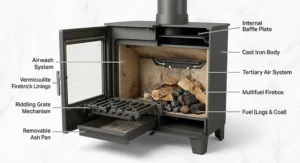
What sets the Warwick apart is how seriously Mazona takes the viewing experience. The airwash system draws cool air from outside, heats it within the stove, then directs it across the glass interior surface in a controlled curtain. This prevents soot and tar deposits from forming, maintaining clarity that lesser systems simply can’t match. For British buyers who value the ambience of visible flames—and let’s be honest, that’s most of us—this technology proves its worth repeatedly throughout the heating season.
The 5kW output handles rooms up to 50m² comfortably, which encompasses most British living spaces without difficulty. EcoDesign compliance ensures this stove meets 2026’s stringent emissions requirements, whilst DEFRA approval permits use throughout UK smoke control areas. The efficiency rating delivers solid fuel economy, though the exact percentage varies depending on fuel type and burning technique.
British buyers particularly appreciate the steel construction’s rapid heat-up time. Unlike cast iron models that require 30-40 minutes to reach operating temperature, the Warwick starts radiating useful heat within 15-20 minutes of lighting. For occasional users who fire up the stove only during particularly cold snaps, this responsiveness proves invaluable. The construction quality impresses—this feels substantial and well-engineered rather than budget-compromised.
Pros:
✅ Advanced airwash system maintains genuinely clear glass for flame viewing
✅ Steel construction provides rapid heat-up for occasional use patterns
✅ Imposing visual presence suits larger rooms and open-plan spaces
Cons:
❌ Steel body doesn’t retain heat as long as cast iron after fire dies down
❌ Premium pricing (£450-£600) reflects advanced airwash technology
The Mazona represents a sensible choice for buyers who prioritise the visual and ambient aspects of stove ownership alongside practical heating. If you’re installing a stove partly for the hygge factor—sitting with a glass of wine watching flames dance—the Warwick’s viewing clarity justifies the premium. For around £450-£600, you’re getting reliable British-market engineering with technology that genuinely enhances the ownership experience.
7. Saltfire ST-X4 – Ultra-Clean Burning for Eco-Conscious Buyers
The Saltfire ST-X4 emerges from extensive research and development in Dorset labs, delivering what might be the cleanest-burning multifuel stove available to British buyers in 2026. With 4.1kW output and approximately 80% efficiency, it targets eco-conscious homeowners seeking minimal environmental impact without sacrificing warmth.
This model exceeds DEFRA exemption standards comfortably, making it suitable for even the most stringent UK smoke control zones. The precision-welded thick steel body with cast iron door and thermo-refractory fire brick inner linings ensures durability that’ll outlast budget alternatives by years. Saltfire’s Cleanburn technology achieves efficiency ratings up to 83.9% across their range, and the ST-X4 demonstrates this engineering philosophy clearly.
What’s particularly impressive is the compact size combined with genuine heating capability. At 4.1kW, it suits smaller British living spaces perfectly—period terraced houses, modern flats, cottages, and anywhere you’re heating 20-30m² efficiently. The steel construction heats rapidly whilst the cast iron door provides focal-point presence and heat retention. The airwash technology keeps glass clear for flame viewing, transforming functional heating into genuine ambience.
British buyers in smoke control areas find the ST-X4’s ultra-low emissions particularly reassuring. When your neighbours are close—typical in British urban and suburban settings—clean burning isn’t just environmental responsibility; it’s social consideration. This stove delivers heat without producing the smoke that causes neighbourly friction or regulatory attention.
The compact footprint suits British homes where space remains perpetually precious. Installation flexibility comes via multiple flue options, whilst the straightforward controls simplify operation for less experienced stove users. Saltfire backs this with a three-year manufacturer warranty, demonstrating confidence in their engineering.
Pros:
✅ Ultra-clean burning exceeds DEFRA requirements comfortably
✅ Compact 4.1kW output perfectly matched to smaller British living spaces
✅ Precision engineering with thermo-refractory linings ensures longevity
Cons:
❌ 4.1kW may prove insufficient for larger rooms or open-plan layouts
❌ Premium pricing (£400-£550) for a compact output stove
The Saltfire represents intelligent engineering focused on modern priorities: environmental responsibility, smoke control compliance, and compact British living. Priced around £400-£550, it sits firmly in the quality bracket where you’re buying genuine Dorset engineering rather than rebranded imports. For eco-conscious buyers in smoke control areas heating smaller spaces, it’s genuinely difficult to identify a cleaner-burning alternative.
How to Size Your Multifuel Stove Correctly for British Homes
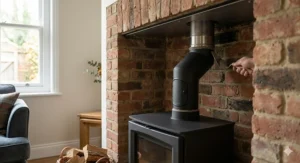
Getting the heat output right matters more than most buyers realise, and the British climate creates specific considerations that don’t apply elsewhere. The standard calculation suggests 1kW heats approximately 10m² of space, but this oversimplifies significantly. A 25m² living room in a Victorian terrace with single-glazed sash windows demands considerably more heat than the same area in a modern new-build with triple glazing and 300mm wall insulation.
Calculate Your Actual Requirements:
- Measure your room dimensions – multiply length × width for floor area in square metres
- Assess insulation quality – poor (pre-1920s unimproved), fair (1920s-1990s), good (post-2000 regulations)
- Consider ceiling height – standard 2.4m is one thing; Victorian 3.2m ceilings are quite another
- Account for connected spaces – open-plan layouts or open doorways significantly increase volume
Here’s what actually works in British conditions: for a well-insulated modern home, the 1kW per 10m² rule holds. For fair insulation (most British housing stock), budget 1.2-1.5kW per 10m². For poorly insulated period properties, you’re looking at 1.5-2kW per 10m² to achieve comfort. A 25m² living room in a Victorian terrace might genuinely need 5-6kW, whilst the same space in a modern build could be comfortable with 3-4kW.
Oversizing proves surprisingly problematic. A 8kW stove in a 30m² modern living room will force you to run it permanently damped down—doors closed, air vents restricted—which creates incomplete combustion, smoke, and rapid creosote buildup. You’ll spend more on chimney sweeping and achieve worse fuel efficiency than with a properly sized 4-5kW model. In my experience advising British buyers, undersizing by 1kW beats oversizing by 2kW every time.
Real-World Performance: What to Expect in British Conditions
The specifications look impressive on paper, but how do these stoves actually perform during a damp February when you’ve been battling biblical rain for a fortnight and your logs aren’t quite as dry as they should be? British conditions test stoves differently than continental European or Scandinavian climates where cold is reliable but dry.
Wet Weather Considerations:
Even kiln-dried logs absorb atmospheric moisture during British winters. What left the supplier at 15% moisture content can easily climb to 20-22% after two weeks in your garage during persistent rain. This matters because wetter wood produces more smoke, less heat, and increased creosote. Modern DEFRA-approved stoves handle this better than older models—the tertiary air systems and improved combustion chambers extract more heat from imperfect fuel—but physics remains physics. You’ll notice perhaps 10-15% reduced heat output and slightly dirtier glass when burning wood that’s absorbed moisture.
Storage Solutions:
British buyers must think creatively about dry storage. A dedicated log store with good ventilation trumps garden sheds or garages where damp persists. Position logs away from walls, stack them loosely for airflow, and cover the top whilst leaving sides open. Bring inside logs at least 48 hours before burning—sitting near (not on) the stove allows final moisture evaporation. This simple step transforms performance noticeably.
Overnight Burning Reality:
Manufacturers often tout overnight burning capabilities, but British experience reveals nuance. DEFRA-approved stoves maintain minimum airflow even when damped down—it’s what makes them smoke-free. This limits overnight burn times compared to non-DEFRA equivalents. Realistically, expect 6-8 hours from a full load of dense hardwood with careful damping. Softwood or less-than-perfect logs might give you 4-6 hours. The morning embers should be sufficient to restart without kindling, but claims of 12-hour burns are rather optimistic in DEFRA-compliant models.
Multifuel Stove Maintenance: The British Homeowner’s Reality
Maintenance demands prove less onerous than nervous first-time buyers imagine, but British conditions create specific requirements worth understanding before purchase. The damp climate accelerates certain wear patterns whilst our shorter burning season (typically October through March) alleviates others.
Weekly Tasks During Burning Season:
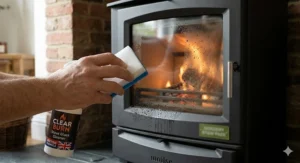
Empty the ash pan before it reaches half-full—overfilled pans reduce airflow beneath the grate, compromising combustion efficiency. This typically means weekly emptying with regular use. Clean the glass using stove glass cleaner or dampened newspaper dipped in ash (traditional but effective). Check the door seal remains intact and properly seated—a compromised seal allows air leakage that reduces efficiency noticeably.
Monthly Maintenance:
Inspect the baffle plate inside the firebox—this deflects heat downward for better combustion but can warp or crack over time. Clean out the flueway (the path smoke takes before entering the chimney) using a stiff brush. Remove any accumulated ash or debris from air intake vents. Check external paintwork for any rust spots, particularly around seams and joints where moisture penetrates—our damp climate proves harsh on steel stoves without proper care.
Annual Professional Service:
British Building Regulations require annual chimney sweeping for solid fuel appliances, and this genuinely matters. Creosote buildup creates chimney fire risk, whilst soot reduces draught efficiency. Budget £60-£100 for professional sweeping by a HETAS-registered sweep who’ll also inspect flue integrity. During summer months when the stove sits idle, consider leaving doors slightly ajar to prevent moisture accumulation inside the firebox—British humidity can cause surface rust surprisingly quickly on neglected interiors.
Case Study: Matching Stoves to British Living Situations
The London Flat Owner: Sarah lives in a converted Victorian terrace flat in Islington—smoke control area, limited storage, compact living room (22m²). She chose the Hamlet Solution 5 Compact specifically for its diminutive dimensions and DEFRA approval. The 4.8kW output heats her space comfortably without overwhelming it, whilst the compact footprint leaves precious floor space undisturbed. Log storage proved challenging—she solved this with a wall-mounted rack holding three days’ supply, replenishing from a local supplier offering kiln-dried hardwood in smaller quantities. The preheated airwash system maintains clear glass despite London’s air quality challenges.
The Rural Cottage Dweller: James and Emma renovated a 1850s Cotswolds cottage with thick stone walls but limited insulation. Their 30m² sitting room has 3m ceilings and original single-glazed windows. They selected the RoyalFire 5kW Cast Iron for its superior heat retention—essential when battling heat loss through stone walls. The cast iron radiates warmth for hours after the fire dies down, carrying them through evenings without constant stoking. They installed a substantial log store outside with 12 months’ seasoned hardwood supply, rotating stock to maintain optimal dryness. The traditional aesthetics complement their period property beautifully.
The Modern Semi Family: The Johnsons in a 2018-built semi-detached home near Manchester have an open-plan ground floor (45m²) with excellent insulation. They chose the NRG Modern 5kW for its contemporary styling and rapid heat-up. The steel construction means they can light the stove on cold evenings and feel warmth within 20 minutes—perfect for their lifestyle where the stove supplements rather than replaces central heating. The external air connection works brilliantly in their tightly sealed modern build, preventing the stove from stealing warm air from the living space. They burn primarily in November through February, storing logs in their garage with a dehumidifier running.
Common Mistakes When Buying a Multifuel Stove in the UK
Ignoring Smoke Control Area Requirements: Remarkably, buyers still purchase non-DEFRA stoves for properties in smoke control zones, discovering their illegality only when neighbours complain or building control intervenes. Before purchasing anything, verify your status at https://uk-air.defra.gov.uk/sca/. All major British cities and most towns maintain smoke control designation—DEFRA approval isn’t optional; it’s legally required.
Overlooking Installation Costs: A £300 stove becomes considerably less attractive when professional installation adds £1,200-£2,000. Budget for HETAS-registered installation (legally required for Building Regulations compliance), chimney lining if needed (common in older properties), hearth construction or modification, and any necessary structural work. Many British buyers focus exclusively on stove price, then experience installation cost shock that derails their entire project.
Choosing on Aesthetics Alone: That gorgeous Danish design stove with the curved glass might look spectacular in showrooms, but if it delivers 8kW into your 25m² living room, you’ll be perpetually uncomfortable. British buyers must prioritise appropriate sizing over appearance. You can find attractive stoves in every output rating—start with your heating requirements, then select the best-looking option within that specification.
Underestimating Fuel Storage Needs: A multifuel stove burning regularly consumes surprising quantities of wood. Budget for 3-4 cubic metres of storage for a winter’s supply (October-March). This equates to roughly 2-3 tons of logs requiring weather-protected, ventilated storage. British buyers in terraced houses or flats often discover their beautiful new stove becomes impractical due to storage limitations.
Burning Inappropriate Fuels: Traditional house coal is illegal for domestic use in Britain since 2023. Burning it damages your stove (many manufacturers void warranties for coal use), produces excessive smoke, and risks prosecution in smoke control areas. Stick to kiln-dried wood with <20% moisture content or DEFRA-approved smokeless fuels. British buyers accustomed to older stoves must adapt to current regulations and fuel restrictions.
Multifuel Stoves vs Gas Fires: The British Comparison
British buyers often wrestle with this decision, particularly during renovations when both options remain viable. Each technology suits different circumstances, and understanding the genuine trade-offs matters more than marketing claims from either camp.
Heating Performance: A 5kW multifuel stove produces similar heat output to a 5kW gas fire, but the distribution differs markedly. Stoves radiate heat in all directions, warming the room through convection and radiation. Gas fires typically direct heat forward, which can create temperature gradients in larger spaces. In British living rooms where you’re often sitting some distance from the heat source, stoves generally provide more even warmth.
Running Costs: This proves surprisingly complex. Kiln-dried hardwood costs approximately £120-£150 per cubic metre delivered in 2026. A typical British winter (October-March) burning most evenings consumes 2-3 cubic metres, equating to £240-£450 for the season. Gas fires running comparable hours cost roughly £300-£500 depending on your tariff and usage patterns. The margins are tighter than many realise, though stove users can reduce costs by sourcing wood more creatively or processing their own.
Convenience Factor: Gas fires win decisively on convenience—press a button, instant heat, press again, it stops. Multifuel stoves demand physical engagement: sourcing fuel, carrying logs, lighting fires, cleaning ash, maintaining glass, annual sweeping. For time-poor British families or elderly homeowners, this workload matters considerably. However, many buyers find the ritual therapeutic rather than onerous—it’s about lifestyle preference, not objective superiority.
Environmental Considerations: Both technologies carry environmental costs, but multifuel stoves burning sustainably sourced British hardwood offer carbon neutrality that gas cannot match. The trees absorbed CO₂ during growth, releasing it during combustion—a closed loop. Gas fires burn fossil fuels with associated carbon emissions. EcoDesign-compliant stoves achieve remarkably clean combustion with minimal particulate emissions when properly operated with dry wood.
Installation and Regulations: Gas fires require Gas Safe registered installation and annual servicing—costs that accumulate over decades. Multifuel stoves need HETAS installation and annual sweeping. Both face building regulations compliance, though stove installation often proves more disruptive initially. British buyers must factor professional costs into both options realistically.
UK Regulations: DEFRA, EcoDesign, and Building Requirements Explained
The regulatory landscape surrounding multifuel stoves in Britain has tightened considerably, and understanding these rules prevents expensive mistakes. As of 2026, three main frameworks govern what you can burn, where, and how.
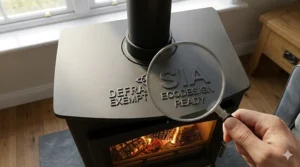
DEFRA Smoke Exemption: The Clean Air Act 1993 established smoke control areas throughout Britain, predominantly in urban centres but also designated portions of many towns. Within these areas, you cannot emit smoke from chimneys except when burning authorised fuels in exempt appliances. DEFRA-exempt stoves (commonly called “DEFRA-approved”) have passed testing demonstrating they burn wood cleanly enough for smoke control area use. The stoves incorporate design features ensuring minimum airflow even when damped down, preventing the smoky smouldering that plagued older models. Check your local authority’s environmental health department to verify smoke control status—assumptions prove dangerous here. According to data from DEFRA, wood-burning stoves accounted for 38% of particulate matter smaller than 2.5 microns (PM2.5) in 2019, driving the push for cleaner-burning technology.
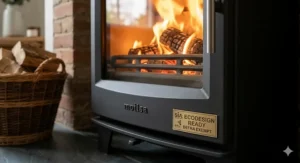
EcoDesign 2022 Requirements: Since January 2022, all new solid fuel stoves sold in Britain must meet stringent EcoDesign standards for efficiency and emissions. These regulations mandate minimum 75% efficiency (though most modern stoves exceed 79%), maximum emissions for particulate matter, carbon monoxide, nitrogen oxides, organic gaseous compounds, and specific seasonal efficiency requirements. In practice, EcoDesign-compliant stoves burn significantly cleaner than pre-2022 models whilst extracting more heat from less fuel. The testing regime proves rigorous—manufacturers cannot simply claim compliance; independent laboratory verification is required.
Building Regulations Compliance: Installing a multifuel stove triggers Part J (combustion appliances and fuel storage) and Part L (conservation of fuel and power) of Building Regulations. Key requirements include: minimum hearth dimensions and protection, adequate combustion air supply (particularly relevant in modern, tightly sealed homes), appropriate flue sizing and installation, and minimum clearances to combustible materials. Professional HETAS-registered installation satisfies these requirements whilst providing the certification required for buildings insurance and property sales. DIY installation, whilst technically possible for competent individuals, carries significant risks around compliance, insurance validity, and future complications during property transactions.
The Practical Impact for British Buyers: Choose DEFRA-approved, EcoDesign-compliant stoves installed by HETAS professionals. This combination ensures regulatory compliance, insurance validity, and optimal performance. Cutting corners on any element creates future problems that typically cost more to resolve than doing it properly initially. British building regulations exist for good reasons—our housing stock’s age and variety create genuine safety considerations that standardisation addresses effectively.
Long-Term Value: Total Cost of Ownership in British Conditions
The sticker price on Amazon.co.uk represents perhaps 40-50% of your actual five-year cost of ownership. Understanding the genuine financial commitment prevents buyer’s remorse and helps identify where investing more upfront saves considerably over time.
Initial Costs (Year 1):
- Stove purchase: £250-£780 depending on model
- Professional HETAS installation: £1,200-£2,000 (includes labour, flue lining if needed, hearth work)
- Chimney sweeping: £70-£100
- Initial fuel stock: £250-£400 for season’s wood supply
- Accessories: £100-£200 (log basket, fireproof gloves, ash bucket, stove thermometer)
Total Year 1: £1,870-£3,480 realistically
Ongoing Annual Costs (Years 2-10):
- Fuel: £240-£450 per heating season
- Annual chimney sweeping: £70-£100
- Replacement parts: £20-£50 averaged (door seals, glass, rope gasket every few years)
- Occasional maintenance: £50-£100 (flue repairs, repainting, etc.)
Total Per Year: £380-£700
Over ten years, your £300 budget stove generates total costs around £5,120-£9,280, whilst a £700 premium model costs approximately £5,520-£9,680. The difference—roughly £400-£500 over a decade—represents about 8% of total ownership cost. This context matters because it reveals that obsessing over £100-£200 stove price differences whilst ignoring installation quality or fuel sourcing strategy fundamentally misallocates attention.
Value Retention and Property Impact: Quality multifuel stoves add appeal to British properties, though genuine monetary value proves difficult to quantify. Estate agents suggest well-installed stoves in period properties enhance desirability, potentially reducing time-to-sale. In rural areas where mains gas remains unavailable, stoves provide practical heating backup that buyers value tangibly. Modern builds in urban areas see less impact—buyers here often view stoves as lifestyle features rather than heating necessities.
The Fuel Economics Question: British buyers burning 2.5 cubic metres of kiln-dried hardwood annually spend approximately £300-£375 at 2026 prices. Gas central heating for comparable supplementary heat costs £250-£400 depending on tariff and usage. The economics favour gas slightly, but the margin narrows when you factor in gas boiler servicing costs (£80-£120 annually) that stove users avoid. Many British households combine both—central heating as primary system, multifuel stove for evening ambience and supplementary warmth in main living areas. This hybrid approach maximises comfort whilst moderating fuel costs effectively.
Frequently Asked Questions
❓ Are multifuel stoves legal in all UK areas?
❓ What's the difference between 4kW and 5kW stoves for British homes?
❓ Can I burn coal in a multifuel stove?
❓ How often do British homes need chimney sweeping with multifuel stoves?
❓ Do multifuel stoves work with existing fireplaces in Victorian homes?
Conclusion: Choosing Your Best Multifuel Stove for British Conditions
The best multifuel stove for your British home depends entirely on your specific circumstances rather than abstract notions of quality or prestige. A £260 NRG model in a well-matched installation outperforms a £780 premium stove incorrectly sized or poorly maintained. Success stems from understanding your requirements clearly, then selecting the appropriate technology rather than the most expensive or aesthetically appealing option.
For budget-conscious buyers in smoke control areas heating standard living rooms, the NRG 5kW Eco Design delivers exceptional value with genuine DEFRA compliance and EcoDesign certification at around £260. Those prioritising compact dimensions for tight spaces should examine the Hamlet Solution 5 Compact, where British engineering solves British housing challenges effectively despite premium pricing. Buyers seeking traditional cast iron aesthetics and heat retention will appreciate the RoyalFire 5kW Cast Iron at around £400-£500, whilst eco-conscious homeowners in smoke control zones should consider the Saltfire ST-X4 for ultra-clean burning technology.
Whatever you choose, prioritise proper sizing over maximum output, DEFRA approval over aesthetic compromises, and professional HETAS installation over cost-cutting shortcuts. The British climate demands fuel versatility, our housing stock requires regulatory compliance, and our compact living spaces reward careful specification rather than assumptions. Get these fundamentals right, and your multifuel stove will deliver a decade of reliable warmth, reduced heating bills, and genuine ambience during long winter evenings.
The investment extends beyond the stove itself—you’re buying into a lifestyle that values tangible warmth, fuel independence, and the particular satisfaction of maintaining a real fire during British winters. Modern EcoDesign technology makes this environmentally responsible, DEFRA approval ensures legality, and proper installation guarantees safety. The result transforms your living space whilst reducing reliance on volatile energy markets. For British homeowners willing to engage with their heating rather than passively accepting what their boiler provides, a quality multifuel stove represents genuinely worthwhile investment.
Recommended for You
- 7 Best Wood Burning Stoves UK 2026 | DEFRA Approved Reviews
- Best Fan Heater UK: 7 Quiet Models Tested (2026 Guide)
- 7 Best Heated Cushion Options That Actually Work in 2026
Disclaimer: This article contains affiliate links. As an Amazon Associate, I earn from qualifying purchases. If you purchase products through these links, we may earn a small commission at no additional cost to you.
✨ Found this helpful? Share it with your mates! 💬🤗
