

In This Article
Mile 340 of a three-day Highlands loop, and your hands are toasty because you splashed out on heated gloves. Your chest, though, feels like it’s been left in a Cornish pasty tin overnight. That’s the gap a heated motorcycle vest for touring is built to close — not your fingers, not your toes, but the core that keeps everything else working properly.

A heated motorcycle vest for touring is a lightweight mid-layer with embedded heating elements — usually across the chest, back and sometimes the collar — powered by a rechargeable battery pack or wired into the bike’s 12V system, designed to hold your core temperature steady over long, multi-day rides in cold or wet conditions without the bulk of a full heated jacket.
Riders who tour rather than commute have a different set of demands. You’re not popping to the shops for twenty minutes; you’re strapped to a bike for six, seven, eight hours a day, several days running, often through weather that shifts from drizzle to sleet to watery sunshine before lunch. Battery endurance matters more. Packability matters more, because your panniers are already full of tools, waterproofs and a spare pair of socks you’ll probably never use. And reliability matters most of all, because a heating element that dies on day two of a five-day trip isn’t an inconvenience — it’s a genuinely miserable ride home.
This guide walks through seven real, currently available heated vests, breaks down how rechargeable and wired systems actually perform on the road, and — according to the DVSA’s own rider readiness guidance — why gearing up properly before a long-distance ride matters as much as checking your tyres. No fabricated five-star reviews here, just spec sheets, aggregated rider feedback, and honest analysis of who each vest actually suits.
Quick Comparison Table
| Vest | Power Type | Claimed Runtime (Low) | Best For |
|---|---|---|---|
| Keis V501 Premium Heated Vest | Dual (bike or battery) | 3-4 hrs (battery) | All-round touring comfort |
| ORORO Men’s 4-Zone Heated Puffer Vest | Rechargeable USB-C | Up to 10 hrs | Packable, budget-friendly touring |
| Gerbing 7V Torrid-2.0 Softshell Vest | Rechargeable 7V | 6-8 hrs | Off-bike versatility |
| Venture Heat 12V Duo Hybrid Vest | Dual (bike or battery) | 4-5 hrs (battery) | Budget dual-power riders |
| Alpinestars Heat Tech Vest | Dual (bike or battery, app-controlled) | 3-4 hrs (battery) | Tech-focused premium touring |
| Keis B601RP Ultraflex Bodywarmer | Dual (bike or battery) | 3-4 hrs (battery) | Neck and core warmth on multi-day trips |
| Volt Heat Fusion 12V/7V Vest | Hybrid dual-source | Continuous on bike, 4-5 hrs off | Multi-day tourers wanting both worlds |
Straight away, a pattern emerges: the dual-power vests — Keis V501, Venture Heat 12V Duo Hybrid, Alpinestars Heat Tech Vest, Keis B601RP, and Volt Heat Fusion — all trade unlimited runtime on the bike for a shorter battery-only window off it, while the purely rechargeable ORORO and Gerbing 7V Torrid-2.0 sacrifice unlimited power for total freedom from wiring. Neither approach is objectively “better” — it depends whether your riding style involves long motorway stints where wiring in makes sense, or stop-start touring where you’re constantly getting on and off the bike. For most multi-day tourers, the hybrid systems edge ahead simply because they hedge both bets.
💬 Just one click — help others make better buying decisions too!😊
Top 7 Heated Motorcycle Vests for Touring: Expert Analysis
1. Keis V501 Premium Heated Vest — lightest full-coverage vest in this lineup
The V501 is the vest that keeps coming up in UK rider reviews, and the reason is simple: it does the job without making you feel like you’re wearing a hi-vis duvet. Three heating panels cover the chest, upper back and lower back, wired with Keis’s own current-controlled elements rated at roughly 1.4A draw, which is gentle enough not to trouble most bikes’ charging systems.
On paper that low current draw means you can run it wired into the bike for the entire ride with zero anxiety about flattening your battery on a cold start the next morning. What most buyers overlook is that the V501 doesn’t come with a controller in the box — Keis sell that separately, so budget for the extra kit if you want variable heat rather than a single on/off setting. BikeSocial’s long-term testing found the wiring and build quality held up over several winters of regular use, which says more about durability than any single glowing review could.
Reviewers consistently report fast heat-up times and comfortable warmth even on the medium setting, with the main gripe being that separate controller cost catching first-time buyers off guard.
Pros:
- ✅ Genuinely lightweight — layers under any jacket without bulk
- ✅ Low current draw suits smaller and older bikes
- ✅ Proven multi-year durability from long-term UK reviewers
Cons:
- ❌ Controller sold separately, adding to the true cost
- ❌ No app or Bluetooth control on this model
Expect the vest alone to sit in the £140-170 range once you factor in the controller, which is fair value against rivals once you weigh in the brand’s UK-based reputation and typical multi-year lifespan.

2. ORORO Men’s 4-Zone Heated Puffer Vest — best packable option for saving pannier space
If your priority is squeezing gear into limited luggage without sacrificing warmth, this is the one worth a proper look. The ORORO uses a USB-C rechargeable battery pack and four heating zones across the chest, sides and upper back, all built into a slim puffer-style shell that compresses down small enough to roll into a corner of a tank bag.
Here’s what matters in practice: USB-C charging means you’re not carrying a proprietary charger — the same cable that tops up your phone or GPS unit works fine, which is a genuinely useful convenience on multi-day trips where cable clutter adds up fast. The battery is rated for up to ten hours on the lowest setting, though real-world use on higher settings during a proper cold snap will land closer to four or five hours, which lines up with what most rechargeable heated garments deliver once you’re actually using enough heat to feel it.
Aggregated customer sentiment across retail listings consistently praises the vest’s washability and everyday versatility, since it isn’t styled specifically for motorcycling and works equally well as a layering piece off the bike.
Pros:
- ✅ Compresses small — ideal for limited pannier or tank bag space
- ✅ USB-C charging matches most other travel electronics
- ✅ Machine washable after removing the battery
Cons:
- ❌ Not motorcycle-specific — no dedicated jacket connectors
- ❌ Puffer styling adds slight bulk under a snug-fitting jacket
Priced in the £70-100 range depending on size and battery capacity chosen, this is the entry point for riders who want to try rechargeable heated gear before committing to pricier, motorcycle-specific systems.
3. Gerbing 7V Torrid-2.0 Softshell Heated Vest — most versatile off-bike wear
Gerbing built its reputation on hardwired 12V heated liners for decades, so the fully rechargeable Torrid-2.0 is a notable shift — and it shows they’ve taken portability seriously. Four Microwire heat zones (two on the chest, one on the back, one at the neck) sit inside a water-repellent, wind-resistant softshell that genuinely looks like outdoor gear rather than motorcycle-specific kit.
That’s precisely the point. Running on a 7V rechargeable battery rather than bike wiring means this vest works exactly the same whether you’re riding, refuelling, or wandering round a service station café at 2am on day three of a trip. Aggregated staff reviews from US gear retailers note that battery-powered vests like this trade some maximum heat output for that off-bike flexibility, which is a fair trade for tourers who spend as much time parked up as riding.
Aggregated reviews consistently highlight the neck panel as a standout feature few competitors include, since a cold neck is often what makes a chilly ride genuinely unbearable rather than just uncomfortable.
Pros:
- ✅ Four heat zones including a rare neck panel
- ✅ Works identically on or off the bike
- ✅ Softshell build doubles as everyday outdoor wear
Cons:
- ❌ Lower maximum output than hardwired 12V rivals
- ❌ Battery adds noticeable weight to the vest itself
Sitting in the £180-220 range, it’s a premium purchase, but the dual-use versatility genuinely justifies it for riders who tour rather than commute.
4. Venture Heat 12V Duo Hybrid Motorcycle Heated Vest — best budget dual-power pick
Venture Heat has built its US following on no-nonsense, interconnectable 12V gear, and the Duo Hybrid vest is the accessible end of that range. Carbon-fibre heating elements draw around 1.2A at roughly 14.4W, wired through an included fused harness that plugs straight into your bike’s battery, with the option to add a portable 12V battery pack separately for off-bike use.
What the spec sheet won’t tell you is how forgiving that low current draw is for older or smaller-capacity bikes — plenty of Duo Hybrid owners run it alongside heated grips and gloves without tripping a fuse, something pricier high-output vests can’t always claim. The trade-off is a genuinely no-frills design: one control button, no app, no Bluetooth, and a fairly basic outer shell compared with the Keis or Alpinestars options.
Real-world feedback describes the vest as functional rather than flashy, with several users noting it’s an easy entry point into 12V heated systems for riders who want to try the technology before investing in Venture Heat’s fuller ecosystem of gloves and pant liners.
Pros:
- ✅ Genuinely low price for a proper wired 12V system
- ✅ Interconnects with other Venture Heat 12V gear
- ✅ Low current draw suits smaller or older bikes
Cons:
- ❌ Portable battery for off-bike use sold separately
- ❌ Basic single-button control, no variable app settings
Typically found in the £80-120 range, it’s arguably the best value entry point into wired heated vests on this list, though budget extra for the battery pack if off-bike warmth matters to you.
5. Alpinestars Heat Tech Vest — most tech-forward premium option
Alpinestars brought its motorsport pedigree to heated apparel with the Heat Tech Vest, and the standout feature is control: heat panels across the chest, lower back and neck are managed through an illuminated button on the vest itself or via Bluetooth through the Astars companion app, with sensors regulating output against body temperature rather than a flat, unchanging setting.
MCN’s long-term testing found the vest performed reliably across two winters of use, running roughly three to four hours on the low setting from the supplied 12V lithium battery, with the tester noting the low and medium settings were genuinely all they needed even in the depths of winter. That’s a meaningful data point — it suggests the sensor-regulated heating is efficient rather than just powerful for power’s sake, sparing battery life without sacrificing comfort.
Aggregated feedback consistently praises the light weight and comfortable fit, with the app control cited repeatedly as more convenient than fumbling with a vest-mounted button through thick winter gloves.
Pros:
- ✅ App and Bluetooth control adjustable through winter gloves
- ✅ Sensor-regulated heat balances comfort and battery use
- ✅ Two-year long-term testing shows genuine durability
Cons:
- ❌ Premium pricing reflects the tech-forward positioning
- ❌ App dependency won’t suit riders who prefer simple controls
Expect a price in the £200-250 range, positioning it firmly as a premium buy — justified if smart control and proven long-term reliability matter more to you than saving money upfront.
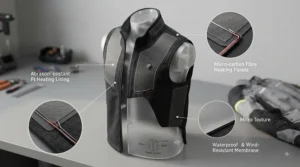
6. Keis B601RP Ultraflex Heated Bodywarmer — best for neck warmth on multi-day trips
Where the V501 keeps things minimal, the B601RP adds a heated collar into the mix, which changes the character of the vest considerably. An independent UK tester rated it five stars overall after four months and roughly 3,100 miles of use, specifically praising the flexible, comfortable fit and its ability to keep the core genuinely warm rather than just taking the edge off.
Based on the spec comparison against the standalone V501, the trade-off is straightforward: extra warmth and coverage at the neck comes with slightly higher power draw and marginally more bulk under a jacket collar. For multi-day touring in genuinely cold conditions — think early spring Alpine passes or a late-autumn run up to the Cairngorms — that extra coverage is often the difference between “manageable” and “actually enjoyable” riding.
Reviewers consistently note the connector compatibility with Keis heated gloves as a practical bonus, since running one battery or bike connection to power both vest and gloves simplifies wiring considerably on longer trips.
Pros:
- ✅ Heated collar adds coverage most rivals skip
- ✅ Five-star long-term test result from an independent UK publication
- ✅ Compatible connectors for pairing with Keis heated gloves
Cons:
- ❌ Slightly bulkier under a jacket than the standalone V501
- ❌ Higher power draw than collar-free alternatives
Priced in the £150-190 range, it sits just above the V501 and earns that premium through genuinely useful extra coverage for serious multi-day tourers.
7. Volt Heat Fusion 12V/7V Dual-Source Heated Vest — best hybrid for genuine multi-day flexibility
The Fusion tackles the wired-versus-rechargeable dilemma head-on with a patent-pending dual-source system: plug into the bike’s 12V supply and the vest runs on unlimited power while simultaneously trickle-charging its onboard 7.4V rechargeable battery, then seamlessly switches to that battery the moment you unplug and swing a leg off the bike.
What most buyers overlook about hybrid systems generally is how much friction they remove from real touring days. On a five-day trip you’re constantly plugging and unplugging — fuel stops, lunch breaks, photo stops at a viewpoint — and a vest that goes cold the instant you dismount gets old fast. Bluetooth control lets you fine-tune heat zones without hunting for a button under layers, and the 30-denier ripstop shell with synthetic insulation means it holds its own as outerwear on milder days too.
Since this is a newer entrant to the UK market, verified independent long-term reviews are still limited; early adopter feedback via the manufacturer’s own channels is positive on the seamless power switching, though riders considering it should weigh that against the more extensively tested Keis and Alpinestars options above.
Pros:
- ✅ Never goes cold between unplugging and battery kicking in
- ✅ Bluetooth zone control for fine-tuned warmth
- ✅ Insulated shell works as standalone outerwear too
Cons:
- ❌ Fewer independent long-term UK reviews than established rivals
- ❌ Among the pricier options on this list
Sitting in the £220-260 range, it’s a genuine investment — one that makes most sense for riders doing frequent, multi-day tours who value the wired-to-battery handoff over saving money.
Setting Up and Maintaining Your Heated Vest for Multi-Day Touring
Getting a heated vest wrong on day one of a five-day trip is the kind of mistake that colours the whole ride, so it’s worth doing the boring bit properly before you leave the driveway. Start by fitting the vest snug — not tight — over a moisture-wicking base layer rather than directly against skin or over a thick jumper; both extremes reduce how well the heating elements transfer warmth.
Before any multi-day trip, run the vest for a full cycle at home first. This catches faulty connectors or a battery that won’t hold charge while you’re still near a returns desk, not three hours from the nearest town. Pack the charger and, if your budget stretches to it, a spare battery — many riders touring for four or five days find one battery simply isn’t enough, particularly if evenings involve wearing the vest off the bike too.
Maintenance is genuinely low-effort but easy to skip. Most rechargeable batteries should be removed before washing the vest itself, and stored at roughly 40-80% charge if the vest won’t be used for weeks — storing lithium batteries fully charged or fully flat shortens their lifespan noticeably over a season. Check connector pins for corrosion before each trip, especially if you’ve ridden in heavy rain, since moisture ingress at the connector is the most common cause of intermittent heating on otherwise healthy vests.
A common first-30-days mistake is running the vest on maximum heat constantly “to be safe” — this drains batteries far faster than necessary and, according to several manufacturers’ guidance, can shorten element lifespan over time. Medium settings on a well-fitted vest usually deliver plenty of warmth while roughly doubling your runtime compared with full blast.
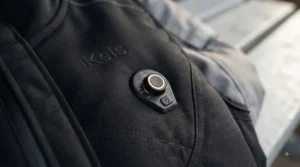
Which Rider Are You? Real-World Touring Scenarios
Not every tourer needs the same vest, so it helps to think in terms of who you actually are on the road rather than which vest has the flashiest spec sheet.
The weekend Alpine chaser: rides two or three long days at a time, mostly on well-charged modern bikes, budget around £150-200, and values wired reliability over battery faff. The Keis V501 or Venture Heat 12V Duo Hybrid suit this rider well — low current draw, plug in and forget, with the option to add a battery pack later if trips get longer.
The five-day continental tourer: covers serious mileage across several countries, stops frequently for fuel, food and photos, and genuinely needs warmth both on and off the bike. The Volt Heat Fusion or Keis B601RP fit this profile, since the hybrid or dual-power systems avoid that dead-cold feeling every time the ignition goes off.
The budget-conscious first-timer: wants to try heated gear before committing serious money, doesn’t tour every weekend, and prioritises packability for a bike with limited storage. The ORORO 4-Zone Heated Puffer Vest makes sense here — genuinely low cost of entry, USB-C charging that needs no dedicated accessories, and a shell that compresses down small.
How to Choose a Heated Motorcycle Vest for Touring
Picking the right vest comes down to matching a handful of practical criteria against your actual riding pattern, not just picking whichever one has the best marketing photos.
- Decide wired, rechargeable, or hybrid first. This single choice shapes everything else — wired suits long motorway days, rechargeable suits stop-start touring, hybrid suits both but costs more.
- Check current draw against your bike. Older or smaller-capacity bikes can struggle powering a high-draw vest alongside heated grips and gloves simultaneously.
- Prioritise coverage over heat settings. A vest with a collar panel, like the Keis B601RP, often feels warmer in practice than one with more heat settings but less surface coverage.
- Factor in battery endurance realistically. Manufacturer runtimes are almost always measured on the lowest setting — plan for roughly half that on a genuinely cold day.
- Think about packability for multi-day trips. A vest that compresses down, like the ORORO, frees up pannier space that adds up over several days of luggage.
- Check connector compatibility. If you already own heated gloves from a particular brand, matching connectors (as with the Keis range) simplifies wiring considerably.
- Read aggregated reviews for durability, not just first impressions. A vest that heats brilliantly on day one but fails after six months of regular touring isn’t good value, whatever it cost.
✨ Ready to Gear Up for Colder Rides?
🔍 Compare current pricing and availability on any of the seven vests above before your next trip — a warm core makes every mile more enjoyable.
Rechargeable vs Wired: Which Heated Vest System Wins for Touring
This is the debate every tourer eventually has with themselves, usually somewhere around hour four of a cold ride. Wired 12V systems, like the base setup on the Venture Heat 12V Duo Hybrid or Keis V501, draw power directly from the bike’s electrical system, meaning genuinely unlimited runtime for as long as the engine’s running and the alternator’s keeping the battery topped up.
Rechargeable systems, like the ORORO 4-Zone Heated Puffer Vest or Gerbing 7V Torrid-2.0, trade that unlimited runtime for total independence from the bike — you can wear them walking round a service station, sitting in a café, or setting up camp, none of which a wired vest can do once you’ve switched off the ignition.
| Factor | Wired 12V | Rechargeable Battery | Hybrid |
|---|---|---|---|
| Runtime on bike | Unlimited | 4-10 hours | Unlimited |
| Off-bike use | No | Yes | Yes |
| Setup complexity | Higher (wiring harness) | Lower (plug and go) | Higher |
| Best For | Long motorway touring days | Stop-start, multi-stop trips | Frequent multi-day tourers |
Reading across that table, the honest answer is that neither system is universally better — it depends on how your touring days actually unfold. Riders doing big motorway miles with few stops lean towards wired for the unlimited power; riders doing scenic, stop-heavy routes with lots of dismounting benefit more from rechargeable independence. Hybrid vests like the Volt Heat Fusion essentially remove the decision entirely, at a price premium that reflects the added engineering.
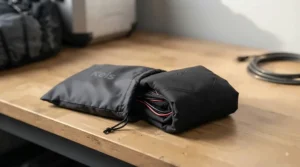
Battery Endurance and Multi-Day Trips: What to Expect
Manufacturer-quoted runtimes are almost always best-case figures measured on the lowest heat setting in mild conditions, which rarely matches what a genuinely cold, wet touring day demands. On paper the ORORO claims up to ten hours; in practice, running it on medium-to-high through a proper cold snap, expect closer to four or five hours before it needs a top-up.
That gap matters enormously for multi-day trips. A rider covering six or seven hours in the saddle daily across a five-day tour, relying purely on one rechargeable battery, will run dry most afternoons unless they’re carrying a spare or charging overnight without fail. This is precisely where wider winter riding advice on layering and planning ahead becomes genuinely relevant — heated gear works best as one part of a considered system, not a single silver bullet.
Practical planning tips: carry a spare battery if your vest allows it (several models on this list, including the Gerbing 7V Torrid-2.0, support swappable packs); charge overnight at every stop rather than waiting until the battery’s flat; and consider a wired or hybrid system like the Keis B601RP or Volt Heat Fusion if your itinerary involves long, uninterrupted riding days where recharging opportunities are scarce.
Common Mistakes When Buying a Heated Motorcycle Vest
The most frequent mistake is buying based on maximum wattage alone, without checking whether that power output actually matches how you tour. A high-draw vest wired into an older bike’s electrical system can trip fuses or strain the charging circuit, something the low-draw Venture Heat 12V Duo Hybrid specifically avoids.
Second is ignoring fit. A vest sized too loose won’t press heating elements against the body properly, wasting most of the warmth into the air gap rather than transferring it — this is a genuine physics problem, not a marketing gimmick. Third, riders frequently skip checking connector compatibility with existing heated gloves or grips, ending up with two separate battery systems to manage rather than one streamlined setup.
Finally, many first-time buyers underestimate genuine cold-weather runtime, taking manufacturer figures at face value rather than planning for the real-world drop-off covered above — a mistake that turns a promising first multi-day tour into a scramble for charging points.
Lightweight, Packable Heated Gear: Solving the Pannier Space Problem
Touring luggage is a zero-sum game — every item you pack is space and weight taken from something else. Bulky heated gear is a genuine problem for riders already tight on room, which is exactly the gap lightweight, packable vests are designed to fill.
Problem: bulky heated vests eat pannier space on multi-day trips. Solution: choose a compressible design like the ORORO 4-Zone Heated Puffer Vest, which packs down small enough to fit in a jacket pocket when not in use, freeing space for tools, spares or an extra layer.
Problem: proprietary chargers add clutter to your luggage. Solution: prioritise USB-C charging, as fitted on the ORORO, so one cable covers your phone, GPS and heated vest rather than three separate leads.
Problem: heavy battery packs add unwanted weight to your kit. Solution: lighter-draw designs like the Keis V501 minimise both battery bulk and current draw simultaneously, since a smaller power requirement generally means a smaller, lighter battery pack.
Problem: swapping between riding gear and off-bike wear means carrying two warm layers. Solution: dual-purpose shells like the Gerbing 7V Torrid-2.0, styled closer to outdoor softshell wear than motorcycle-specific kit, double as evening wear at the campsite or hotel without needing a separate jumper.
Features That Actually Matter (And Those That Don’t)
Marketing copy loves to lead with heat settings and wattage figures, but a handful of quieter features make far more difference on an actual multi-day tour. Coverage area matters more than raw wattage — a vest heating three zones evenly, like the Keis V501, often feels warmer overall than one blasting heat from a single powerful panel.
Connector compatibility with existing gloves and grips matters more than app control, despite app control getting most of the marketing attention. Battery swappability matters enormously for genuine multi-day use, yet it’s rarely the headline feature on a product page. Conversely, Bluetooth app control, while genuinely convenient on vests like the Alpinestars Heat Tech Vest, is a nice-to-have rather than a deciding factor — a well-placed physical button does the same job for most riders.
Fancy stitching patterns, branded zip pulls and colour options make no difference to warmth whatsoever, however prominently they feature in product photography.
Safety, Regulations & Compliance Guide
Heated motorcycle vests sold in the UK and EU should carry CE marking, confirming the electrical components meet recognised safety standards for heat output and insulation. Always check this marking is present before buying, particularly from lesser-known online sellers where counterfeit or unregulated heating elements have occasionally surfaced.
Wiring a vest directly into your bike’s electrical system, as with the Venture Heat 12V Duo Hybrid or Keis range, should always include the manufacturer-supplied fused harness — this protects both the vest and your bike’s wiring from a short circuit. Traffic Scotland’s winter riding guidance notes that checking your bike’s battery condition before cold-weather trips matters generally, and that logic extends directly to any accessory drawing extra current from it.
For lithium battery packs, avoid leaving them charging unattended overnight in a tent or enclosed luggage, follow the manufacturer’s charging instructions precisely, and never charge a battery that shows visible damage or swelling. These are standard precautions for any lithium-ion device, not unique to heated apparel, but they’re worth repeating given how often heated vests get charged in less-than-ideal touring accommodation.
Long-Term Cost & Maintenance
Heated vests aren’t a one-off purchase so much as a small ongoing system — batteries degrade, connectors wear, and replacement parts occasionally need buying. Budgeting for a spare battery or connector cable within the first year of ownership is realistic for regular multi-day tourers, particularly with rechargeable-only systems like the ORORO or Gerbing 7V Torrid-2.0.
| Vest | Approx. Price Range | Battery Replacement Cost (if applicable) | Value Verdict |
|---|---|---|---|
| ORORO 4-Zone Heated Puffer Vest | £70-100 | £25-40 | Strong value for occasional tourers |
| Venture Heat 12V Duo Hybrid | £80-120 | £30-50 (optional battery pack) | Best budget entry into wired systems |
| Keis V501 Premium Heated Vest | £140-170 | N/A (wired primary) | Strong long-term value with proven durability |
| Keis B601RP Ultraflex Bodywarmer | £150-190 | N/A (wired primary) | Good value for the extra coverage |
| Gerbing 7V Torrid-2.0 | £180-220 | £40-60 | Justified for off-bike versatility |
| Alpinestars Heat Tech Vest | £200-250 | £40-60 | Premium, but backed by long-term test data |
| Volt Heat Fusion 12V/7V | £220-260 | £40-60 | Highest upfront cost, lowest ongoing friction |
Looking at the table, the wired-primary Keis vests carry no ongoing battery replacement cost since the bike supplies primary power, which meaningfully lowers their total cost of ownership over several seasons compared with the purely rechargeable options. That said, riders who tour frequently off-bike will likely recoup the Gerbing or Volt Heat Fusion‘s higher upfront cost through sheer flexibility, since a vest usable both on and off the bike effectively replaces a separate warm layer you’d otherwise need to pack.
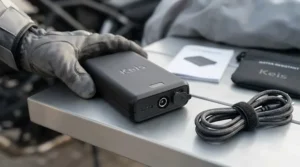
Frequently Asked Questions
❓ How long does a heated motorcycle vest battery actually last on tour?
❓ Can I wear a heated vest under any motorcycle jacket?
❓ Is a rechargeable heated vest better than a wired 12V one for touring?
❓ Do heated motorcycle vests work with heated gloves at the same time?
❓ How do I stop my heated vest battery degrading between tours?
Conclusion
A heated motorcycle vest for touring isn’t a luxury add-on so much as a piece of kit that changes what “riding season” actually means. Whether that’s the low-draw reliability of the Keis V501, the pack-it-anywhere convenience of the ORORO 4-Zone Heated Puffer Vest, or the seamless wired-to-battery handoff of the Volt Heat Fusion, the right choice comes down to matching a vest’s power system and coverage against how your multi-day trips actually unfold — not chasing whichever model has the flashiest spec sheet.
Get the fundamentals right — realistic battery endurance expectations, sensible fit, compatible connectors, and genuine packability — and a heated vest quietly becomes one of the best-value items in your entire touring kit. Cold mornings stop being a reason to delay departure, and long days in the saddle stop draining you before you’ve even reached the first fuel stop.
Whichever of the seven vests above fits your riding pattern, check current pricing and availability before committing, since stock and pricing shift regularly across retailers.
Recommended for You
- 7 Best Heated Motorcycle Vests UK 2026: Warm Rides, Not Frozen
- Heated Grips for Scooters: 7 Best Picks to Beat the Cold in 2026
- 7 Best Heated Grips for Touring Motorcycles in 2026
Disclaimer: This article contains affiliate links. As an Amazon Associate, I earn from qualifying purchases. If you purchase products through these links, we may earn a small commission at no additional cost to you.
✨ Found this helpful? Share it with your friends! 💬🤗
