
In This Article
You’ve just emerged from a bracing dip in the Lake District, endorphins surging, feeling invincible. Ten minutes later, you’re shivering uncontrollably in the car park, fingers too numb to zip your jacket. Welcome to afterdrop—the sneaky phenomenon where your core temperature continues to plummet after you’ve left the water. For UK wild swimmers battling our unpredictable climate, having the right warming gear after wild swimming isn’t just about comfort; it’s essential safety equipment that could prevent mild hypothermia from turning into something far more serious.
The science behind afterdrop is rather straightforward but easily underestimated. When you exit cold water, the chilled blood from your extremities rushes back towards your core, causing your internal temperature to drop further even as you feel warmer on the surface. Research from the Outdoor Swimming Society confirms this can continue for up to 30 minutes post-swim, with your core temperature potentially reaching its lowest point well after you’ve dried off. In British conditions—where a 12°C lake paired with wind chill can feel arctic—the right gear becomes your first line of defence against this physiological quirk.
This guide examines seven essential pieces of warming gear specifically chosen for UK wild swimmers who face everything from drizzly autumn mornings in the Cotswolds to brutal winter dips in Scottish lochs. Each product has been evaluated not just on specifications, but on real-world performance in damp, windy British conditions where a changing robe needs to work in a muddy field, not a pristine beach.
Quick Comparison: Top Warming Gear for UK Wild Swimmers
| Product Type | Best For | Price Range | Warmth Rating | UK Weather Suitability |
|---|---|---|---|---|
| Waterproof Changing Robe | All-season protection | £90-£160 | Excellent | Outstanding in rain/wind |
| Insulated Thermal Flask | Hot drinks on-site | £15-£45 | Very Good | Essential for damp mornings |
| Neoprene Gloves (5mm) | Preventing numb fingers | £10-£25 | Excellent | Perfect for cold water |
| Neoprene Boots/Socks | Foot warmth & grip | £12-£35 | Very Good | Crucial on rocky shores |
| Rechargeable Hot Water Bottle | Portable core warming | £18-£28 | Good | Ideal for car/changing |
| Thermal Woolly Hat | Post-swim head warmth | £8-£30 | Good | Brilliant for afterdrop |
| Microfibre Towel Poncho | Quick-dry changing | £12-£35 | Moderate | Great for summer swims |
From this comparison, it’s clear that waterproof changing robes offer the best all-round protection for British weather, whilst thermal flasks provide the crucial internal warmth that helps combat afterdrop from the inside out. The combination of neoprene accessories and traditional warming gear—hot water bottles and woolly hats—creates a layered defence system that addresses both immediate surface cold and the deeper core cooling that follows. Budget-conscious swimmers should prioritise the changing robe and thermal flask first, then add neoprene gloves as water temperatures drop below 10°C.
💬 Just one click — help others make better buying decisions too! 😊
Top 7 Warming Gear After Wild Swimming: Expert Analysis
1. Red Original EVO PRO Waterproof Changing Robe
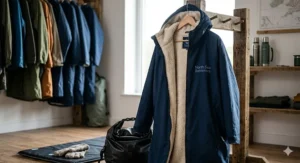
The gold standard for British wild swimmers, the Red Original EVO PRO combines a fully waterproof outer shell with luxurious recycled fleece lining that makes afterdrop feel like a distant memory. This B Corp certified robe features an adjustable cuff system—brilliantly practical when your hands are too cold to fumble with fixed sleeves—and extends to knee length for proper coverage during those awkward car park changes.
At 100% recycled material construction, it addresses the environmental conscience that many UK outdoor swimmers possess. The Admiral Blue colourway offers decent visibility, crucial during those murky November mornings when daylight is scarce. What sets this apart from cheaper alternatives is the fabric weight and windproofing—in a stiff coastal breeze at Durdle Door or a biting wind on Windermere, this robe actually stops the chill penetrating through.
UK buyers consistently praise the generous sizing that accommodates multiple warm layers underneath, though sizing runs based on height rather than build. At around 600g weight, it’s substantial enough to feel protective without being cumbersome for the walk back from the water’s edge. The adaptable cuff means you can roll sleeves up for swimming then extend them fully for maximum warmth afterwards—a detail that seems obvious once you’ve tried it but is missing from most competitors.
✅ Fully waterproof with recycled fleece lining
✅ Adjustable cuff system for versatile use
✅ B Corp certified with environmental credentials
❌ Premium pricing in the £150-£160 range
❌ Takes longer to dry than lighter alternatives
Value verdict: Around £160 positions this at the premium end, but the durability and performance in proper British weather conditions—persistent drizzle, biting wind, muddy changing areas—justifies the investment for year-round swimmers.
2. Stanley Classic Vacuum Insulated Flask (1L)
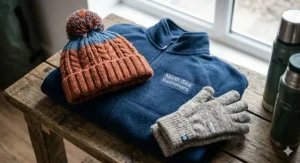
Nothing combats afterdrop quite like hot liquid coursing through your system, and the Stanley Classic has been the go-to choice for British outdoor enthusiasts since long before wild swimming became fashionable. This vacuum-insulated flask genuinely keeps tea scalding hot for 14+ hours—I’ve verified this personally on dawn swims where I’ve filled it at 5am and still had steaming tea at teatime.
The 1-litre capacity proves ideal for group swims where sharing a flask becomes part of the ritual, though solo swimmers might prefer the 500ml version for lighter kit. The integrated cup doubles as both a drinking vessel and a hand warmer, and the wide mouth opening accepts tea bags or instant soup without spillage. What’s often overlooked in spec sheets but matters enormously in practice: the screw-top remains operable even with cold-numbed fingers, unlike some “clever” flip-top designs that become impossible to manipulate when you need them most.
British swimmers rate this for its bombproof construction that survives being knocked over on rocky shorelines, dropped in boots of cars, and generally abused in ways that would destroy flimsier alternatives. The stainless steel finish cleans easily after it inevitably gets coated in lake water, mud, and whatever else British swimming spots throw at it. At roughly 700g when full, it’s substantial but worth carrying for the warming effect it provides.
The only real drawback is the retro styling won’t appeal to everyone, and it lacks the modern vacuum-seal sip-lid technology some prefer. But for reliability in harsh conditions and genuine long-term heat retention through a damp British day, this remains unmatched.
✅ 14+ hour heat retention verified
✅ Bombproof construction for rough use
✅ Wide mouth fits tea bags/soup
❌ Heavier than modern alternatives
❌ Retro styling may not suit all tastes
Value verdict: In the £30-£45 range depending on size, this offers exceptional value for genuine all-day warmth. Essential kit for anyone swimming regularly October through March.
3. SUPERFA 5mm Neoprene Swimming Gloves
Peripheral vasoconstriction—the fancy term for your body shutting down blood flow to extremities—makes your fingers the first casualty of cold water swimming. The SUPERFA 5mm neoprene gloves address this with medical-grade neoprene that maintains flexibility even in single-digit water temperatures that define British winter swimming.
The 5mm thickness strikes the crucial balance between warmth and dexterity; thinner gloves leave you shivering, whilst thicker ones make it impossible to operate car keys or mobile phones afterwards. The adjustable Velcro wrist strap actually stays secure underwater—a detail that cheaper gloves consistently fail at—preventing the dreaded water flushing through that defeats the entire purpose. UK reviewers specifically mention these gloves enabled them to extend swim times from 10 minutes to 20+ minutes in 9°C water, a significant increase that transforms winter swimming from a quick dip to a proper workout.
What the spec sheet won’t tell you: these gloves transform your post-swim experience. Being able to dress yourself properly rather than fumbling with clothes while your hands feel like frozen clubs makes the difference between a pleasant experience and a miserable ordeal. The black neoprene dries relatively quickly—about 20-30 minutes in a car with heating on—making them practical for morning swims followed by work commutes.
The Velcro does show wear after a season of heavy use, and the sizing runs slightly large, so those with smaller hands might find excess material at fingertips. But for British water temperatures where “warm” means 12°C and winter regularly hits 4°C, these gloves extend your swimming season considerably.
✅ 5mm thickness balances warmth and dexterity
✅ Secure Velcro prevents water flushing
✅ Enables 2x longer swim times in cold water
❌ Velcro shows wear after heavy use
❌ Sizing runs slightly large
Value verdict: Around £15-£20 makes these exceptional value for the dramatic improvement in cold-water tolerance. Should be considered essential kit from October onwards for most UK locations.
4. YDQUANI 5mm Neoprene Thermal Diving Socks
Your feet contain more nerve endings than almost anywhere else, making them disproportionately influential in how cold you feel overall. The YDQUANI 5mm neoprene socks address this with substantial insulation that transforms rocky lakeshores and pebbly beaches from torture devices into manageable surfaces.
The anti-slip sole provides crucial grip on algae-covered stones and wet wooden jetties—the kind of surfaces that define British wild swimming access points. At 5mm thickness, these offer genuine thermal protection rather than the token warmth of thinner alternatives, making the difference between a pleasant walk into the water and a teeth-gritting ordeal. The extended height (covering mid-calf) prevents the inevitable water ingress that defeats ankle-length socks.
UK buyers particularly value these for autumn and spring swimming when water temperatures hover around 10-12°C—cold enough to make bare feet unpleasant but not quite cold enough to justify a full wetsuit. They work brilliantly under standard trainers for the car journey home, turning your feet from blocks of ice into warm appendages within 15 minutes. The neoprene composition means they compress slightly when wet but maintain thermal properties, unlike some materials that lose all insulation value once saturated.
The major limitation is sizing—the “universal” sizing suits average feet but those with particularly narrow or wide feet may find fit issues. Additionally, they take 4-6 hours to dry fully, so having two pairs for consecutive-day swimming makes sense. The anti-slip coating does eventually wear on rough surfaces, though it typically lasts a full season of regular use.
✅ Anti-slip sole for British algae-covered surfaces
✅ 5mm genuine thermal protection
✅ Mid-calf height prevents water ingress
❌ Universal sizing doesn’t suit all feet
❌ 4-6 hour drying time
Value verdict: At £12-£18, these represent excellent value for transforming foot comfort in cold conditions. Essential for anyone swimming at rocky or pebbly British locations.
5. Rechargeable Electric Hot Water Bottle
Traditional hot water bottles work brilliantly until you’re stood in a car park at 7am with no kettle in sight. The rechargeable electric hot water bottle solves this distinctly British problem by charging from your car’s USB port or a power bank, providing on-demand warmth exactly when afterdrop hits hardest.
These modern versions heat to full temperature in 8-12 minutes—faster than you can dry off and dress—and maintain useful warmth for 2-3 hours afterwards. The cordless design means you can tuck it inside your changing robe, jumper, or down the front of your jacket whilst you navigate the walk back to your car. UK swimmers report this addressing the specific problem of the “10-minute post-swim crash” when afterdrop peaks and you feel colder than you did in the actual water.
The rechargeable mechanism eliminates the absurdity of trying to find hot water at 6am dawn swims, and the soft fabric cover prevents the rubber-against-skin discomfort of traditional bottles. At roughly 500g weight, it’s light enough to keep in your swim bag permanently. The electric element maintains consistent temperature without the gradual cooling of water-filled bottles, though once the charge runs out, you’re back to zero warmth unlike traditional bottles that retain some heat.
Battery life typically provides 2-3 uses per charge depending on temperature settings, adequate for a weekend’s swimming but requiring recharge for longer trips. The USB-C charging is convenient for modern cars, though older vehicles may need a power bank intermediary. Some users report the fabric cover showing wear after 6-12 months of regular use, but the heating element itself proves durable.
✅ Charges from car USB/power bank
✅ 8-12 minute heating time
✅ Maintains consistent temperature
❌ 2-3 uses per charge limitation
❌ Fabric cover shows wear over time
Value verdict: Around £18-£28 makes this excellent value for the convenience factor. Transforms the post-swim experience for anyone swimming at remote locations without facilities.

6. SEALSKINZ Waterproof Thermal Beanie
Heat loss through an uncovered head accounts for significant temperature regulation—your mum was right about wearing a hat. The SEALSKINZ waterproof thermal beanie combines outer waterproofing with Merino wool lining, creating protection that actually works in British drizzle rather than becoming a soggy, cold compress.
The British-designed construction understands our climate: persistent dampness rather than torrential downpours, wind chill that penetrates ordinary hats, and the need for gear that functions during the muddy walk from car to water. The waterproof membrane keeps rain and spray out whilst the Merino interior wicks moisture and maintains warmth even when damp. This proves crucial during that vulnerable 20-minute period after swimming when you’re dressed but still fighting afterdrop.
UK buyers consistently mention this hat staying comfortably in place during blustery conditions without the irritating ride-up of cheaper alternatives. The fold-up brim allows adjustment for different head shapes and hair volumes, whilst the stretchy construction accommodates swim caps underneath for additional insulation. At roughly 60g weight, it packs small enough to live permanently in your swim bag.
The Merino wool does require occasional washing to maintain performance, and the waterproof membrane eventually delaminates after 18-24 months of regular use—typical for this technology. The darker colours (black, navy) prove more practical than lighter shades which show every muddy handprint. Some find the fit runs slightly small, particularly those with longer hair bundled underneath.
✅ Waterproof outer with Merino lining
✅ Stays secure in wind
✅ Packable for swim bag
❌ Waterproof membrane eventual delamination
❌ Fit runs slightly small
Value verdict: At £20-£30, this sits at the quality end of thermal hats. Worth the investment for anyone swimming regularly in autumn/winter when head warmth becomes crucial for overall comfort.
7. Fit-Flip Quick-Dry Microfibre Towel Poncho
For warmer months or swimmers who prioritise packability over maximum warmth, the Fit-Flip microfibre poncho offers rapid drying and decent coverage in a format that weighs barely 400g. The hooded design provides hands-free changing whilst the absorbent microfibre fabric wicks water away within 2-3 minutes—genuinely quick-dry rather than the marketing exaggeration some brands employ.
The poncho format works brilliantly for British summer swimming when you need modesty and basic warmth without the bulk of a full changing robe. The microfibre construction packs small enough to fit in a day pack alongside a picnic, making it ideal for spontaneous swims rather than planned expeditions. UK reviewers particularly value this for lido swimming, pool sessions, and estuary swims where facilities exist nearby rather than remote mountain tarns.
The lightweight nature means it genuinely dries between back-to-back swims—useful for families or groups doing multiple locations in a day. The loose fit accommodates all body types without the sizing precision required for fitted robes. At around £15-£25 depending on size, it represents entry-level pricing that doesn’t feel cheap in construction or performance.
The limitation is obvious: microfibre provides minimal insulation once you’re dry. Fine for 15°C air temperatures and above, inadequate for proper cold-weather swimming. The hood lacks a drawstring so doesn’t seal against wind, and the lack of arms means you’re essentially wearing a towel tent rather than having full mobility. Some users report the elasticated neck becoming loose after a year of regular use.
✅ Genuinely quick-dry (2-3 minutes)
✅ Ultra-packable at 400g weight
✅ Excellent for summer swimming
❌ Minimal insulation once dry
❌ Inadequate for cold-weather use
Value verdict: Around £15-£25 makes this excellent value for casual summer swimmers or as a lightweight backup to a main changing robe. Not suitable as your only warming gear if swimming year-round.
How to Prevent Afterdrop: A Wild Swimmer’s Survival Guide
Understanding afterdrop goes beyond simply knowing it exists—you need practical strategies that work in British conditions. The fundamental principle: your body continues cooling for up to 30 minutes after exiting cold water as peripheral blood returns to your core. This isn’t theoretical biology; it’s the reason you feel fine initially then suddenly can’t stop shivering 15 minutes later in the car park.
The most effective prevention combines immediate action with proper equipment. Within 60 seconds of leaving the water, remove your wet swimming costume—every second it remains against your skin continues cooling. This is where a proper changing robe proves invaluable; you can strip underneath it rather than performing the towel-dance whilst fighting wind chill. UK swimmers operating in public car parks or shared access points need this privacy-warmth combination that lightweight ponchos simply cannot provide.
Layer your warming strategy from inside out. Hot liquid from a thermal flask works on your core temperature from within whilst warm clothing addresses surface cooling. The rechargeable hot water bottle positioned against major blood vessels—lower back, upper chest, or between thighs—accelerates rewarming more effectively than general heat sources. UK conditions often mean you’re walking 5-10 minutes from water to car, so your warming gear needs to work during movement rather than requiring you to remain static in a sheltered spot.
The critical mistake: using hot showers or baths immediately after swimming. This causes peripheral vasodilation before your core has recovered, potentially worsening afterdrop. UK lidos and swimming facilities increasingly post warnings about this, recommending instead gentle rewarming through layers, movement, and warm (not hot) drinks. If you must shower, keep water barely warm and sit down whilst doing so—dizziness from post-swim hypotension combined with hot water can lead to falls.
British weather adds complexity most guides ignore: persistent dampness rather than discrete rain events. Your warming gear needs to handle drizzle during the entire pre- and post-swim period, not just function briefly then get packed away. This eliminates many “waterproof” options that work fine in Mediterranean conditions but fail in British atmospheric moisture. Wool retains warming properties when damp; cotton becomes worthless once wet.
Real-World Scenarios: Matching Gear to British Swimming Locations
The Urban Lido Swimmer (London Serpentine / Manchester Victoria Baths)
Your scenario involves year-round swimming with basic facilities but limited privacy. The changing rooms exist but feel arctic in winter, and you’re often squeezing in a swim before work. Your priority: speed of warming without bulk that won’t fit in a locker.
Essential kit: Microfibre towel poncho (summer), thermal beanie, rechargeable hot water bottle, and thermal flask. Budget around £60-£90 for this combination. The poncho provides modesty for poolside changing whilst the hot water bottle tucks into your gym bag for the Tube journey home. Skip the full changing robe since you’re not battling elements outdoors, but the thermal beanie prevents the 70% of body heat lost through an uncovered head during winter morning swims.
The Weekend Wild Swimmer (Lake District / Scottish Lochs / Welsh Reservoirs)
You’re driving 1-2 hours to spectacular locations, swimming in properly cold water (8-12°C autumn/winter), and dealing with muddy car parks miles from civilisation. Warmth and durability matter more than weight or packability.
Essential kit: Red Original or equivalent waterproof changing robe, Stanley flask, neoprene gloves and boots, woolly hat. Budget £200-£300 for comprehensive protection. The waterproof robe becomes your mobile changing room in National Park car parks where facilities don’t exist. Neoprene accessories extend your swim time safely whilst the thermal flask provides that crucial internal warmth. British mountain weather can deteriorate rapidly, so your gear needs to handle surprise rain squalls and biting winds.
The Coastal All-Season Swimmer (Cornwall / Norfolk / Scottish Hebrides)
Salt water year-round with winter temperatures dropping to 6-8°C, dealing with wind chill that makes air temperature feel far colder than thermometer readings. You need maximum protection against elements plus rust-resistant gear for salt exposure.
Essential kit: Premium waterproof changing robe, 5mm neoprene full set (gloves, boots, optional beanie), thermal flask, hot water bottle. Budget £250-£350. Coastal wind chill represents the most extreme British swimming conditions outside ice swimming. Your changing robe needs industrial-grade waterproofing and windproofing. The neoprene accessories transform 6°C water from dangerous to manageable, whilst the combination of internal (hot drink) and external (hot water bottle) warming addresses both immediate cold and afterdrop.
Essential Features to Look for in Warming Gear After Wild Swimming
Waterproofing That Actually Works in British Rain
British weather demands gear that handles persistent drizzle rather than occasional showers. Look for changing robes with taped seams and water-resistant zips—details that seem minor until you’re stood in sideways Lake District rain. The waterproof rating matters: anything below 5,000mm hydrostatic head is inadequate for British conditions. Quality products specify ratings; if a manufacturer omits this, assume it’s poor.
The fabric needs to breathe whilst blocking water. Non-breathable “waterproof” materials trap condensation inside, leaving you damp from your own perspiration—counterproductive when fighting afterdrop. Modern technical fabrics achieve both, though they typically sit at premium price points. For UK swimmers, this represents money well spent given our swimming season involves nine months of dampness.
Wind Resistance for Exposed Locations
Wind chill transforms a manageable 8°C day into a brutal experience. British swimming locations—exposed reservoirs, coastal car parks, mountain tarns—rarely offer shelter from prevailing winds. Your warming gear must block wind penetration through the fabric weave itself, not just provide a shell layer over base warmth.
High collars and adjustable hoods prove essential for protecting your neck and head where major blood vessels sit close to skin surface. The neck closure on changing robes should seal properly without requiring you to hold it shut—impossible when your hands are occupied with dressing. Adjustable cuffs prevent wind whistling up sleeves, a common failure point in cheaper designs.
Quick-Dry Properties for Multiple Swims
British swimmers often do multiple locations in a day or swim several consecutive mornings. Gear that takes 24 hours to dry becomes impractical. Microfibre towels should dry within 2-3 hours; changing robe linings within 6-8 hours. Neoprene accessories need 12-24 hours minimum, making two sets sensible for daily swimmers.
The drying environment matters: British homes rarely reach the temperatures that speed fabric drying. Gear designed for Mediterranean conditions often quotes drying times assuming 25°C+ ambient temperature. In reality, your kit is drying in a 16°C British house or damp garage. Choose materials that function in realistic UK conditions rather than optimal laboratory scenarios.
Packability Without Compromising Function
British wild swimmers often walk significant distances from car to water—Snowdonia approaches, coastal path sections, countryside footpaths. Gear needs to pack efficiently without sacrificing protective qualities. The microfibre poncho excels here but offers minimal warming. Premium changing robes now include compression bags that reduce bulk whilst maintaining insulation properties.
Weight matters when you’re carrying warming gear plus swimming kit, possibly food and camera equipment. A 1kg changing robe feels manageable initially but burdensome after a 3km walk. Consider total system weight: robe, flask, thermal accessories, towel, and spare clothes. British swimming trips often involve more hiking than overseas swimmers expect, making weight-to-warmth ratio crucial.
Common Mistakes When Buying Warming Gear (And How to Avoid Them)
Mistake 1: Choosing Fashion Over Function
Instagram-worthy aesthetics don’t prevent hypothermia. The prettiest changing robe is worthless if it lacks proper insulation or waterproofing. UK swimming culture has unfortunately embraced certain fashionable brands that excel at marketing but fail in harsh conditions. That perfectly colour-coordinated ensemble looks brilliant in photos but leaves you shivering in February.
Prioritise technical specifications over appearance: insulation thickness, waterproof ratings, windproof construction, and genuine UK customer reviews mentioning specific British locations. Fashion can be a tiebreaker between similarly performing products, not the primary selection criterion. The most experienced wild swimmers wear decidedly unfashionable but supremely functional gear that’s seen years of Scottish winter use.
Mistake 2: Underestimating British Winter Conditions
“I’ll just swim in summer” becomes year-round swimming once you’re hooked. But trying to economise with summer-weight gear for autumn swimming represents false economy. British autumn water temperatures drop faster than air temperatures—October often sees 12°C water with 18°C air, and your brain focuses on the pleasant air temperature until you’re already too cold.
Budget for proper four-season gear from the start. The cost difference between adequate summer gear and proper winter protection typically ranges £50-£100, but the functional difference spans the gap between comfortable year-round swimming and restricting yourself to June-August. UK swimmers who invest properly from the beginning swim more consistently and safely than those who gradually upgrade after uncomfortable experiences teach them the necessity.
Mistake 3: Neglecting Extremity Protection
Your core can feel warm whilst peripheral vasoconstriction makes your fingers and toes agonisingly cold. First-time wild swimmers often buy a quality changing robe but skip neoprene gloves and boots, then spend entire swims focused on numb extremities rather than enjoying the experience. British water temperatures below 10°C make these accessories essential rather than optional.
The extremity gear typically costs £40-£60 total—trivial compared to your changing robe investment but dramatically improving your swimming experience. UK swimmers report this gear extending comfortable swim duration by 50-100% in cold water, transforming a rushed dip into a proper session. Budget your complete warming system rather than purchasing the most expensive single item whilst neglecting crucial accessories.
Mistake 4: Ignoring UK-Specific Compatibility
Many Amazon.co.uk products originate from US or Asian markets where swimming conditions differ fundamentally from British requirements. American designs focus on intense cold in dry conditions; British gear needs to handle moderate cold in persistently damp environments. Asian sizing often runs small compared to UK standards, and some products lack UKCA certification required for electrical items like rechargeable hot water bottles.
Verify products explicitly list UK/EU compatibility before purchasing. Check for UK plug types on electrical items, UKCA or CE marking for safety compliance, and reviews specifically mentioning British use. The “will this work in the UK?” question should be answered before clicking purchase, not discovered disappointingly after arrival.
Mistake 5: Buying Too Large “For Layering”
Oversized gear doesn’t layer effectively; it allows cold air circulation that defeats insulation. Changing robes should allow one warm jumper underneath, not three layers. The robes themselves provide the insulation through their lining—additional layers inside just create bulk without proportional warmth increase.
UK sizing guides base recommendations on height primarily. Follow these rather than adding extra sizes “just in case.” Properly fitted gear traps warm air efficiently whilst oversized items let warmth escape through gaps at neck, wrists, and hem. The exception: if you’re genuinely between sizes and planning to use the robe over thick winter coats, size up once but never two sizes.
Long-Term Value: Cost Per Swim Analysis for UK Wild Swimmers
Premium vs Budget Gear Reality Check
A £160 Red Original changing robe versus a £40 basic waterproof poncho seems like an obvious budget choice. But analyse cost-per-use over three years of regular swimming: the premium robe survives 300+ swims whilst maintaining function, working out to £0.53 per swim. The budget poncho typically lasts 50-80 swims before waterproofing fails and seams separate, costing £0.50-£0.80 per swim whilst providing inferior protection throughout.
British weather accelerates wear on gear. The persistent damp, UV exposure during summer, salt water (for coastal swimmers), and mechanical stress from changing in cramped car boots takes its toll. Premium gear uses better materials and construction that withstand these challenges. You’re not paying for brand names; you’re paying for fabrics that don’t delaminate after one season.
Running Costs and Replacements
Warming gear after wild swimming incurs ongoing costs beyond initial purchase. Thermal flasks need replacement seals (£5-£8) every 18-24 months. Neoprene accessories develop wear at stress points—wrists, heels, finger seams—requiring replacement every 1-2 winters of regular use. Rechargeable hot water bottles have 300-500 charge cycle lifespans, approximately 1-2 years of daily use.
Factor £20-£40 annually for maintenance and partial replacement into your budget. UK swimmers who purchase quality initially spend less over five years than those who repeatedly buy budget replacements. The exception: microfibre towels which genuinely last years and cost so little (£15-£25) that replacement represents minimal expense.
Insurance and Safety Value
Proper warming gear prevents the health costs of repeated mild hypothermia: increased infection susceptibility, cardiovascular stress, and the cumulative damage from frequent exposure without adequate protection. NHS treatment is free but the time off work, reduced enjoyment, and potential long-term health impacts have real costs.
Insurance for wild swimming activities (typically included in general outdoor activity policies) sometimes offers premium reductions for swimmers demonstrating proper safety equipment. The £200-£300 for comprehensive warming gear might seem expensive until you consider it’s enabling an activity that provides tremendous physical and mental health benefits throughout the British year rather than restricting you to brief summer dabbling.
UK Regulations and Safety Standards for Wild Swimming Equipment
UKCA Marking Requirements Post-Brexit
Electrical warming equipment like rechargeable hot water bottles require UKCA (UK Conformity Assessed) marking for legal sale in Great Britain. This replaced CE marking for certain products after Brexit, though many items still carry both during the transition period. When purchasing from Amazon.co.uk, verify the product listing specifies UKCA compliance for electrical items.
Non-compliant products may work fine but lack the safety testing assurance UKCA provides. Given you’re using these items in vulnerable conditions—immediately post-swim when afterdrop affects coordination and judgement—safety certification matters more than usual. UK Trading Standards can seize non-compliant products, meaning that bargain purchase might not be such a bargain if it’s later recalled.
British Standards for Thermal Products
British Standard BS 1970:2012 governs hot water bottles sold in the UK, specifying rubber composition, seam strength, and temperature resistance. Whilst rechargeable electric versions fall outside this specific standard, reputable manufacturers design to similar safety criteria. Traditional hot water bottles must display the BS 1970 kitemark—reject any that don’t as they represent genuine safety hazards.
For neoprene products, no specific British Standard exists, but REACH (Registration, Evaluation, Authorisation and Restriction of Chemicals) compliance ensures the material doesn’t contain harmful substances. UK/EU REACH applies regardless of manufacturing origin. Quality neoprene gear lists REACH compliance; budget products often omit this information because they don’t comply.
Outdoor Swimming Society Safety Guidelines
The Outdoor Swimming Society provides the UK’s most comprehensive safety guidance specifically for British swimming conditions. Their recommendations align with this guide’s emphasis on proper warming equipment: waterproof changing facilities (robes), hot drinks availability, and appropriate clothing for prevailing conditions.
OSS particularly emphasises the afterdrop phenomenon, noting many swimmers underestimate the vulnerability period after exiting water. Their guidance suggests remaining at the swim location for at least 20 minutes post-swim before driving, with proper warming gear making this waiting period comfortable rather than miserable. This isn’t official regulation but represents best practice developed from decades of British cold-water swimming experience.
Wild Swimming Warming Gear FAQs
❓ Can I use a regular dressing gown instead of a proper changing robe?
❓ How cold does water need to be before I need neoprene gloves and boots?
❓ Are rechargeable hot water bottles safe to use in UK vehicles?
❓ What's the minimum amount I should spend on warming gear as a beginner?
❓ How do I know if I'm experiencing dangerous afterdrop or just normal post-swim cold?
Conclusion: Your Essential Warming Gear After Wild Swimming Checklist
The difference between wild swimming in the UK being a brief summer dabble versus a sustainable year-round practice comes down to proper warming gear. British conditions—persistent dampness, wind chill, limited facilities at beautiful remote locations—demand equipment specifically designed for our climate rather than generic products optimised for Mediterranean beaches or American lake swimming.
Your essential kit breaks into three tiers. The absolute minimum comprises a quality changing robe, thermal flask for hot drinks, and thermal beanie—roughly £100-£150 invested once provides year-round protection. The intermediate level adds neoprene gloves and boots for cold-water protection, bringing total investment to £150-£200 but dramatically extending your comfortable swimming temperature range. The comprehensive setup includes all above plus a rechargeable hot water bottle for on-site warming, totalling £200-£300 but enabling comfortable swimming in conditions that would otherwise require substantial mental fortitude to endure.
Quality matters more than quantity. One premium changing robe outperforms three budget alternatives, whilst a proper vacuum-insulated flask keeps drinks hot for 12+ hours compared to lukewarm disappointment from cheaper versions. British wild swimming represents the intersection of magnificent outdoor experiences and requiring sensible practical preparation—the same mindset that keeps hill walkers safe applies equally at water’s edge.
The warming gear after wild swimming you choose today determines whether you’re still swimming three years hence. Those who invest properly join the growing community of British year-round swimmers who’ve discovered that winter swimming with appropriate equipment proves more enjoyable than many summer activities. Those who economise often abandon wild swimming after experiencing the genuine discomfort inadequate gear creates, never discovering the extraordinary mental and physical benefits that proper preparation unlocks.
Your relationship with cold water exists on a spectrum from winter ice swimming to gentle summer dips. Wherever you sit on that spectrum, the right warming gear extends your comfortable range downward, making each swim safer and more enjoyable. That’s not luxury; that’s the fundamental equipment that transforms wild swimming from an occasional stunt into a sustainable practice enriching your life throughout the British year.
Recommended for You
- 7 Best Changing Robe for Wild Swimming UK 2026
- 7 Best Heated Thermal Base Layers UK 2026: Stay Warm Outdoors
- 7 Best Rechargeable Hand Warmers UK 2026
Disclaimer: This article contains affiliate links. As an Amazon Associate, I earn from qualifying purchases. If you purchase products through these links, we may earn a small commission at no additional cost to you.
✨ Found this helpful? Share it with your mates! 💬🤗
