
In This Article
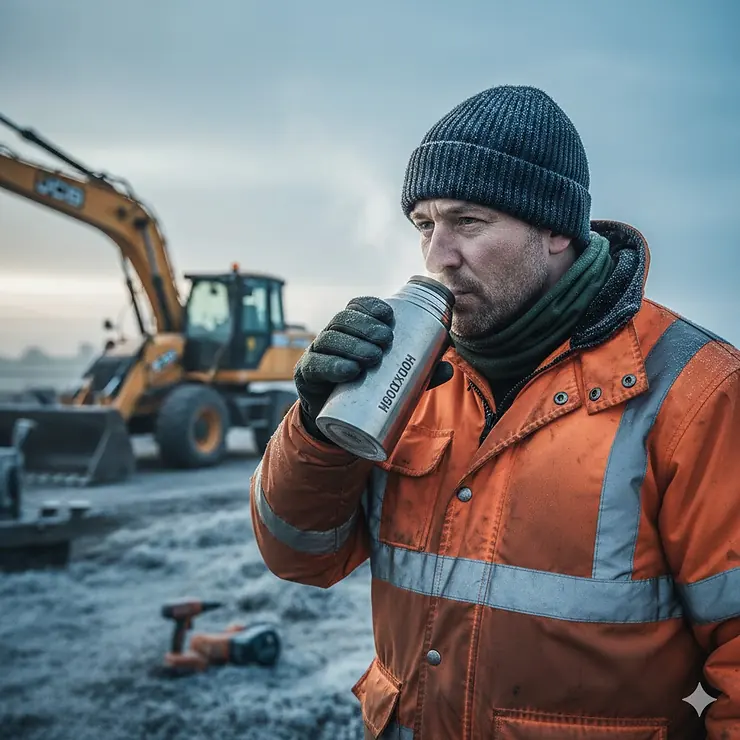
Picture this: it’s half-six on a January morning, frost coating your van’s windscreen, and you’ve got eight hours ahead on an exposed construction site in Sheffield. Sound familiar? If you work outdoors in the UK, you’ll know that our winters—whilst rarely reaching Arctic extremes—possess a bone-chilling dampness that penetrates even the thickest clothing.
The question of how to stay warm working outside in winter isn’t just about comfort; it’s about safety and productivity. According to the Health and Safety Executive, employers must maintain “reasonable” working temperatures and protect outdoor workers from adverse weather. When you’re cold, your concentration wavers, your dexterity diminishes, and the risk of accidents increases dramatically.
This comprehensive guide examines the latest innovations in outdoor workwear technology, from battery-powered heated jackets to advanced thermal layering systems. Whether you’re a scaffolder in Manchester, a groundworker in Cardiff, or a surveyor in Edinburgh, we’ll show you exactly how to stay warm working outside in winter without sacrificing mobility or safety. With UK outdoor temperatures averaging 2-7°C (36-45°F) throughout winter months, proper preparation isn’t optional—it’s essential for anyone asking themselves how to stay warm working outside in winter.
Quick Comparison Table: Top Winter Work Essentials
| Product Category | Price Range | Battery Life | Best For |
|---|---|---|---|
| Heated Jackets | £40-£130 | 4-16 hours | Core warmth, outdoor workers |
| Heated Gloves | £50-£90 | 3-8 hours | Construction, cold environments |
| Thermal Boots | £60-£150 | N/A | All-day outdoor work |
| Base Layers | £18-£35 | N/A | Foundation warmth, layering |
| Hand Warmers | £20-£40 | 6-24 hours | Pocket warmth, breaks |
| Thermal Socks | £13-£25 | N/A | Foot warmth, circulation |
| Balaclavas | £9-£25 | N/A | Face/neck protection |
💬 Just one click – help others make better buying decisions too!😊
Top 7 Products: Expert Analysis for UK Outdoor Workers
1. Venustas Heated Jacket – The All-Rounder
When it comes to figuring out how to stay warm working outside in winter, heated jackets represent a game-changing technology. The Venustas Heated Jacket sits at the forefront of this revolution, offering three strategically positioned carbon fibre heating zones across the back and chest areas.
Key Specifications:
- Battery capacity: 10,000mAh with 3 heat settings (40°C-60°C)
- Heating duration: 3-10 hours depending on setting
- Water-resistant outer shell with windproof design
UK customers consistently praise this jacket’s rapid heat-up time—reaching optimal temperature within 30 seconds. “Absolutely brilliant for early morning starts on site,” notes one verified Amazon.co.uk buyer. “Keeps me warm through my entire shift without needing a recharge.”
Price Range: £60-£90
✅ Pros: Fast heating, long battery life, machine washable
✅ Universal fit with adjustable cuffs
✅ Compatible with power bank charging
❌ Cons: Battery pack adds slight bulk
❌ Premium price point for budget-conscious workers
2. ORORO Classic Heated Jacket – Premium Performance
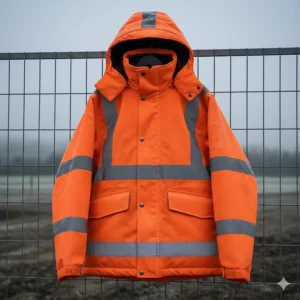
The ORORO Classic elevates the concept of how to stay warm working outside in winter with its four-zone heating system covering chest, collar, and back regions. This softshell design combines weather protection with sophisticated temperature control.
Key Specifications:
- 7.4V lithium battery with intelligent heat distribution
- Heating zones: 4 carbon fibre elements
- Temperature range: Low (38°C), Medium (45°C), High (55°C)
With up to 10 hours of warmth on the lowest setting, this jacket suits full-shift outdoor work. The Good Housekeeping Institute tested this model, confirming excellent heating performance throughout demanding work cycles. UK buyers appreciate the hook-and-loop battery pocket that prevents accidental disconnection during physical tasks.
Price Range: £80-£130
✅ Pros: Superior heat distribution, durable construction
✅ Machine washable (50+ wash cycles tested)
✅ Sleek professional appearance
❌ Cons: Higher price bracket
❌ Battery requires separate purchase on some models
3. Volt Heated 7V Leather Work Gloves – Hands-On Warmth
Understanding how to stay warm working outside in winter means protecting your extremities. The Volt Heated 7V Leather Work Gloves deliver comprehensive finger, thumb, and palm heating—crucial for maintaining dexterity in freezing conditions.
Key Specifications:
- Full-grain yellow leather construction
- 7.4V battery system with 4 heat levels
- Heating duration: 3-8 hours per charge
These gloves incorporate 120 grams of insulation alongside heated elements, ensuring warmth even when batteries deplete. The reinforced double-thick palm provides durability for tool handling, whilst the breathable waterproof membrane prevents moisture build-up during manual labour.
Price Range: £75-£95
✅ Pros: Complete hand coverage, excellent dexterity
✅ Display window shows battery level
✅ Genuine leather durability
❌ Cons: Requires break-in period
❌ Premium pricing
4. Timberland PRO Boondock 6″ Composite Toe Boots – Foundation Warmth
When considering how to stay warm working outside in winter, thermal boots form an essential foundation. The Timberland PRO Boondock features 600g PrimaLoft insulation—the sweet spot for UK winter conditions where temperatures hover between 0-10°C.
Key Specifications:
- Composite safety toe (warmer than steel)
- 600g insulation for active work
- Anti-fatigue comfort technology
The composite toe eliminates the cold-conducting properties of traditional steel caps—a critical consideration for outdoor workers. UK construction professionals report these boots maintain warmth during 8-12 hour shifts without causing overheating during physical activity.
Price Range: £120-£160
✅ Pros: Composite toe stays warm, exceptional traction
✅ Anti-fatigue technology reduces foot strain
✅ Waterproof construction
❌ Cons: Heavy compared to standard boots
❌ Break-in period required
5. VELTUFF Thermal Base Layer Set – The Hidden Hero
Mastering how to stay warm working outside in winter starts with proper foundation layers. The VELTUFF Thermal Base Layer Set employs TIGATHERM textile fabric that wicks moisture whilst trapping body heat—essential for UK’s damp winter climate.
Key Specifications:
- Complete set: long-sleeved top and leggings
- TIGATHERM moisture-wicking fabric
- Double-stitched construction for durability
This base layer system fits snugly beneath regular workwear without creating bulk that violates safety clothing regulations. UK outdoor workers appreciate how the fabric manages perspiration during physical tasks, preventing the clammy coldness that occurs with cotton undergarments.
Price Range: £25-£35
✅ Pros: Excellent moisture management
✅ Doesn’t add bulk under PPE
✅ Machine washable
❌ Cons: Requires correct sizing for effectiveness
❌ May feel tight initially
6. OCOOPA UT3 Rechargeable Hand Warmers (2-Pack) – Pocket Power
For workers seeking additional solutions for how to stay warm working outside in winter, rechargeable hand warmers provide supplementary heat during breaks. The OCOOPA UT3 offers intelligent temperature control across four heat settings, reaching up to 52°C.
Key Specifications:
- Dual-pack with 6,000mAh capacity each
- Heat duration: 4-9 hours depending on setting
- Compact design fits work gloves
These hand warmers slip easily into pockets or can be held during breaks, providing instant relief for cold-stressed hands. UK buyers report using them not only during rest periods but also tucking them into boots or jacket pockets for targeted warmth. Woman & Home magazine recently highlighted these warmers’ reliability through cold-water swimming tests and winter hikes.
Price Range: £22-£35
✅ Pros: Long battery life, rapid heating
✅ Dual-pack for both hands
✅ Compact and portable
❌ Cons: Requires regular charging
❌ Effectiveness reduces in extreme cold
7. Heat Holders Workforce Thermal Socks – Ground-Up Protection
Completing our guide on how to stay warm working outside in winter, thermal socks prevent heat loss through your feet—where cold typically begins. The Heat Holders Workforce socks feature advanced thermal yarn that provides 2.34 TOG rating, significantly higher than standard work socks.
Key Specifications:
- TOG rating: 2.34 (exceptional insulation)
- Reinforced heel and toe for durability
- Moisture-wicking properties
These socks incorporate brushed inner pile that traps warm air whilst remaining breathable enough for all-day wear. UK construction workers report maintaining warm feet throughout winter shifts, even when working in standing water or on frozen ground.
Price Range: £6-£15 per pair
✅ Pros: Excellent warmth-to-cost ratio
✅ Durable construction withstands work boots
✅ Available in bulk packs
❌ Cons: Thicker than regular socks
❌ May require larger boot size
✨ Don’t Miss These Exclusive Deals!
🔍 Take your winter workwear to the next level with these carefully selected products. Click on any highlighted item to check current pricing and availability on Amazon.co.uk. These solutions will help you conquer the cold and maintain productivity all season!
Understanding UK Winter Work Regulations
Before exploring how to stay warm working outside in winter, it’s crucial to understand your rights and your employer’s responsibilities. The Workplace (Health, Safety and Welfare) Regulations 1992 require employers to maintain “reasonable” temperatures, though outdoor work presents unique challenges.
What the Law Says
According to HSE guidance, indoor workplaces should maintain minimum temperatures of 16°C for sedentary work or 13°C for physically demanding tasks. However, there’s no specific minimum temperature for outdoor work. Instead, employers must conduct risk assessments under the Management of Health and Safety at Work Regulations 1999, identifying cold weather as a hazard and implementing appropriate control measures.
Employer Responsibilities
Your employer should provide suitable protective equipment, warm break facilities, hot beverages, and adjust work schedules during extreme cold. They must also train staff to recognise symptoms of cold stress, including numbness, reduced dexterity, and impaired judgement.
The Science of Layering: Smart Strategies for Outdoor Work
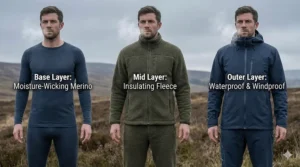
Understanding how to stay warm working outside in winter requires knowledge of proper layering techniques. The traditional “three-layer system” remains the gold standard for outdoor workers.
Base Layer: Moisture Management
Your base layer sits against skin, wicking perspiration away to prevent dampness. Materials like merino wool or synthetic fabrics excel here—avoid cotton, which retains moisture and creates a chilling effect. The VELTUFF thermal base layer exemplifies this category, using TIGATHERM fabric specifically designed for UK’s damp climate.
Mid Layer: Insulation
This layer traps warm air close to your body. Fleece, down, or synthetic insulation work brilliantly. Heated jackets like the Venustas or ORORO effectively replace traditional mid-layers whilst offering adjustable warmth—particularly valuable when transitioning between physical exertion and sedentary tasks.
Outer Layer: Weather Protection
Your shell layer blocks wind and precipitation. Look for breathable waterproof materials that allow moisture to escape whilst preventing external water ingress. Many heated jackets incorporate weather-resistant shells, providing both insulation and protection.
Advanced Heat Retention Technologies
Modern answers to how to stay warm working outside in winter incorporate cutting-edge technologies that previous generations couldn’t access.
Carbon Fibre Heating Elements
Unlike traditional wire heating, carbon fibre distributes warmth evenly whilst remaining flexible and durable. These elements, found in premium heated jackets and gloves, withstand the rigours of construction work without breaking or creating hot spots.
Battery Technology Improvements
Lithium-ion batteries now deliver longer runtime with reduced weight. The latest models offer 8-16 hours of heat on lower settings—sufficient for extended shifts. USB-C charging has standardised connectivity, allowing workers to charge gear from the same power banks that charge their mobile phones.
Moisture-Wicking Fabrics
Advanced synthetic materials actively pull perspiration away from skin, maintaining the dry microclimate essential for warmth. British winter’s high humidity makes this technology particularly valuable—traditional cotton undergarments simply can’t compete.
Protecting Extremities: Hands, Feet, and Face
When learning how to stay warm working outside in winter, remember that your body prioritises core temperature over extremities. Without adequate protection, hands and feet suffer first.
Hand Protection Strategies
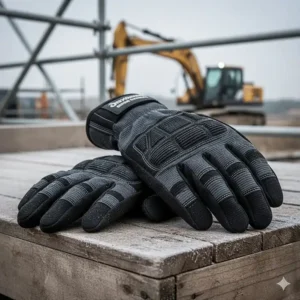
Heated gloves like the Volt 7V provide active warmth whilst maintaining the dexterity needed for tool use. For less extreme conditions, consider thermal glove liners beneath standard work gloves. Keep spare gloves in your vehicle—wet gloves lose insulating properties rapidly.
Foot Warmth Solutions
Boots with composite toes prevent the cold-conducting effect of steel caps. Combine insulated boots like the Timberland PRO Boondock with Heat Holders thermal socks. Ensure boots aren’t too tight—constricted circulation accelerates cold feet. Some workers place disposable heat packs in boot toe boxes for additional warmth.
Face and Neck Coverage
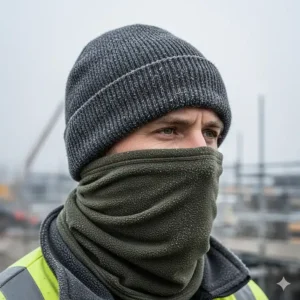
Thermal balaclavas protect exposed skin from windburn and heat loss. The TRIXES Thermal Balaclava (£9-£15) offers fleece-lined protection that fits comfortably under hard hats. Wind-chill significantly amplifies cold’s effects—covering your face prevents this multiplication factor.
Nutrition and Hydration for Cold Weather Work
Surprisingly, understanding how to stay warm working outside in winter extends beyond clothing. Your body requires additional fuel to maintain core temperature in cold conditions.
Caloric Requirements Increase
Working in cold weather can increase caloric needs by 10-40% compared to temperate conditions. Your body burns extra energy generating heat whilst your muscles work harder when bundled in protective clothing. Pack calorie-dense snacks like nuts, chocolate, and energy bars.
Hydration Remains Critical
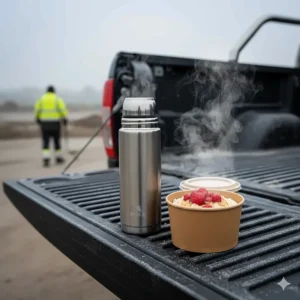
Cold weather suppresses thirst sensation, but dehydration still occurs—especially when wearing multiple layers. Dehydration actually reduces your body’s ability to maintain temperature. Bring insulated flasks with hot tea, coffee, or soup. The HSE specifically recommends providing hot beverages for outdoor workers.
Meal Timing Matters
Eating smaller, more frequent meals maintains steady energy levels and heat generation. Large meals divert blood flow to digestion, temporarily reducing warmth to extremities. Consider eating every 2-3 hours during outdoor work.
Recognising and Preventing Cold Stress
Knowing how to stay warm working outside in winter includes understanding when cold becomes dangerous. Cold stress ranges from mild discomfort to life-threatening conditions.
Early Warning Signs
Initial symptoms include shivering, reduced coordination, slurred speech, and confusion. If you or colleagues exhibit these signs, move to a warm environment immediately and remove wet clothing. Don’t ignore persistent shivering—it indicates your body’s temperature regulation is struggling.
Frostbite Risk
Exposed skin can freeze in minutes when temperatures drop below -15°C with wind chill. Fingers, toes, ears, and nose face highest risk. Frostbite appears as pale, waxy skin that feels numb. Severe cases require immediate medical attention.
Hypothermia Prevention
Core temperature dropping below 35°C constitutes hypothermia. Advanced symptoms include intense shivering followed by cessation of shivering, drowsiness, and loss of consciousness. Prevention through proper clothing and regular warm-up breaks remains far easier than treating hypothermia.
Comparison: Traditional vs. Heated Workwear
| Feature | Traditional Layers | Heated Workwear |
|---|---|---|
| Initial Cost | £50-£100 | £100-£250 |
| Adjustability | Fixed warmth | Variable heat settings |
| Weight | Can be bulky | Generally lighter |
| Maintenance | Standard washing | Battery care required |
| Effective Range | 0-10°C | -20 to 10°C |
| Mobility | May restrict movement | Designed for flexibility |
Seasonal Preparation and Maintenance
Mastering how to stay warm working outside in winter requires preparation before temperatures drop.
Pre-Winter Equipment Check
Before winter arrives, inspect all cold-weather gear. Check heated clothing batteries—lithium-ion batteries lose capacity over time. Test heating elements to ensure even warmth distribution. Waterproof your boots annually and replace worn thermal socks.
Storage Best Practices
Store heated clothing with batteries removed and partially charged (40-60% capacity preserves lithium-ion longevity). Keep thermal garments in dry locations—damp storage encourages mould and reduces insulating properties.
Mid-Season Maintenance
Regularly wash thermal base layers to maintain moisture-wicking effectiveness. Clean heated jacket heating zones according to manufacturer instructions—usually involving battery removal and gentle machine washing. Inspect gloves for tears that compromise insulation.
Cost-Benefit Analysis: Investing in Quality Winter Gear
When determining how to stay warm working outside in winter, weighing initial investment against long-term value proves crucial.
Budget Options (£100-£200 total)
Basic thermal layers, standard insulated boots, and traditional gloves provide adequate warmth for moderate UK winters. Suitable for workers with occasional outdoor exposure or mild regional climates.
Mid-Range Investment (£300-£500 total)
Incorporating one heated item (jacket or gloves), quality boots, and comprehensive layering system. Recommended for regular outdoor workers facing typical UK winter conditions.
Premium Setup (£600-£800 total)
Complete heated workwear system including jacket and gloves, top-tier boots, advanced base layers, and accessories. Essential for daily outdoor work in exposed locations or particularly cold regions of Scotland and Northern England.
💡 Smart Shopping Tip
Many heated clothing manufacturers offer Black Friday and Boxing Day sales with 20-40% discounts. Purchase winter gear during late summer when demand (and prices) remain lower.
Regional Considerations Across the UK
How to stay warm working outside in winter varies significantly between UK regions.
Scotland and Northern England
Expect prolonged sub-zero temperatures and significant wind chill. Prioritise heated jackets with extended battery life (10+ hours) and composite-toe boots rated for extreme cold. Wind-resistant outer layers become essential.
Midlands and Wales
More moderate temperatures but high precipitation. Focus on waterproof-breathable shells and moisture-wicking base layers. Standard insulated boots suffice, but ensure waterproof certification.
Southern England and London
Milder but damp conditions. Layering flexibility matters more than extreme cold protection. Mid-weight base layers and water-resistant (rather than fully waterproof) outer shells often prove sufficient.
FAQ: Your Winter Work Questions Answered
❓ Can heated clothing be worn under hi-vis jackets?
❓ How long do rechargeable hand warmers stay warm on a building site?
❓ Are thermal base layers suitable for physically demanding work?
❓ What's the minimum temperature legally required for outdoor work in the UK?
❓ Do heated gloves work with standard work gloves as liners?
Conclusion: Taking Control of Winter Comfort
Understanding how to stay warm working outside in winter transforms from challenging obligation into manageable routine with proper preparation. The combination of advanced heated clothing technology, strategic layering, and awareness of cold stress symptoms empowers UK outdoor workers to maintain both comfort and productivity throughout winter months.
Remember that how to stay warm working outside in winter isn’t solely about purchasing expensive gear—it encompasses smart layering, proper nutrition, regular movement, and knowing when conditions become unsafe. The seven products examined in this guide represent proven solutions used by thousands of British outdoor workers daily.
Whether you’re a seasoned professional who’s weathered decades of UK winters or a newcomer to outdoor work, investing in quality cold-weather gear pays dividends through improved comfort, enhanced safety, and sustained productivity. Start with foundational items like thermal base layers and insulated boots, then progressively add heated technology as budget permits.
Winter work needn’t mean suffering through frozen fingers and numbing cold. Armed with knowledge, proper equipment, and attention to your body’s signals, you’ll conquer even the harshest British winter whilst staying warm, safe, and effective on the job.
Recommended for You
- 7 Best Heated Clothing UK 2026 | Expert Buying Guide
- 7 Best Heated Neck Warmer for Outdoor Work UK 2026 (Expert Tested)
- 7 Best Heated Beanie Hat Options for UK Winter 2026
Disclaimer: This article contains affiliate links. If you purchase products through these links, we may earn a small commission at no additional cost to you. Prices shown are approximate and may vary.
✨ Found this helpful? Share it with your mates! 💬🤗
